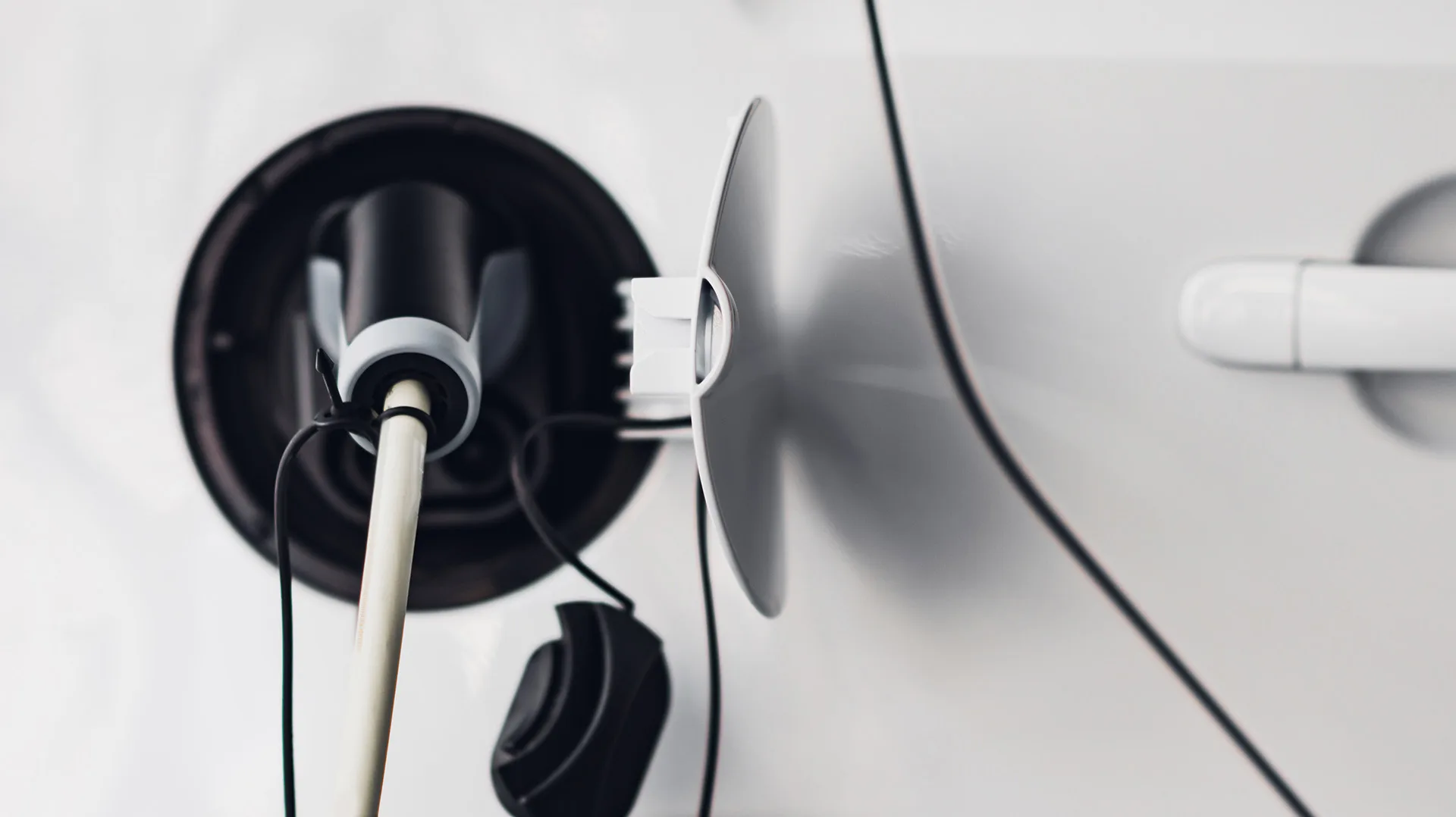
Electric vehicle adoption in Utah is accelerating, and home charging infrastructure is essential. While public charging networks exist, most EV owners charge overnight at home. Installing a Level 2 charger takes advantage of your home's electrical system and saves thousands compared to relying on public stations.
Permit reality check
EV charger circuits require a permit and inspection in every Wasatch Front city we work in. A quote that skips the permit isn't cheaper — it's a problem you'll find at home-sale time.
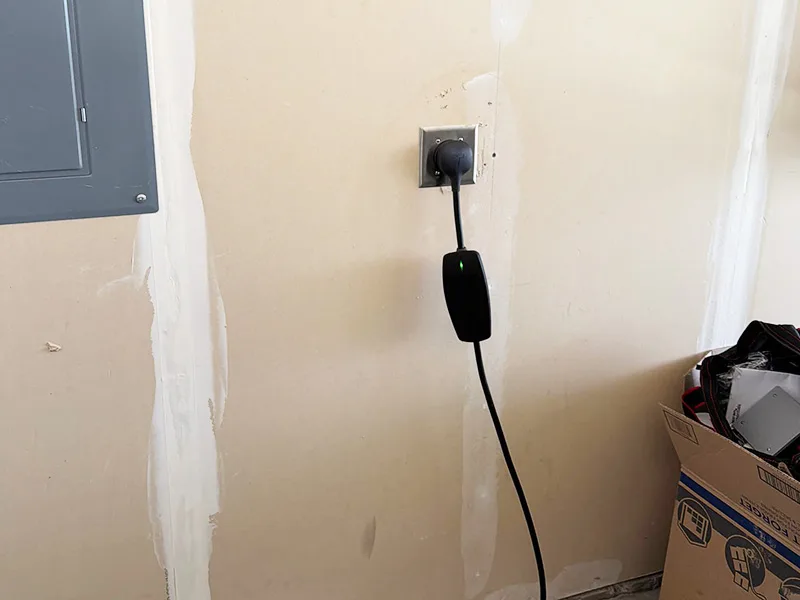
Level 1 vs. Level 2 Chargers—Level 1 uses a standard 120V outlet (the one in your garage); it charges 3-5 miles per hour of charging. Convenient but impractical for daily use. Level 2 uses 240V (like your dryer outlet) and charges 25-30 miles per hour of charging. You can add 200+ miles overnight. Level 2 is the home charging standard.
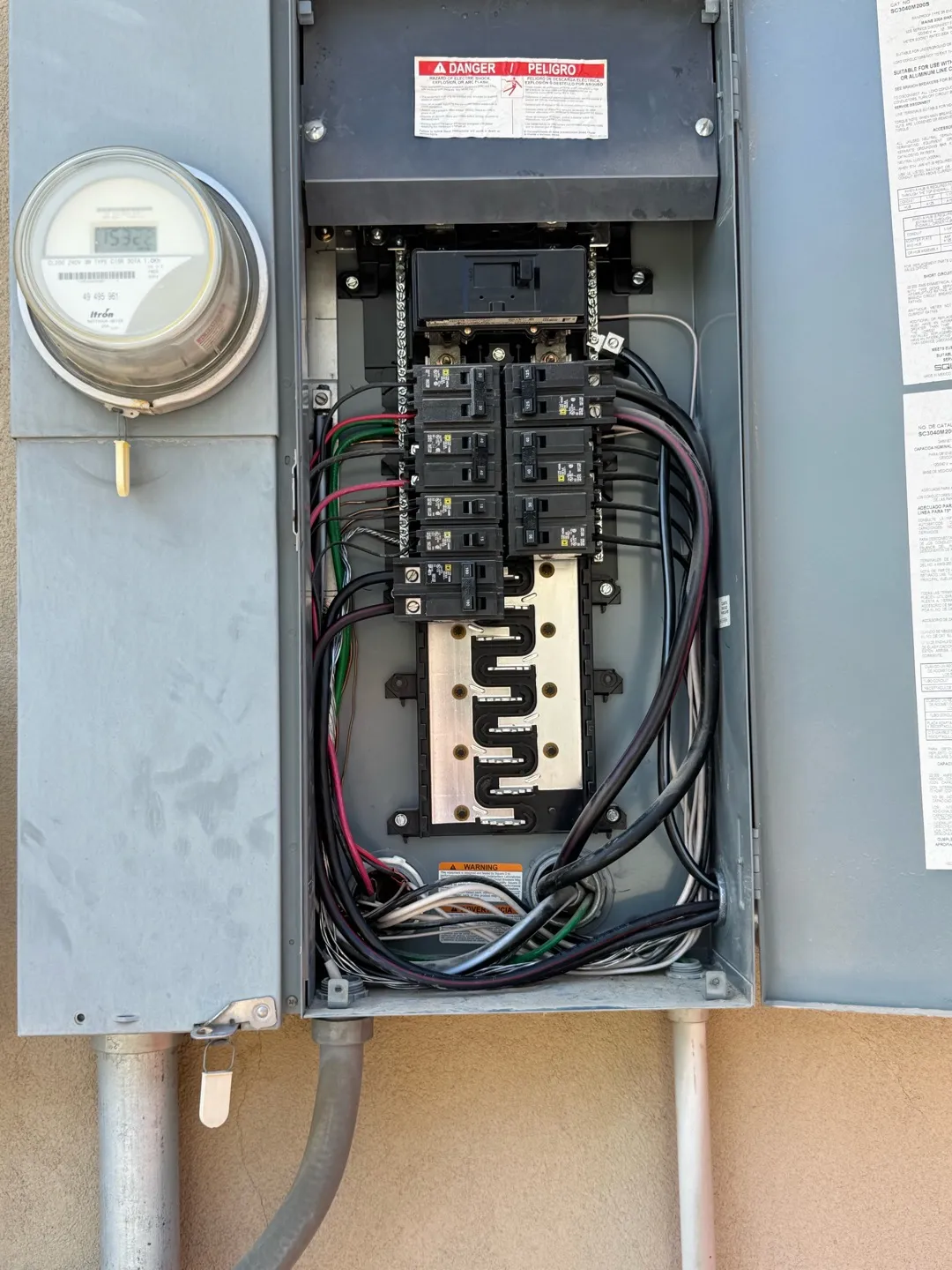
Installation Requirements—Installing a Level 2 charger requires a dedicated 40-60 amp circuit (most EVs recommend 48A), 240V service (your panel must have capacity), proper conduit and wiring from the panel to the charger location, an appropriate mounting location (garage wall, post, or pedestal), and an electrical permit. An older home with 100A service may need a panel upgrade first.
Popular Home EV Charger Brands—Tesla Supercharger (Wall Connector): works with Tesla vehicles and other EVs via adapters. Chevrolet Equinox EVs and others come with portable Level 1/Level 2 chargers. Third-party brands like Wallbox, Eaton, ABB, and ChargePoint offer smart chargers with app control and load balancing.
Smart Chargers and Load Balancing—Modern smart chargers integrate with your home's energy usage. If you're running the air conditioner and water heater simultaneously, the charger intelligently reduces charging speed to prevent panel overload. Some chargers schedule charging during off-peak utility hours to save money. Smart chargers cost $500-$1,200.
Utah Electrical Code and Permits—Level 2 chargers require a permit and inspection by a licensed electrician. Utah follows the National Electrical Code (NEC), which specifies wire size, circuit protection, grounding, and conduit requirements. Unpermitted charger installation: voids home warranty, creates liability, fails inspections, and may violate building codes.
Installation Cost Breakdown—The charger itself costs $300-$1,000 depending on features. Installation labor runs $500-$1,500 depending on distance from panel and wall condition. Permits cost $75-$150. If your panel needs an upgrade, add $3,000-$6,000. Total: $800-$8,500 depending on site conditions and your existing electrical service.
Rebates—Some utility companies offer rebates for EV charger installation (check Rocky Mountain Power and municipal providers). These incentives can help reduce the net installation cost.
Charging Time and Overnight Planning—A Level 2 charger adds 200+ miles in 8-10 hours. For most Utah EV owners, this covers daily driving (average 30-40 miles per day). Road trips require public fast charging. Plan overnight charging to take advantage of lower electrical rates and battery thermal management during cooler nighttime hours.
If you own or are planning to buy an EV, home charging is a smart investment. Schedule an electrical assessment to evaluate your panel capacity and charger installation options.
Related Electrical services
Need Help With This?
Our team is ready to help with expert electrical services across Utah.