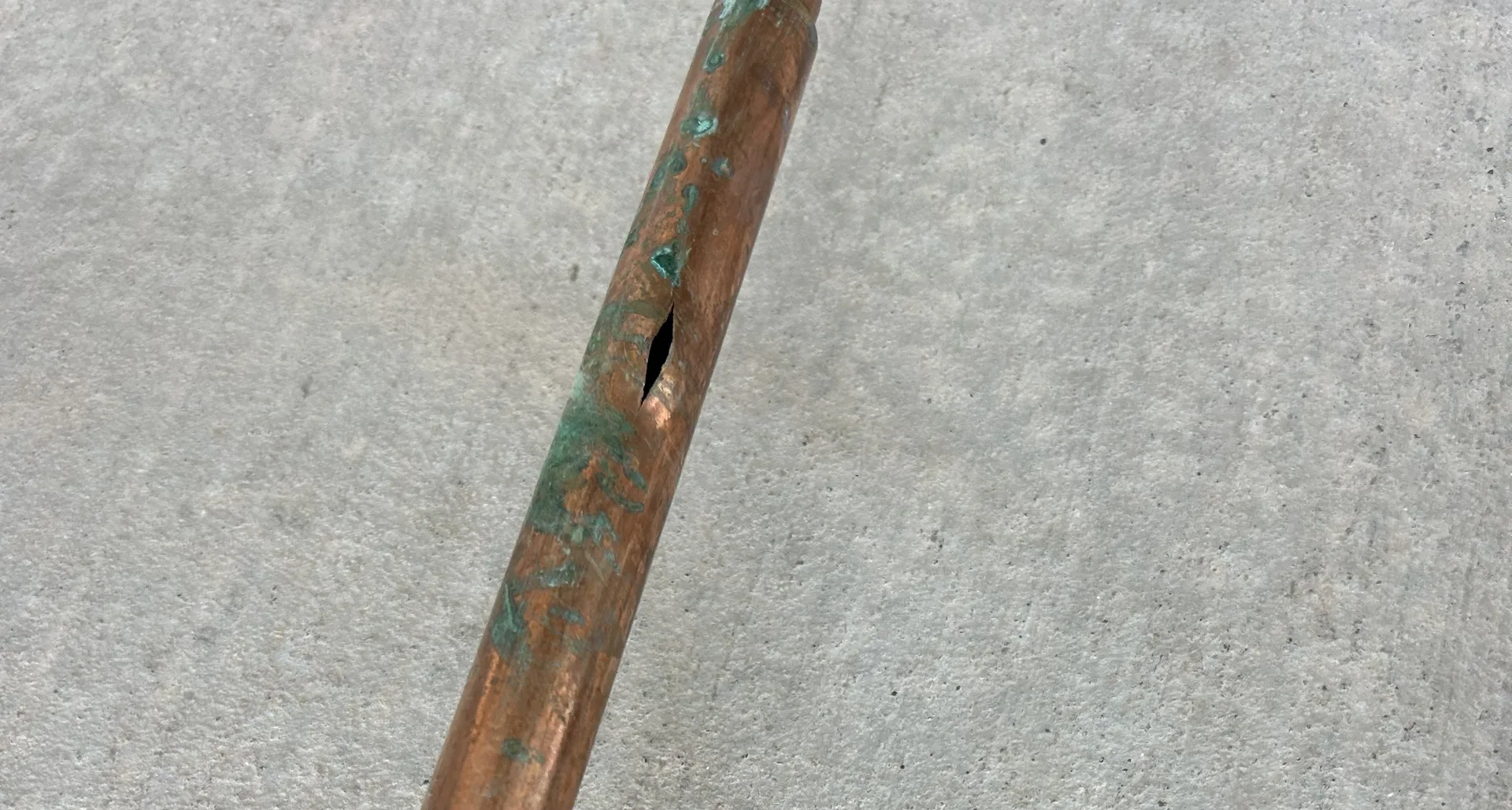
Utah winters bring temperatures regularly below 20°F, and at higher elevations, -10°F and lower are common. Frozen pipes don't just stop water flow—they rupture, causing massive water damage and expensive repairs. Prevention is far easier than dealing with a burst pipe in a wall.
The 20°F rule
When overnight lows drop below 20°F: open cabinet doors under sinks on exterior walls, let the farthest faucet drip, and keep the garage door closed if supply lines run through it.
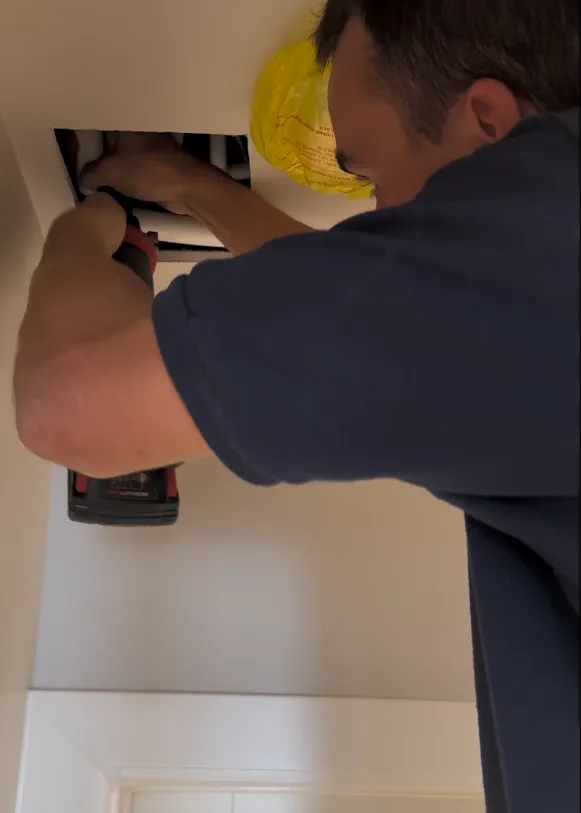
Understand the Risk — Water freezes at 32°F, but pipes in unheated spaces (attics, crawl spaces, basements, exterior walls) freeze faster. Homes built before 1990 often have pipes in these locations with minimal insulation. Older mobile homes and vacation cabins are highest risk. Homes above 7,000 feet elevation are at extreme risk from mid-November through March.
Insulation is Essential — Wrap all exposed pipes with foam pipe insulation (the foam tubes with a slit down the side, cost $0.50-$2 per foot). Focus on: pipes in unheated basements, water lines entering from outside, pipes running along exterior walls, pipes in attics, and any pipes you can see that aren't in heated spaces. Pipe insulation reduces freeze risk by 80%.
Seal Air Leaks Around Pipes — Cold air flowing around pipes accelerates freezing. Seal openings where pipes enter walls or foundations using weatherstripping, caulk, or expanding foam. Check the basement for gaps around rim joists and electrical penetrations. An air leak in an otherwise insulated basement can create a freeze point at a pipe.
Keep Cabinet Doors Open — Cabinet doors under kitchen and bathroom sinks trap cold air and allow pipes to freeze. On cold nights, open these doors to allow warm room air to reach pipes. It's a simple, free step that prevents many freeze incidents in kitchens and bathrooms.
The Drip Method — On nights when temperatures drop below 20°F, let faucets drip slightly. A steady, visible drip (not a huge stream, just a pencil-thin stream) keeps water moving, which prevents freezing. Running water, even slowly, won't freeze as easily as static water. Apply this to both hot and cold water lines, inside and outside your home.
Heat Tape for High-Risk Areas — Electric heat tape (also called heating cable) wraps around exposed pipes and warms them. It costs $15-$50 per unit and requires an electrical outlet. Install it on pipes that have frozen before or are in extreme risk areas. Plug it in before cold snaps and during the coldest months.
Maintain Basement Temperature — Basements below 55°F are susceptible to frozen pipes. Keep basement doors open to main living areas so warm air circulates. If you have a basement heater or heat tape, keep it on during winter. The cost of running a small heater is negligible compared to frozen pipe repairs.
If Pipes Do Freeze — If you lose water pressure, a pipe has likely frozen. Turn off the main water shut-off immediately to prevent damage if the pipe ruptures. Open all faucets to relieve pressure. Call a licensed plumber to safely thaw the frozen section using heat guns or by running water (never use open flame). If you smell gas or water, call 911.
Frozen pipes are preventable through simple preparation. Spend $100-$300 on insulation and prevention now; avoid $3,000-$10,000 in water damage repair later.
Related Plumbing services
Need Help With This?
Our team is ready to help with expert plumbing services across Utah.