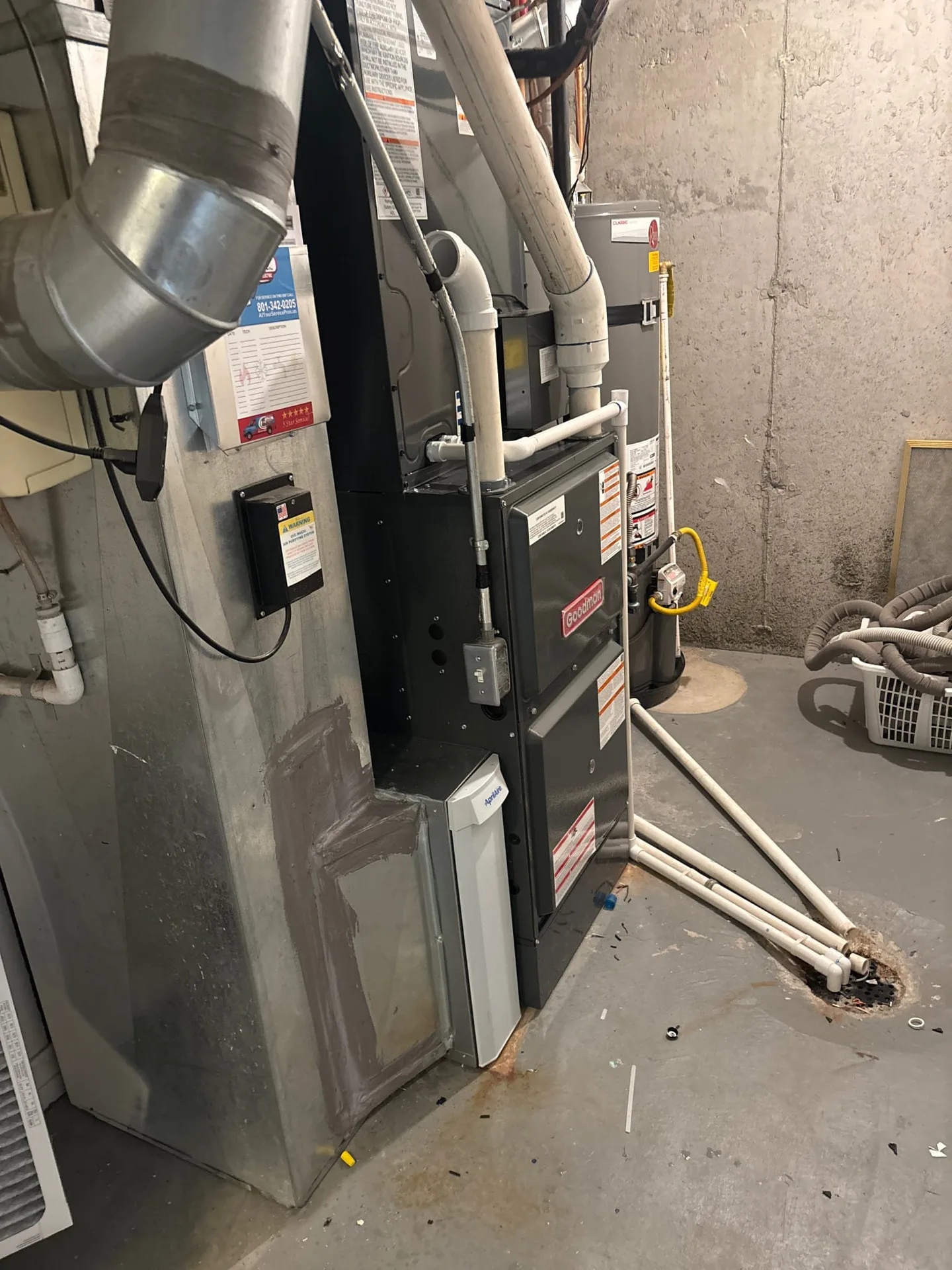
A furnace that won't turn on is a serious problem, especially during Utah's cold winters. The challenge is that there are multiple systems working together, and a failure in any one of them can prevent your furnace from starting. Understanding the most common causes can help you troubleshoot the issue before calling for service.
Before you call anyone
Check the thermostat batteries, the furnace switch (looks like a light switch near the unit), the breaker, and the filter. Those four fix a surprising share of 'dead furnace' calls — free.
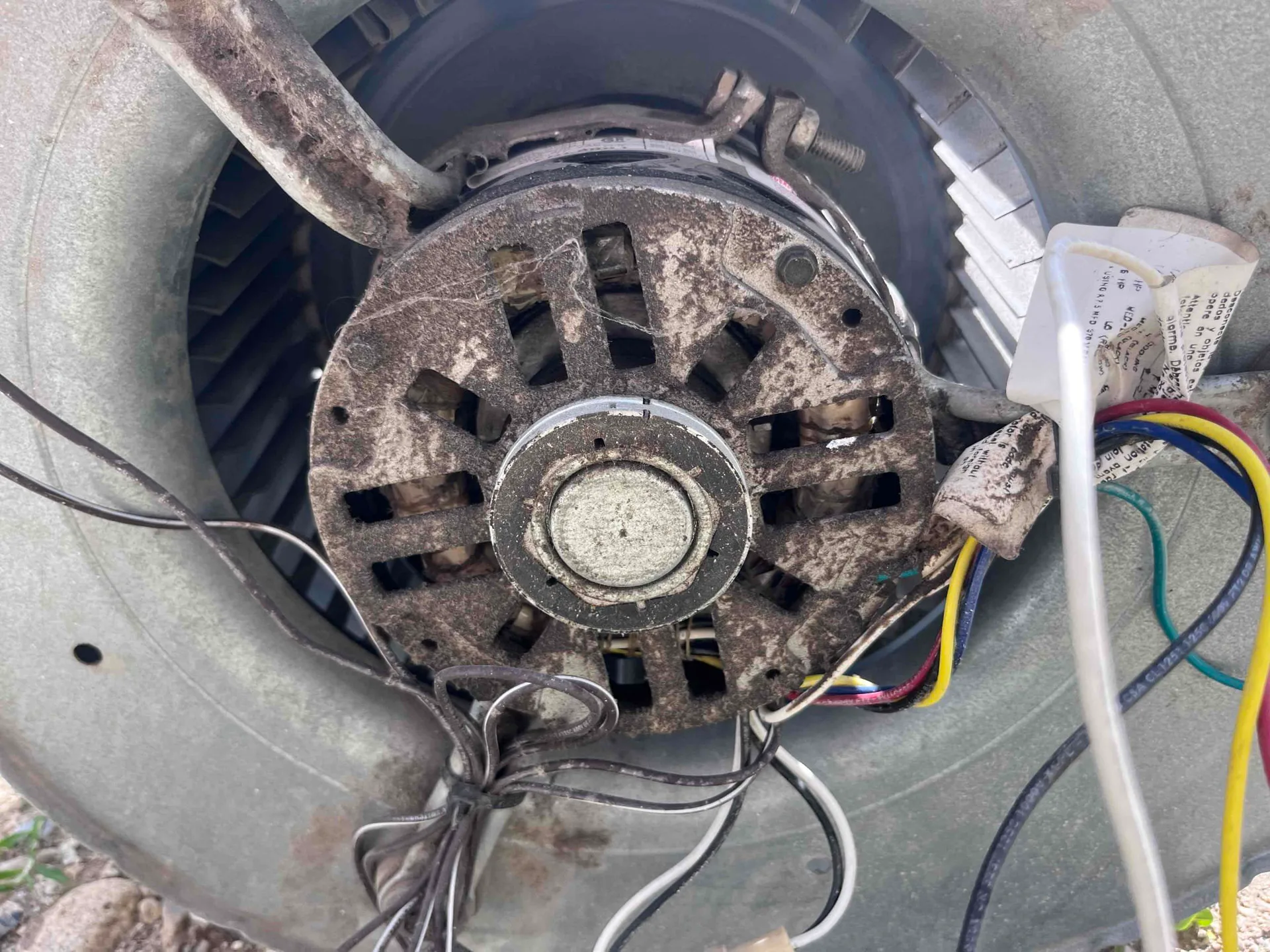
1. Thermostat Issues — This is the #1 reason furnaces don't turn on. Check if your thermostat is set to "Heat" mode (not "Cool" or "Off"). Verify the temperature setting is higher than the current room temperature. Try replacing the batteries if your thermostat is battery-operated. If it's hardwired, check that the breaker hasn't tripped.
2. Tripped Circuit Breaker — Furnaces draw significant electrical current, especially during startup. Look at your electrical panel and check for any breakers in the "Off" or middle position. If the furnace breaker has tripped repeatedly, there may be an electrical short or overload that requires professional diagnosis.
3. Dirty Air Filter — A completely clogged air filter can restrict airflow enough to trigger a safety shutdown. Most furnaces have a bypass valve that closes the damper if airflow drops too low. Check and replace your filter if it's dark gray or black. Filters should be replaced every 30-90 days during heating season.
4. Ignition System Failure — Modern furnaces use either hot-surface igniters (that glow orange) or spark igniters (that produce an arc). If your igniter has burned out or cracked, the furnace won't light the burner. This is one of the most common repair needs on furnaces 10-15 years old. A new igniter typically costs $200-$400 installed.
5. Flame Sensor Problem — The flame sensor tells your furnace that the burner has ignited. If it's dirty, misaligned, or malfunctioning, the furnace lights briefly then shuts down for safety. A certified technician can clean or replace the sensor. This is a quick, inexpensive repair that solves many furnace starting issues.
6. Gas Supply Issue — Confirm that your gas valve is open (if you have a manual shut-off). Check if you smell gas near the furnace or meter, which could indicate a leak requiring immediate professional attention. If you're on propane, verify that your tank isn't empty, especially if it's mid-winter and demand is high.
7. Clogged Condensate Drain — High-efficiency furnaces (95% AFUE) produce condensation that drains away. If the drain line is blocked, the furnace shuts down to prevent water damage. Check for standing water in the condensate pan under your furnace. A simple cleaning often fixes this problem.
8. Limit Switch or Safety Shutoff Activated — Furnaces have limit switches that shut down heating if the plenum overheats, and draft switches that confirm proper venting. If these sensors detect a problem, the furnace won't turn on. This is a safety feature, so have a professional diagnose why it's activating.
9. Control Board Malfunction — The circuit board that controls your furnace is sophisticated and can fail. Control board issues are less common but are expensive to replace. If your furnace won't respond to thermostat commands and you've ruled out the above issues, a technician should test the control board.
If your furnace won't turn on and you've checked the thermostat and breaker, don't delay. Heating failures in Utah's winter can damage pipes and make your home unlivable. Schedule a diagnostic service and let our technicians pinpoint the exact cause and get your heat back quickly.
Related HVAC services
Need Help With This?
Our team is ready to help with expert hvac services across Utah.