Power outages in Utah are rare but can last for days due to winter storms or grid issues. A home generator provides backup power, keeping heating, essential circuits, refrigeration, and medical devices running during an outage. Choosing the right generator requires understanding your needs and options.
Sizing shortcut
Add up what you can't lose: furnace blower (~800W), fridge (~700W), sump pump (~1,000W), lights and Wi-Fi (~500W). Most Utah homes land at 7–12kW for essentials, 18kW+ for whole-home.
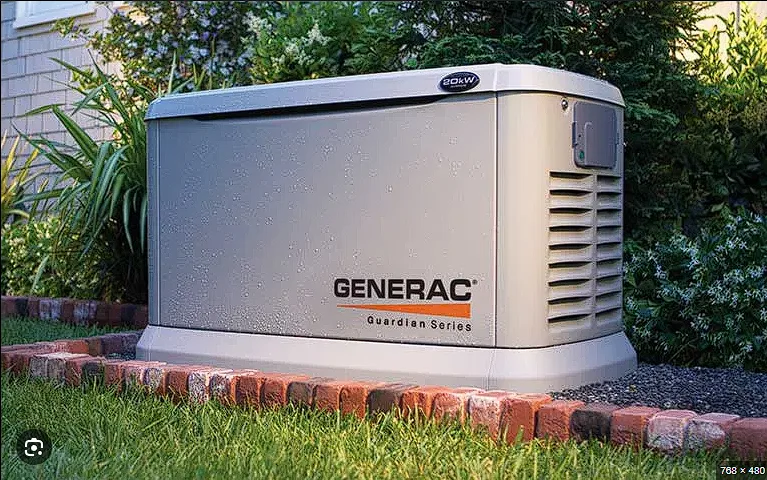
A standby generator installation by our teamStandby Generators — Permanently installed, permanently connected to your home's electrical panel and fuel supply (natural gas or propane). They automatically start when power is lost and switch your home to generator power. They power your entire home (or critical circuits if limited capacity) continuously. Cost: $5,000-$15,000 installed depending on size.
Portable Generators — Gasoline-powered, portable units you connect to appliances via extension cords or a manual transfer switch. They run only when you start them and as long as you have fuel. Can power some circuits but not whole-home. Cost: $500-$3,000 depending on capacity.
Fuel Considerations — Standby generators run on natural gas (unlimited supply during outages) or propane (requires regular tank refills). Portable generators use gasoline, which degrades over time and requires replacement. Natural gas standby generators are ideal if your home is on gas service; propane is good if you have a tank. Gasoline portables are best as backup backup systems.
Sizing Your Generator — Undersized generators strain appliances and may fail to start large loads. Oversized generators waste fuel and cost more than necessary. Start with your panel's amp rating: a 100A panel needs 20-25 kW. A 200A panel needs 40-50 kW. Better: list critical circuits (heating, water, lights, refrigerator) and calculate actual needs.
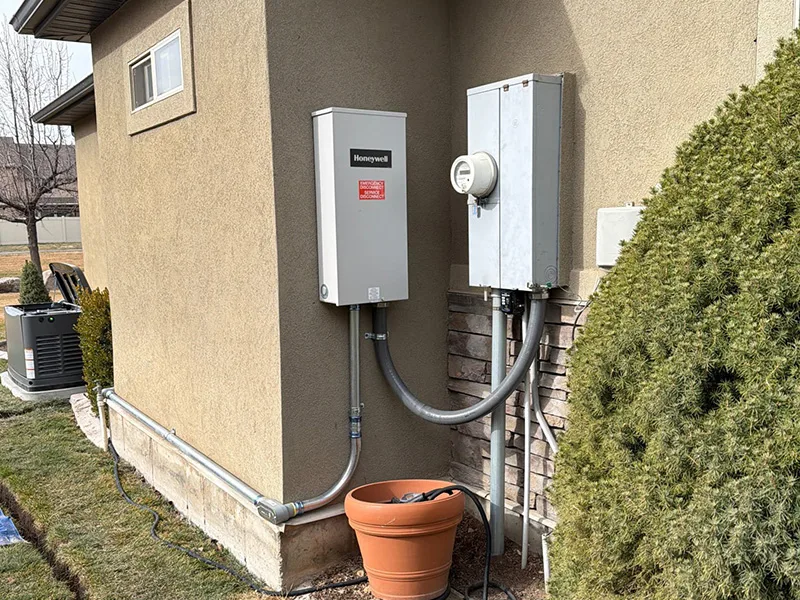
Standby Generator Installation — Installation requires: a concrete pad foundation, fuel line (gas or propane) installation, electrical connection to your panel via an automatic transfer switch, exhaust venting, and permits. Professional installation typically takes 1-2 days. Cost: $1,000-$3,000 for installation labor.
Automatic Transfer Switch — This critical component automatically detects a power outage, stops the utility supply to your panel, starts the generator, and powers your home. When utility power returns, it shuts down the generator and reconnects utility power. It prevents dangerous backfeeding (sending generator power into utility lines where lineworkers might be). Cost: $500-$1,500 installed.
Utah-Specific Considerations — Winter storms can cause multi-day outages; you need fuel supply strategy (gas stations may close during storms). If you're at high elevation, natural gas generators may have reduced output. Propane standby systems are popular in Utah because propane tanks can be filled in advance and stored on-site.
Maintenance — Standby generators require annual service (start test, fuel system inspection, oil change). Portable generators need fuel stabilization if stored long-term and should be run under load monthly to maintain carburetor health. Neglected generators fail when you need them most.
Cost Analysis — A 20 kW natural gas standby generator with transfer switch and installation costs $6,000-$10,000. If outages average 1-2 times yearly for 12 hours, you're protecting $30,000-$50,000 in frozen food, water heating, and heating fuel. For most Utah homes, it's justified peace of mind.
Utah's power grid is generally reliable, but multi-day winter outages do occur. A standby generator is increasingly valuable as a backup to unreliable grid and weather disruptions. Schedule a consultation to evaluate your backup power options.