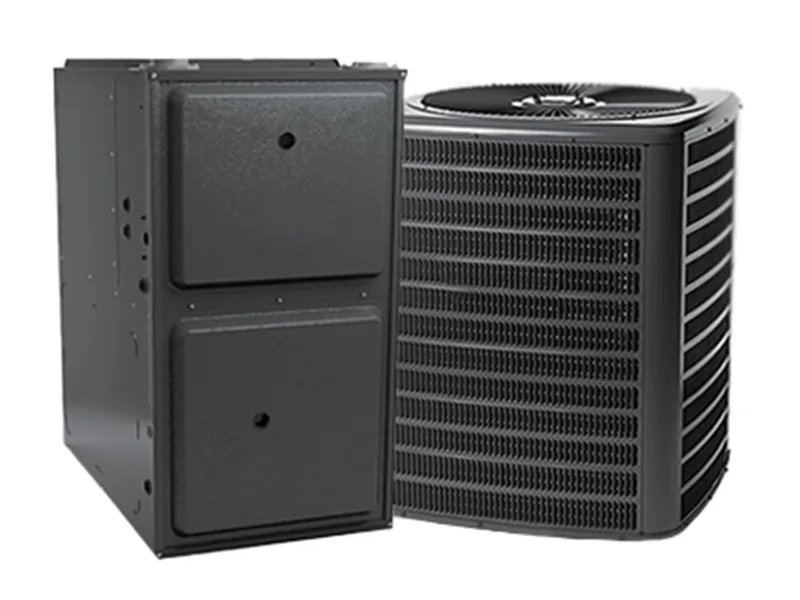
If you're replacing your heating system in Utah, you're probably comparing heat pumps and furnaces. Both are excellent choices in our climate, but they work differently and have distinct advantages and drawbacks. The right choice depends on your home's condition, your budget, and your long-term plans.
Don't forget the rebates
Rocky Mountain Power's wattsmart program currently pays up to $2,000 on qualifying heat pumps — and we file the paperwork for you. That can close most of the upfront price gap with a gas furnace.
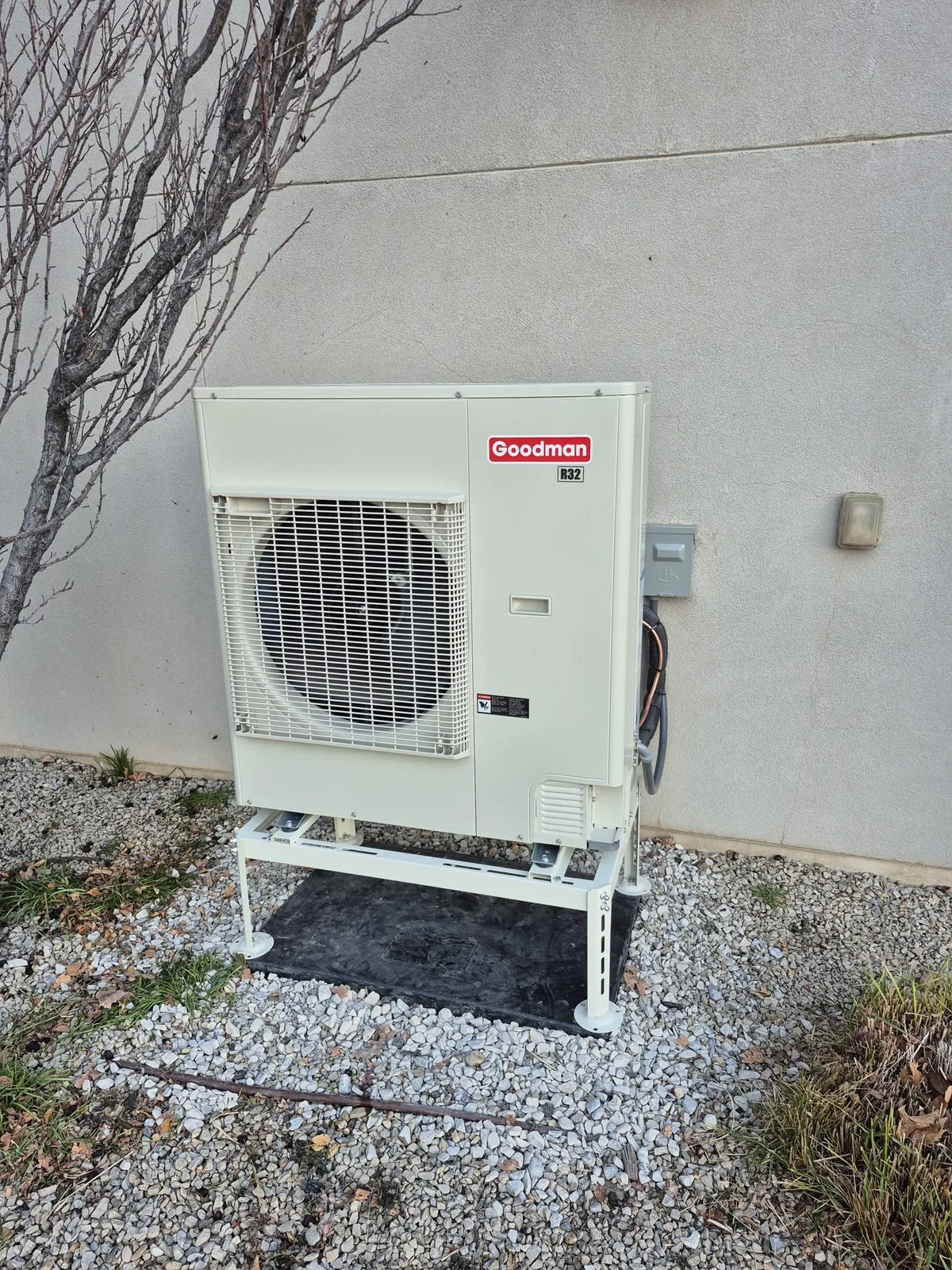
How They Work — A furnace burns natural gas (or uses electricity) to generate heat, which is distributed through your ductwork. A heat pump is essentially an air conditioner running in reverse: it extracts heat from outdoor air and moves it into your home. Yes, there's usable heat in cold air; modern heat pumps can extract it down to -13°F.
Upfront Cost — A furnace is cheaper to install, typically $3,000-$5,000 for a mid-efficiency unit (96% AFUE). A heat pump costs more, around $5,000-$8,000, because it replaces both your furnace and air conditioner. However, if your AC unit is also old and needs replacement, the total cost difference narrows significantly.
Operating Costs — A heat pump is 200-300% efficient (in heating terms, called COP or Coefficient of Performance), meaning it delivers 2-3 units of heat for every unit of electricity consumed. A gas furnace maxes out at 96% efficiency. Over 15 years, a heat pump typically costs $1,500-$3,000 less to operate than a gas furnace in Utah.
Utah Winter Performance — Utah's winter climate is actually ideal for heat pumps. Our average January low in the Wasatch Front is around 22°F. Modern cold-climate heat pumps operate efficiently down to 5°F and continue running to -13°F. For the handful of nights when it gets colder, many systems include a backup electric heat strip or can be paired with your existing gas furnace (dual-fuel setup).
Lifespan and Maintenance — Gas furnaces last 15-20 years and require annual tune-ups. Heat pumps last 15-20 years as well, but many models boast lower maintenance needs. No gas combustion means no need for annual inspections, no risk of carbon monoxide issues, and no chimney/venting concerns. Both systems need filter changes and annual professional service.
Environmental and Health Factors — Heat pumps produce zero on-site emissions. Furnaces burn fossil fuel. If air quality and carbon footprint matter to you, heat pumps are the clear winner. Additionally, furnaces pose a carbon monoxide risk if the heat exchanger cracks; heat pumps have no combustion products.
The Rebate Question — Utah utility rebate programs support heat pump installations — Rocky Mountain Power and Dominion Energy both offer rebates for high-efficiency systems. These incentives can reduce your net cost significantly.
Which Is Right for You? — Choose a furnace if: your AC already works well, you prefer lower upfront costs, you have ductwork in excellent condition, or you plan to move within 7-10 years. Choose a heat pump if: your AC is old, operating costs matter, you're in Utah for the long term, you want the best efficiency, or you value low maintenance and environmental benefits.
The best way to decide is a Manual J load calculation specific to your home, which shows exactly how much heating and cooling capacity you need. We can help you evaluate both options with real cost projections for your home.
Related HVAC services
Need Help With This?
Our team is ready to help with expert hvac services across Utah.