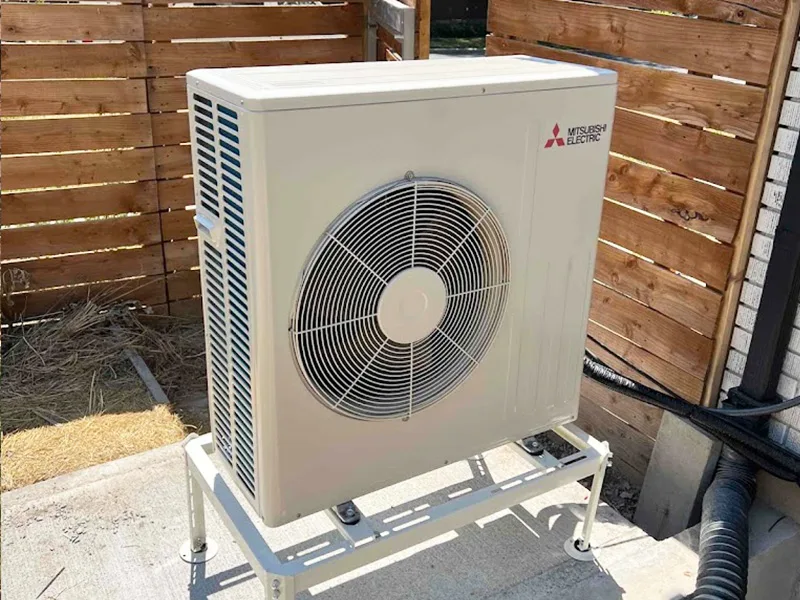
Heat pumps have a reputation problem in cold climates. For decades, the advice was simple: if you live somewhere with real winters, get a furnace. But modern cold-climate heat pumps have changed the equation significantly.
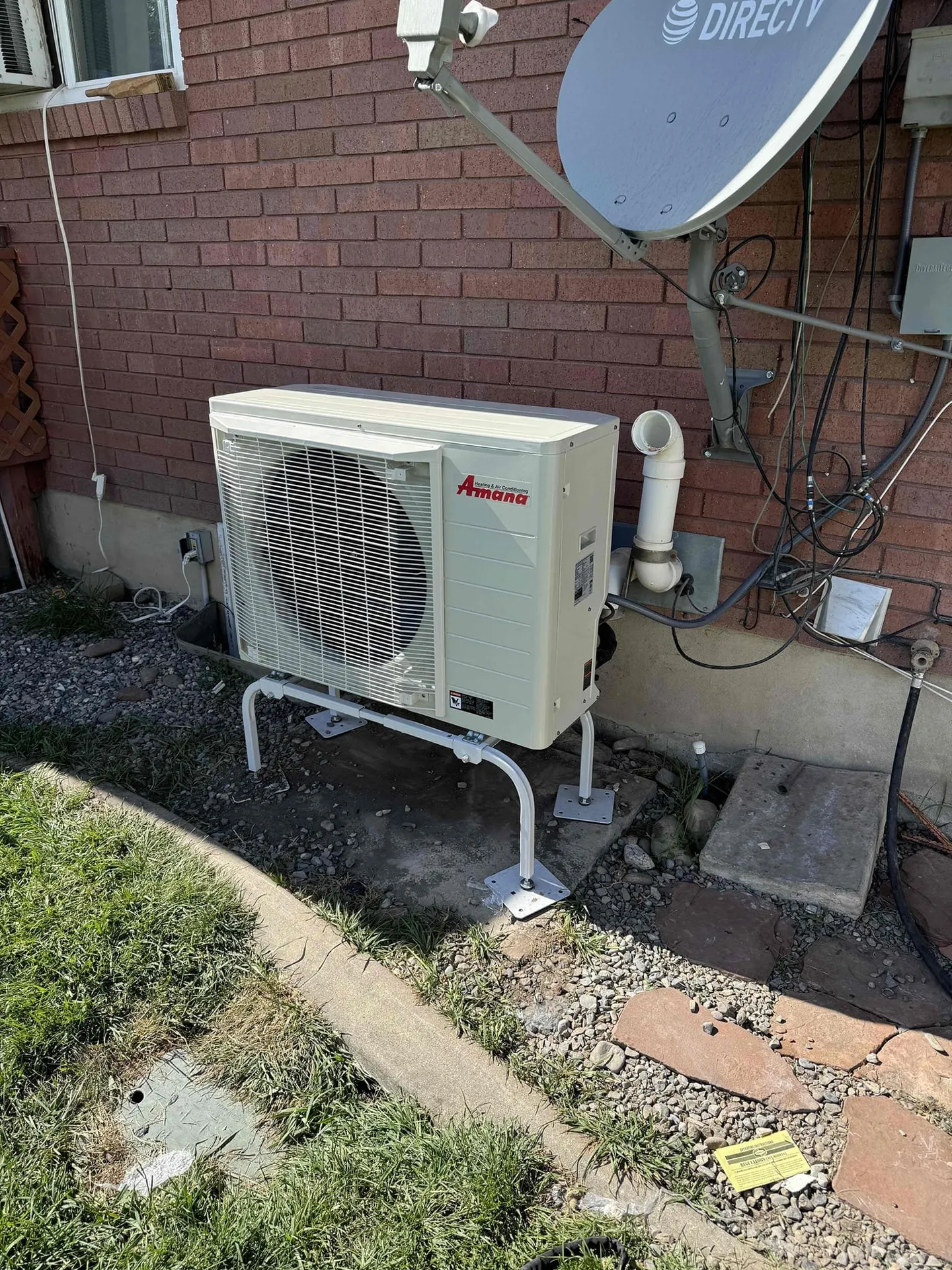
How Heat Pumps Work — A heat pump is essentially an air conditioner that can run in reverse. In summer, it moves heat out of your home (cooling). In winter, it extracts heat from outdoor air and moves it inside (heating). Yes, there’s usable heat in cold outdoor air — modern heat pumps can extract it even at temperatures well below zero.
The Utah-specific answer
Modern cold-climate heat pumps hold full capacity well below 20°F — which covers the vast majority of Wasatch Front winter hours. For the coldest snaps, a dual-fuel setup with gas backup is the no-compromise option.
The Utah Advantage — Utah’s climate is actually well-suited for heat pumps. While we get cold winters, our average January low in the Wasatch Front is around 22°F — well within the efficient operating range of modern cold-climate heat pumps. Our dry air also helps, as humidity reduces heat pump efficiency more than cold temperatures alone.
Efficiency Numbers — A high-efficiency gas furnace operates at 96–98% efficiency. That sounds great until you consider that a heat pump can deliver 200–300% efficiency (COP of 2–3) even in cold weather. For every unit of electricity consumed, a heat pump delivers 2–3 units of heat. No combustion appliance can beat that.
The "But It Gets Really Cold" Question — Modern cold-climate heat pumps from Mitsubishi, Daikin, Bosch, and Carrier maintain rated heating capacity down to 5°F and continue operating to -13°F or lower. For the handful of nights per year when temperatures drop below that in Utah, most systems include a backup electric heat strip or can be paired with an existing gas furnace (dual-fuel setup).
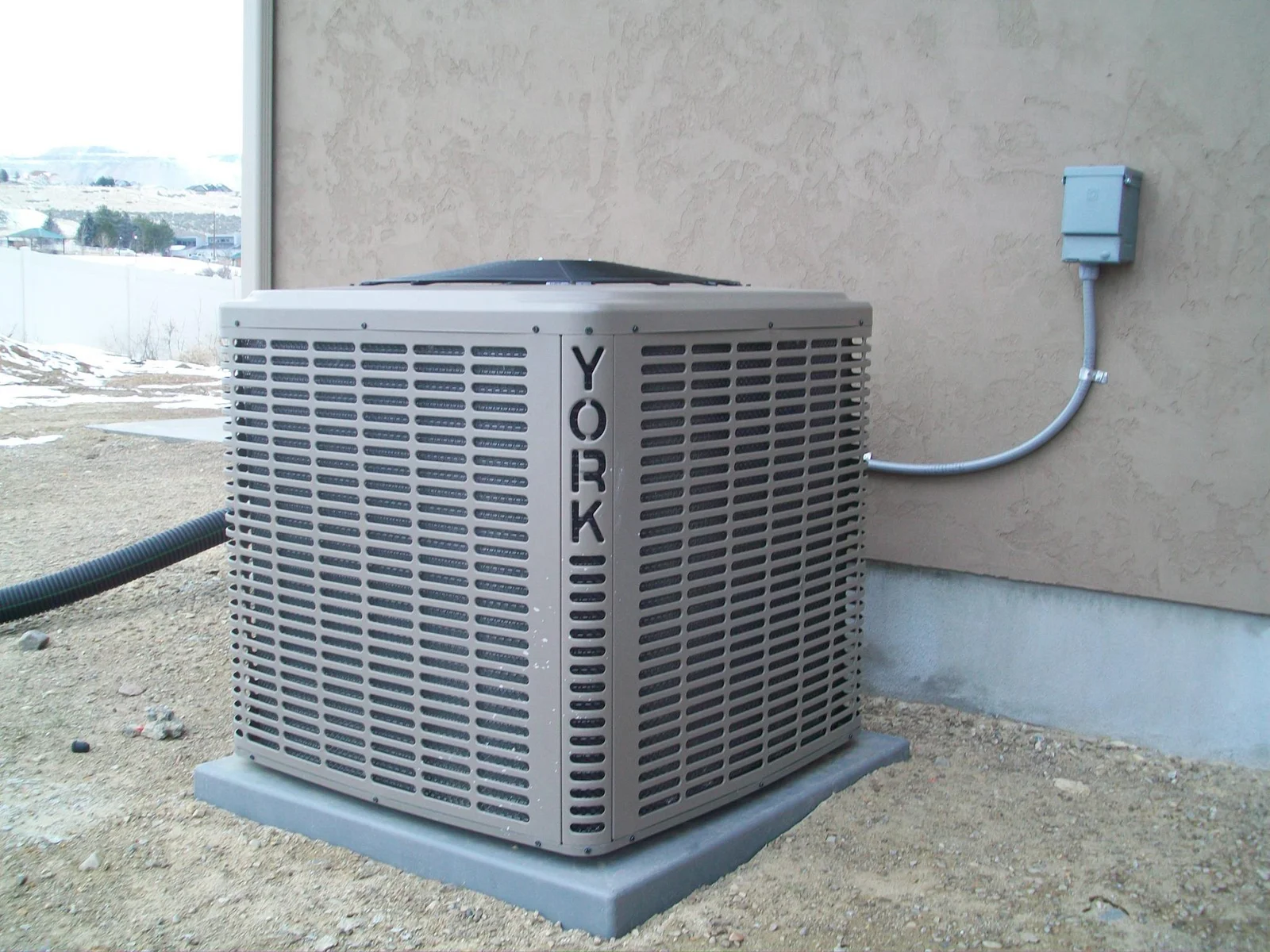
Cost Considerations — Heat pumps cost more upfront than a standard AC unit, but they replace both your AC and your furnace. When you factor in the elimination of gas furnace maintenance, the extended lifespan (heat pumps typically last 15–20 years), and lower operating costs, the total cost of ownership is often lower.
Is a Heat Pump Right for Your Home? — The best candidates are homes with good insulation, reasonable ductwork, and moderate heating loads. Homes with very high heating loads (large, poorly insulated, or at high elevation) may benefit from a dual-fuel setup. The only way to know for sure is a Manual J load calculation.
Curious whether a heat pump makes sense for your home? Start with our free HVAC guide or request a quote — we’ll run the numbers for your specific situation.
Related HVAC services
Need Help With This?
Our team is ready to help with expert hvac services across Utah.