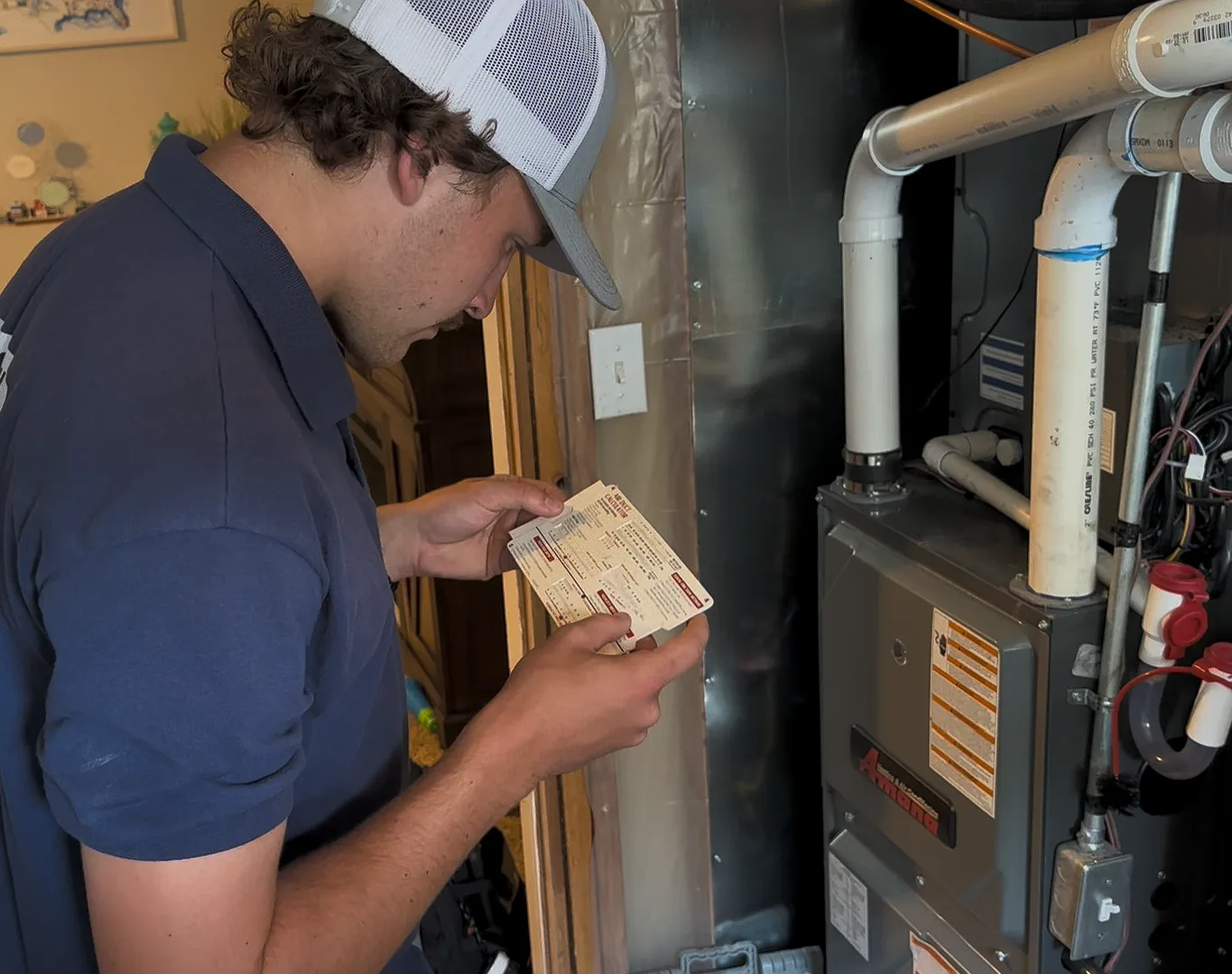
A Manual J load calculation is an HVAC sizing methodology that determines exactly how much heating and cooling capacity your home needs. It sounds technical, but it's one of the most important things that separates a professional HVAC contractor from a mediocre one. Improper sizing costs you thousands in energy waste and equipment failure.
Why this matters to your wallet
An oversized system short-cycles: worse comfort, worse humidity control, higher bills, shorter equipment life. If a contractor quotes a size without measuring your home, that's a red flag.
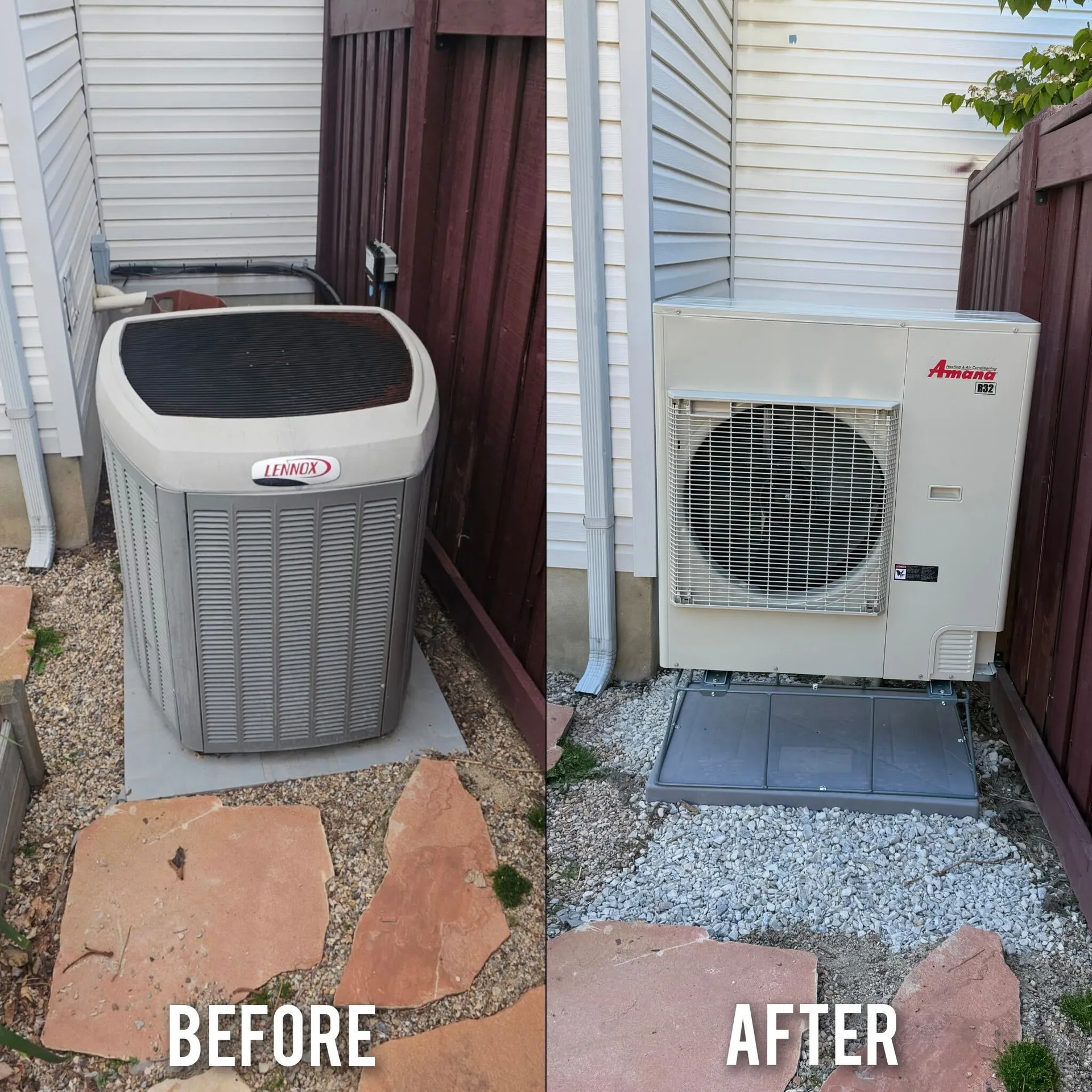
What Manual J Calculates—Manual J accounts for your home's square footage and shape, window count and orientation (south-facing windows gain more heat in summer), insulation R-values, foundation type, air leakage rate, number of occupants, internal heat loads from appliances and lighting, and local climate data (Utah's specific temperatures and humidity). The result is a BTU/hour heating and cooling load specific to your home.
The "Rule of Thumb" Problem—Many contractors skip Manual J and use outdated rules of thumb like "1 ton per 400-500 square feet." This is dangerously inaccurate. A well-insulated 3,000 sq ft home in Salt Lake City might need only 3.5 tons of cooling, while a poorly insulated 3,000 sq ft home in Summit County might need 4.5+ tons. Without calculations, contractors often guess wrong.
Oversizing Consequences—An oversized system short-cycles (turns on, cools/heats the air near the thermostat quickly, then shuts off). This prevents the system from running long enough to dehumidify properly and distributes air unevenly. Short cycling also causes the compressor to start and stop repeatedly, which accelerates wear and shortens lifespan by 5-10 years. Oversized systems also cost 20-30% more than right-sized ones.
Undersizing Consequences—An undersized system runs continuously and never quite reaches the desired temperature. Your utility bills spike. The system ages faster due to constant operation. And your home is uncomfortable. Undersizing is less common than oversizing because contractors fear customer complaints about insufficient cooling/heating.
The Utah-Specific Factors—Utah's altitude, latitude, dry air, and extreme seasonal temperature swings—require precise load calculations. A high-elevation home in Park City loses heat much faster than an identical home at 4,200 ft elevation in Salt Lake City. A south-facing home in the Salt Lake Valley gains massive solar heat in summer but loses it rapidly at night. Manual J captures all of this.
Energy Savings From Right-Sizing - A properly sized system runs longer, steadier cycles that are inherently more efficient. An oversized system's short-cycling can waste 15-25% of energy annually. For a home spending $1,500/year on heating and cooling, that's $225-$375 in annual waste. Over a 15-year system lifespan, that's $3,375-$5,625 in unnecessary energy costs.
What Manual J Requires—A contractor needs your home's architectural plans or careful measurements, knowledge of insulation levels and air tightness, window specifications, your location's design temperature data, and your intended comfort preferences. It takes 1-2 hours of work to perform a proper calculation, which is why some contractors skip it.
At Your Service Pros performs a Manual J on every new system installation. We size right for efficiency, comfort, and longevity. If you're planning to replace your HVAC system, insist on a Manual J calculation—it's the foundation of a system that performs as intended.
Related HVAC services
Need Help With This?
Our team is ready to help with expert hvac services across Utah.