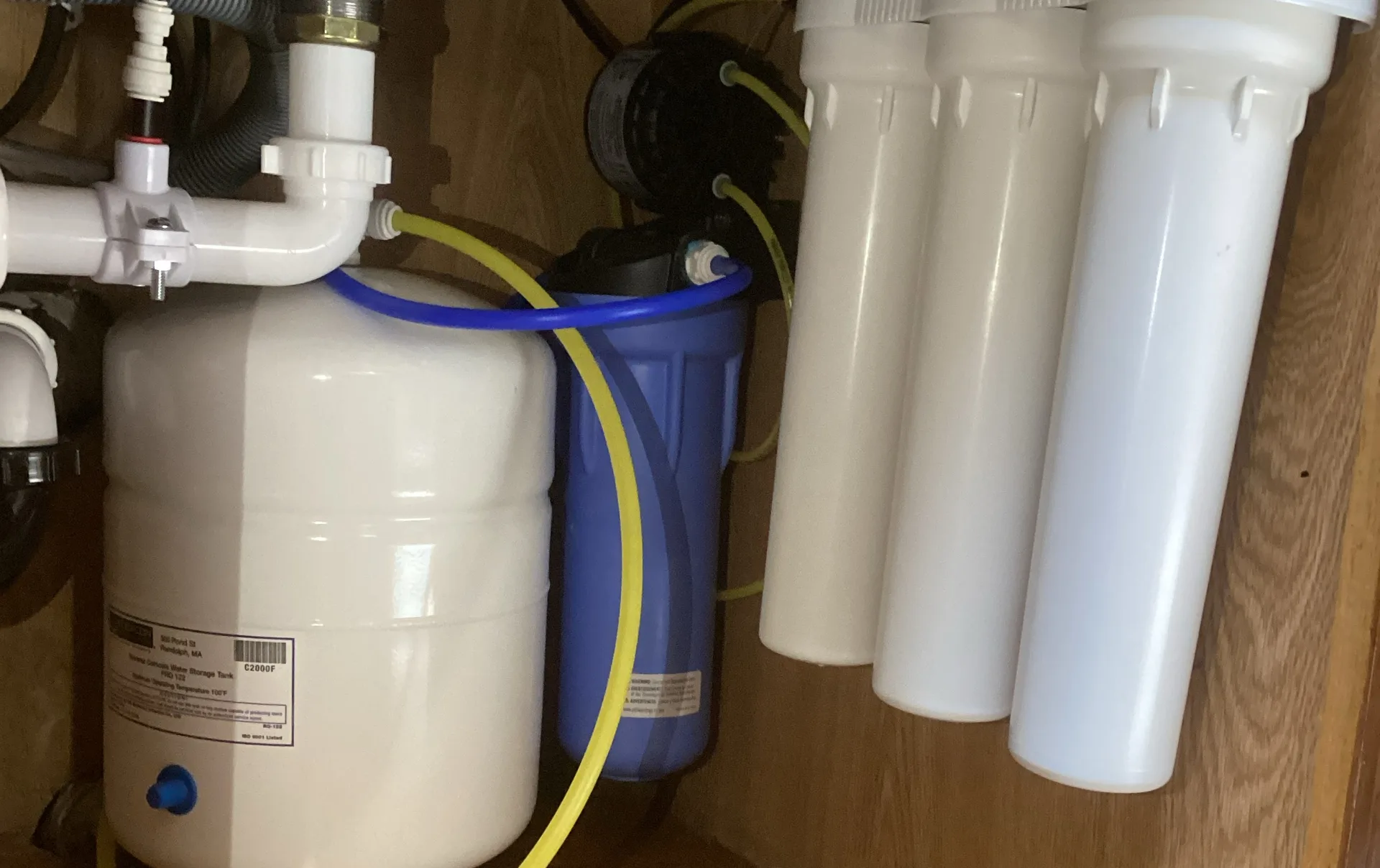
Utah tap water has high total dissolved solids (TDS)—mineral content that makes water taste slightly bitter or salty, depending on location and season. A reverse osmosis (RO) system removes these solids and contaminants, producing crystal-clear, great-tasting drinking water. But is it worth the cost and maintenance in Utah?
What RO actually removes
Lead, arsenic, nitrates, PFAS, chlorine taste, and the dissolved solids Utah's water is loaded with — typically 90%+ reduction at the dedicated faucet. It's the strongest point-of-use treatment you can buy for the money.
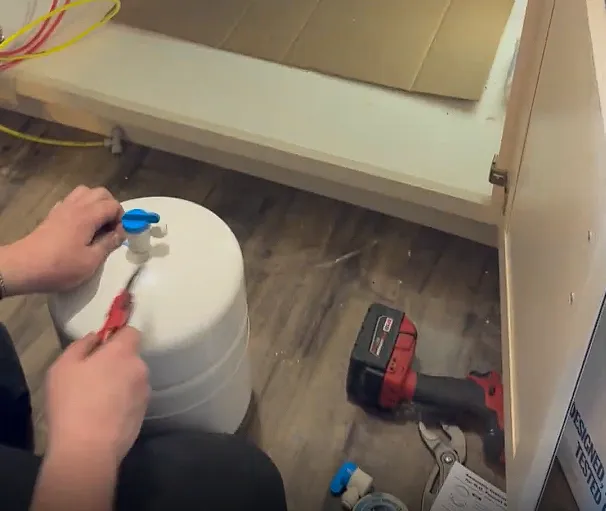
What RO Does—Reverse osmosis forces tap water through a semi-permeable membrane under pressure. Only pure water molecules pass through; dissolved minerals, salts, chlorine, fluoride, some bacteria, and other contaminants get flushed down the drain. The result is 95-98% pure water—essentially distilled water quality.
Utah's TDS Problem—Most Utah cities measure 300-500 ppm total dissolved solids; some areas exceed 500 ppm (EPA recommends below 500). This mineral-heavy water affects taste and appliance longevity and can contribute to mineral deposits on fixtures. If your water tastes brackish or salty, TDS is too high. A water test reveals your exact TDS level.
What TDS Actually Contains—High TDS comes from dissolved calcium, magnesium, sodium, sulfates, chlorides, and other minerals. While minerals aren't inherently unsafe, excess TDS affects taste and stains fixtures. In combination with hard water, high TDS means appliances age faster and your shower doors and faucets get mineral deposits.
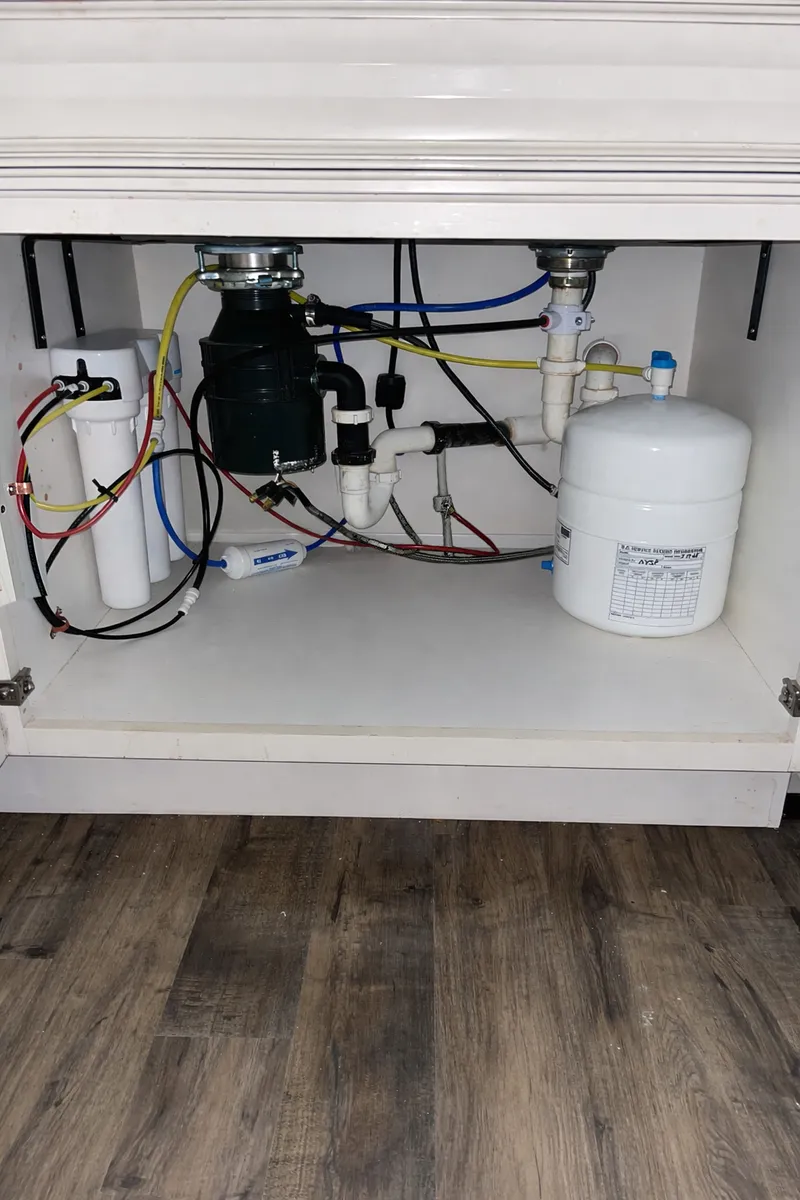
Point-of-Use RO Systems—Most homeowners install RO systems under the kitchen sink, providing filtered drinking and cooking water. A standard RO system costs $300-$600 installed, with filters replacing every 6-12 months at $30-$50 per set. A whole-home RO is possible but expensive ($2,500-$4,000) and wastes more water during filtration.
Water Waste Issue—RO systems produce about 3-4 gallons of wastewater for every 1 gallon of pure water made (3:1 or 4:1 ratio). For a family using 2 gallons per day of RO water, you're wasting 6-8 gallons daily. Over a year, that's 2,000-3,000 gallons of waste. Some newer high-efficiency RO systems achieve 2:1 ratios, cutting waste in half.
Cost vs. Benefit Analysis—The cost: $500 installed + $40/year filter replacements = $640/year. A family of 4 using a pitcher filter or bottled water spends $300-$500/year. An RO system pays for itself in 1.5-2 years through avoided bottled water costs. Over 10 years, you save $2,000-$3,000 while reducing plastic waste.
Taste and Health—RO water tastes noticeably better than Utah tap water, especially in high-TDS areas. If your family drinks bottled water because tap water tastes bad, RO is absolutely worth it. Some people add a remineralizer cartridge to RO systems, which adds beneficial minerals back in while keeping harmful ones out.
Is RO Worth It for You?—Get an RO system if your tap water tastes salty or mineral-heavy, your TDS is above 400 ppm, your water shows visible minerals or deposits, or your family drinks bottled water regularly. Skip RO if your tap water tastes fine (TDS is probably fine), you're in a low-TDS area, or cost is a major constraint.
A water test takes 30 minutes and costs $0 from us. It tells you your TDS, hardness, pH, chlorine, and other qualities—information that helps decide if RO makes sense. We offer free water quality assessments specific to your address.
Related Plumbing services
Need Help With This?
Our team is ready to help with expert plumbing services across Utah.