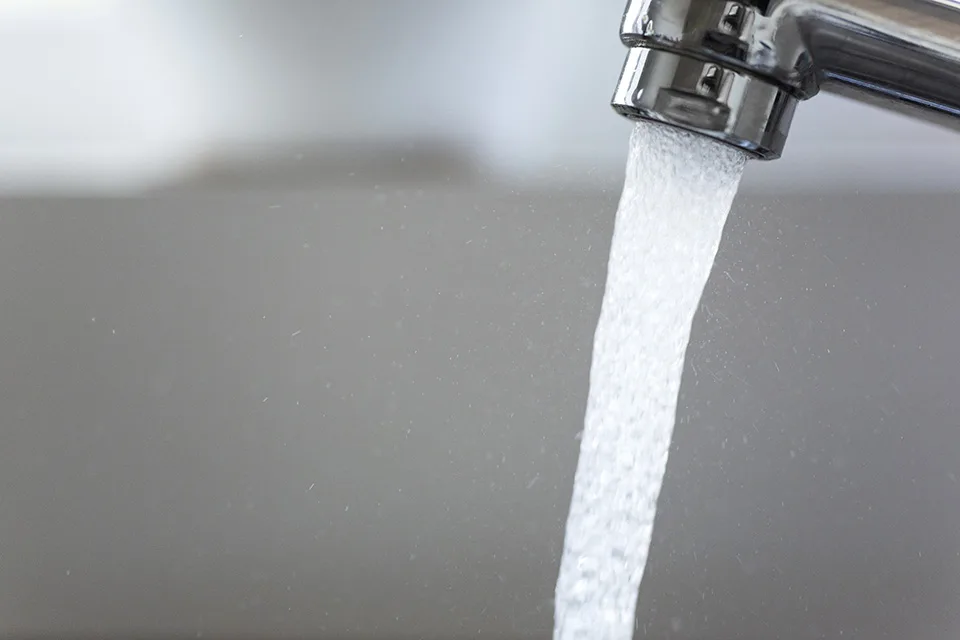
If you live in Utah, you have hard water. Most areas in the state measure between 15 and 25+ grains per gallon (gpg), compared to the national average of around 5 gpg. The "moderately hard" range is 3.5–7 gpg — meaning Utah’s water is 3–5x harder than what’s considered normal.
What we see in the field
Most Wasatch Front homes we test run 10–20 grains per gallon — 'very hard' on the USGS scale. That scale is what kills water heaters, spots dishes, and clogs aerators.
What Makes Water "Hard"? — Hard water contains dissolved minerals, primarily calcium and magnesium. These minerals come from the limestone, dolomite, and other mineral deposits that Utah’s water passes through on its way from mountain snowpack to your tap. The higher the mineral content, the harder the water.
The Damage Hard Water Causes — Scale buildup inside your water heater reduces efficiency by 20–30% and shortens its lifespan from 12–15 years to 8–10. Dishwashers, washing machines, and ice makers fail 3–5 years earlier. Mineral deposits narrow pipes over time, restricting flow and creating pressure problems.
Beyond Appliances — Hard water prevents soap from fully lathering, leaving a film on your skin and hair. It spots glasses and dishes. It stains fixtures and shower doors. And it makes your laundry feel stiff and look dingy, even with extra detergent.
Total Dissolved Solids (TDS) — Beyond hardness, Utah tap water typically measures 300–500+ parts per million (ppm) of total dissolved solids. The EPA recommends TDS below 500 ppm for drinking water. Some Utah areas exceed this, especially during late summer when reservoir levels are low.
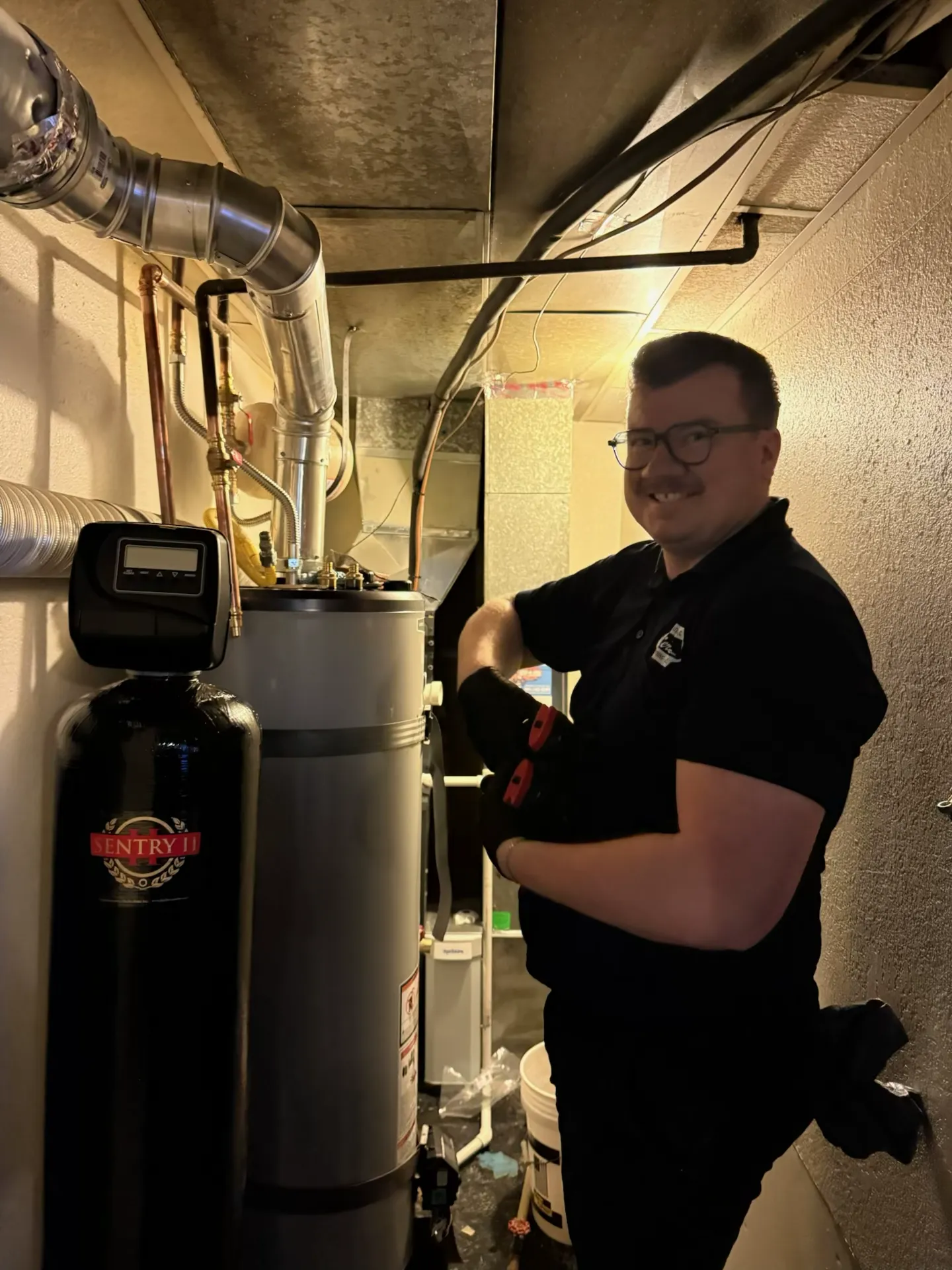
The Solution: A Layered Approach — Most Utah homes benefit from two systems working together. A whole-home water softener removes calcium and magnesium before they reach your appliances and pipes. A point-of-use reverse osmosis system under your kitchen sink removes the dissolved solids, chlorine, and contaminants from your drinking water.
What About Salt-Free Systems? — Salt-free "conditioners" don’t actually remove minerals — they alter their structure to reduce scale formation. In Utah’s extremely hard water, these systems are far less effective than ion-exchange softeners. We recommend true salt-based softening for Utah homes.
Want to know exactly what’s in your water? Start with our free water quality guide, which uses EPA data specific to your area. Or schedule a water test — we’ll measure hardness, TDS, pH, and check for common contaminants.
Related Plumbing services
Need Help With This?
Our team is ready to help with expert plumbing services across Utah.