Utah's hard water—15 to 25+ grains per gallon across the state—is relentless on appliances, plumbing, and your skin. A water softener isn't optional; it's a necessity. But choosing the right type, size, and system requires understanding how softeners work and what matters for your home.
Salt tip
Use solar or evaporated salt pellets, top off when the tank is under a third full, and break up any salt bridge (a hard crust) with a broom handle once a season.
Understanding Hardness Levels — Hardness is measured in grains per gallon (GPG). Below 3.5 GPG is soft; 3.5-7 is moderately hard; 7-10.5 is hard; above 10.5 is very hard. Utah typically ranges from 15-25+ GPG in populated areas, making our water 2-7x harder than what's considered normal. Some areas exceed 30 GPG, especially in rural or high-elevation regions. A water test tells you your exact hardness and helps size the right system.
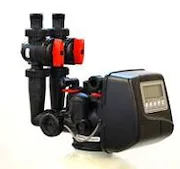
How Ion-Exchange Softeners Work — The industry standard, ion-exchange softeners contain resin beads charged with sodium ions. As hard water flows through, calcium and magnesium ions swap places with sodium ions, softening the water. When the resin becomes saturated (typically 5-15 days depending on usage and hardness), the system regenerates using a salt brine solution, recharging the beads for another cycle.
Sizing Your Softener Correctly — A properly sized softener regenerates 2-4 times per month for typical family usage. The formula: (number of people) × (75 gallons per person per day) × (grains of hardness) = daily grain removal needed. For a 4-person home in an area with 20 GPG hardness, that's 6,000 grains per day, suggesting a 48,000-grain capacity softener that regenerates every 8 days.
Salt Usage and Types — Most systems use 40-80 lbs of salt per month depending on hardness and usage. That's roughly one 40-lb bag every 2-4 weeks. Use solar salt crystals (60% purity) or evaporated salt pellets (99% purity)—avoid rock salt, which contains impurities that clog the system and require expensive professional cleaning.
Salt-Free "Conditioners" – Do They Work? — Salt-free systems don't remove minerals; they alter their structure to reduce scale formation. In Utah's extremely hard water, these systems are 60-70% effective at best. If scale buildup is your main concern, they help. If you also want soft water for bathing and washing, they're insufficient. True ion-exchange softening is the proven choice for Utah.
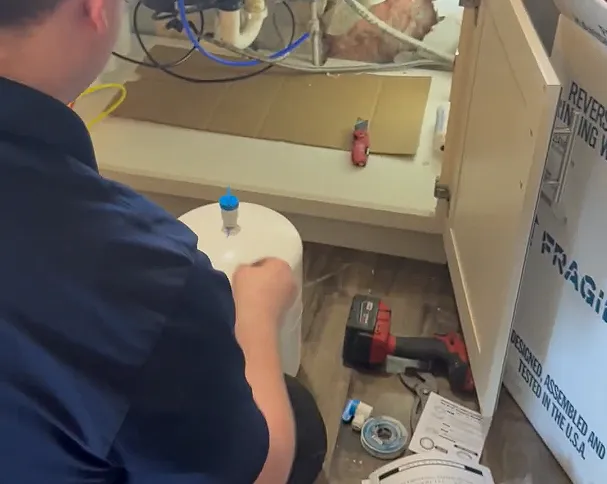
Dual-System Approach — Most Utah homes benefit from a water softener (for whole-home protection) paired with a point-of-use reverse osmosis system under the kitchen sink (for drinking water). The softener removes hardness minerals; the RO system removes dissolved solids, chlorine, and contaminants. Total dissolved solids (TDS) in Utah tap water often exceed 300-500 ppm; RO brings this to 20-50 ppm.
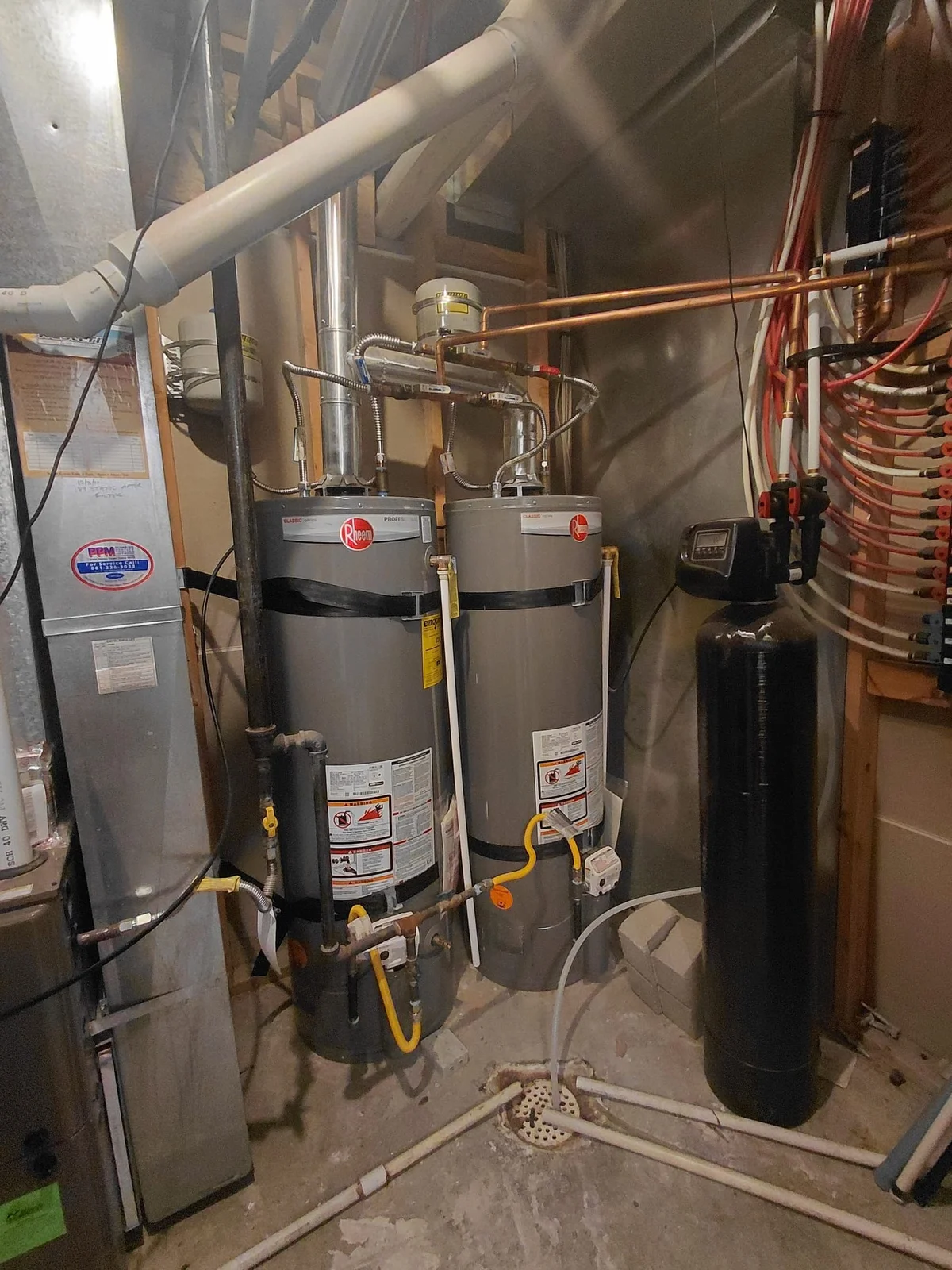
Installation and Maintenance — Installation requires routing your main water line through the softener before it branches to fixtures. It needs a nearby drain and electrical outlet. You'll check salt levels monthly and refill as needed. Annual professional maintenance includes brine tank cleaning and resin inspection. Resin beds last 10-15 years before requiring replacement.
Cost Expectations — A quality whole-home ion-exchange softener costs $1,500-$3,500 installed depending on capacity and brand. High-end systems with smart controls cost $3,500-$5,000+. Add $500-$1,500 for a RO system under the sink. Over 15 years, that investment saves you $3,000-$8,000 in appliance repairs, extended water heater life, and reduced detergent usage.
Ready to experience soft water? Start with a free water quality test to know your exact hardness, TDS, pH, and contaminants. We'll recommend the right softener for your home.
Related Plumbing services
Need Help With This?
Our team is ready to help with expert plumbing services across Utah.