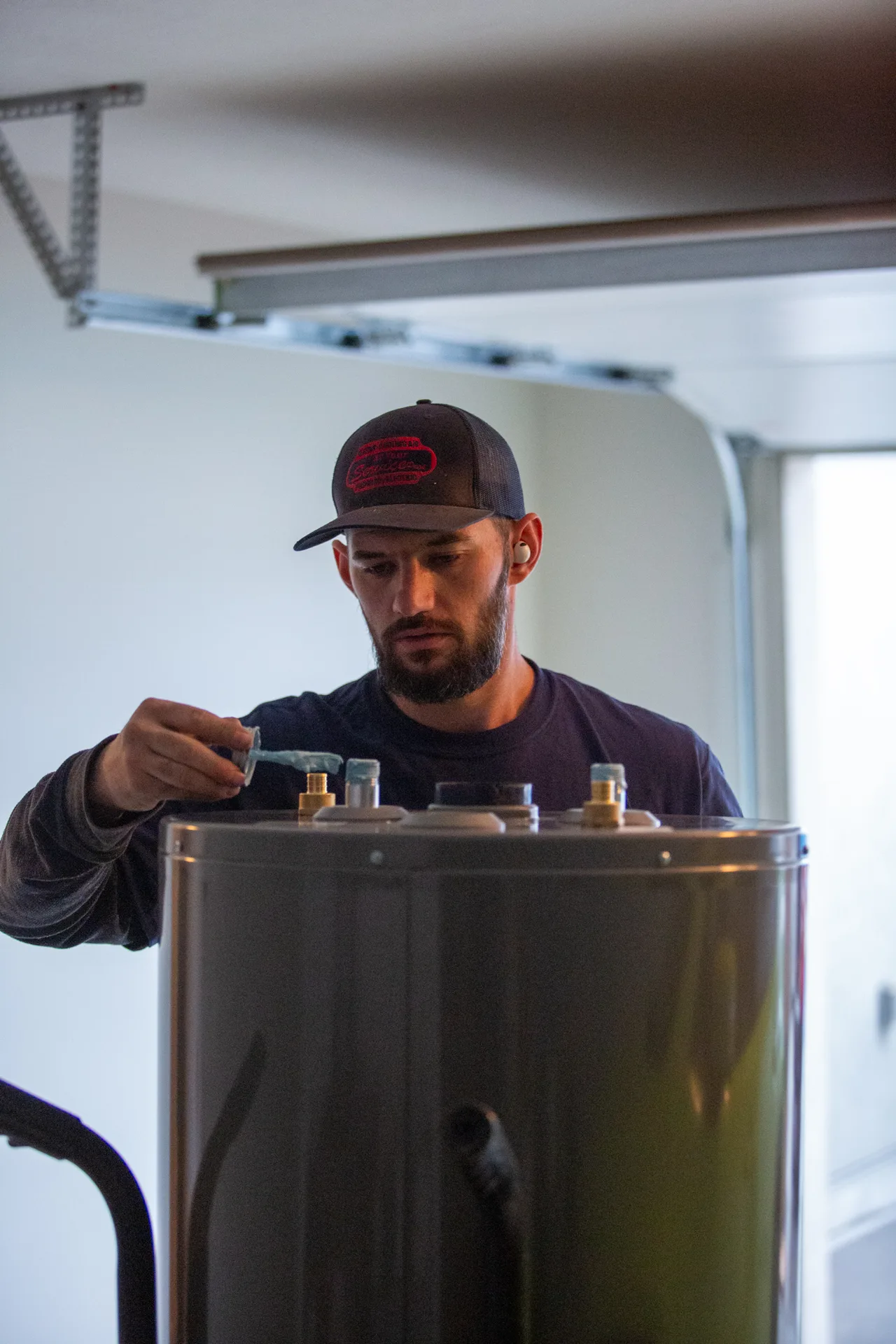
Your water heater is one of the hardest-working appliances in your home, quietly delivering hot water 24/7. Most tank water heaters last 10-15 years, but Utah's hard water accelerates mineral buildup and corrosion, shortening lifespan to 8-12 years. Knowing the warning signs helps you plan ahead before failure.
The one sign you can't ignore
Rusty or milky water from the HOT side only, or moisture around the tank base, means the tank itself is corroding. There's no repair for that — plan replacement before it becomes a flooded utility room.
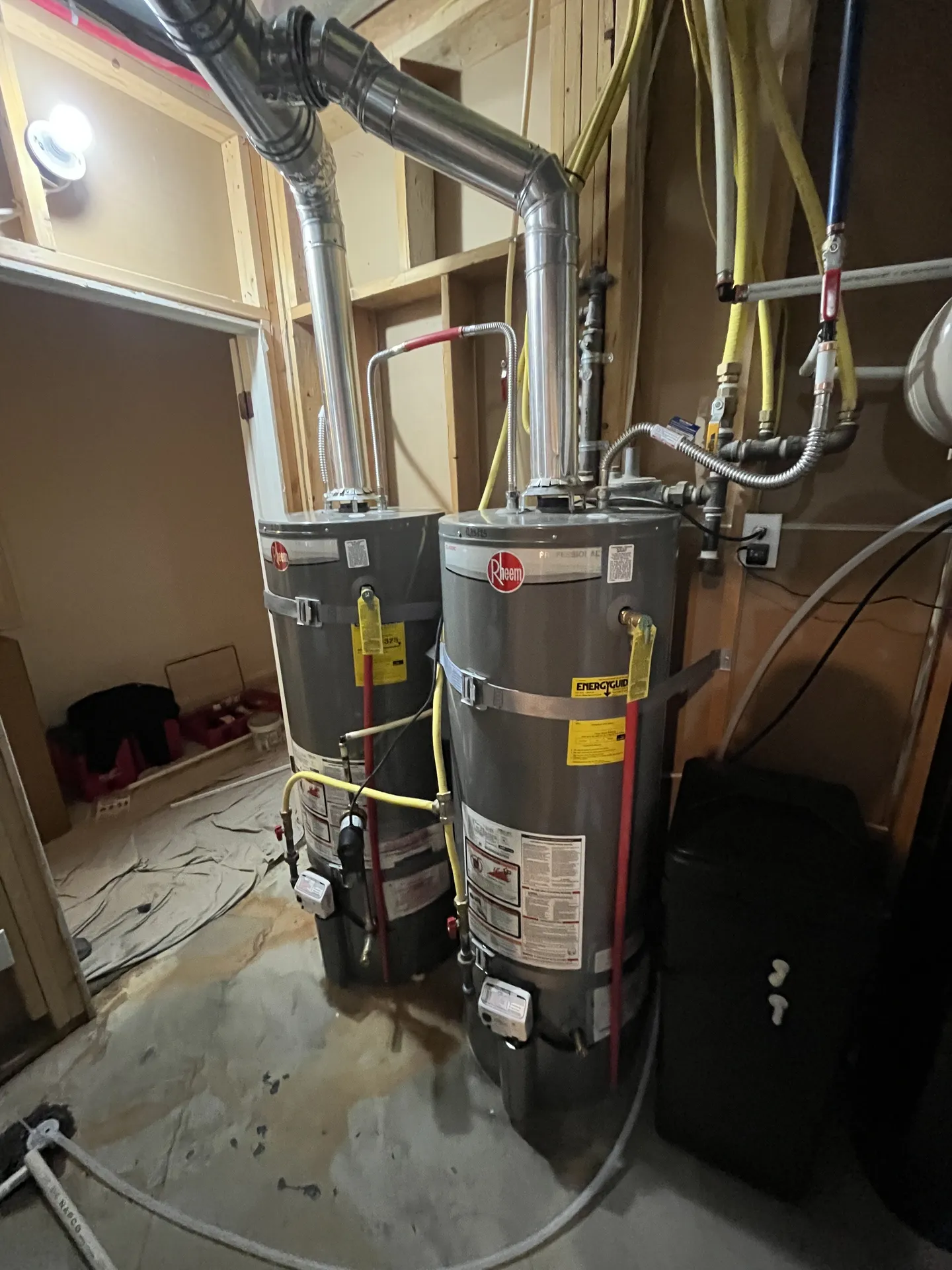
Sign #1: Age Over 10 Years — If your water heater was installed before 2014, you're in replacement territory. Even if it's still working, efficiency declines with age. Scale buildup inside the tank insulates heating elements, forcing them to work harder. A 15-year-old water heater is typically 30-40% less efficient than when it was new. Annual energy costs climb, and failure risk skyrockets.
Sign #2: Rusty or Discolored Water — If hot water comes out brown or orange, rust is developing inside the tank. This rust speeds up corrosion and will eventually cause a leak. Once rust appears in the hot water, the tank has usually reached the end of its serviceable life. Replacing the anode rod (the sacrificial metal that rusts first) can extend life 1-2 years, but replacement is imminent.
Sign #3: Visible Corrosion or Rust on the Tank — Look under and around your water heater. If you see rust stains, discoloration, or corrosion on the tank exterior, internal corrosion is happening. Water is actively eating through the metal. A leak is likely within months. Don't delay—leaks can flood basements and cause thousands in damage.
Sign #4: Leaking from the Tank Base — A small drip or significant leak from under the water heater indicates the tank itself is corroded and failing. Minor leaks might be a fitting that can be tightened, but if the leak is coming from the tank body, replacement is your only option. A water heater leak can damage flooring, drywall, personal belongings, and cause mold if not addressed quickly.
Sign #5: Reduced Hot Water Supply — If your showers are shorter before running out of hot water, sediment has accumulated at the bottom of the tank, reducing capacity and efficiency. A water heater that once gave 30 minutes of hot water now gives 15 minutes. Flushing the tank (removing sediment) temporarily extends life but doesn't solve the underlying problem. Replacement is likely needed within 1-2 years.
Sign #6: Strange Noises (Rumbling or Banging) — Loud rumbling, popping, or banging from your water heater indicates sediment is burning on the heating elements. This reduces efficiency and stresses the tank. In severe cases, these noises indicate imminent tank failure. Flushing removes accumulated sediment and can restore quiet operation, but if you're hearing these sounds regularly, your water heater is nearing the end of life.
Bonus Sign: Slow Recovery Time — If it takes 30+ minutes to heat a second round of showers, your heating element is weakening or severely scaled. Newer water heaters typically recover in 20-30 minutes. A slow-recovering heater is working overtime and burning out.
Replacement vs. Repair Decision — Repair if: your water heater is under 8 years old, the repair costs less than 25% of a new unit's price, and it's not leaking. Replace if: it's over 10 years old, repair costs exceed $400-$500, it's leaking, or you're experiencing multiple failure signs. A new efficient water heater pays for itself within 5-7 years through energy savings.
Plan your replacement ahead of failure. Utah's hard water is hard on water heaters. Schedule an inspection today if your water heater is 8+ years old.
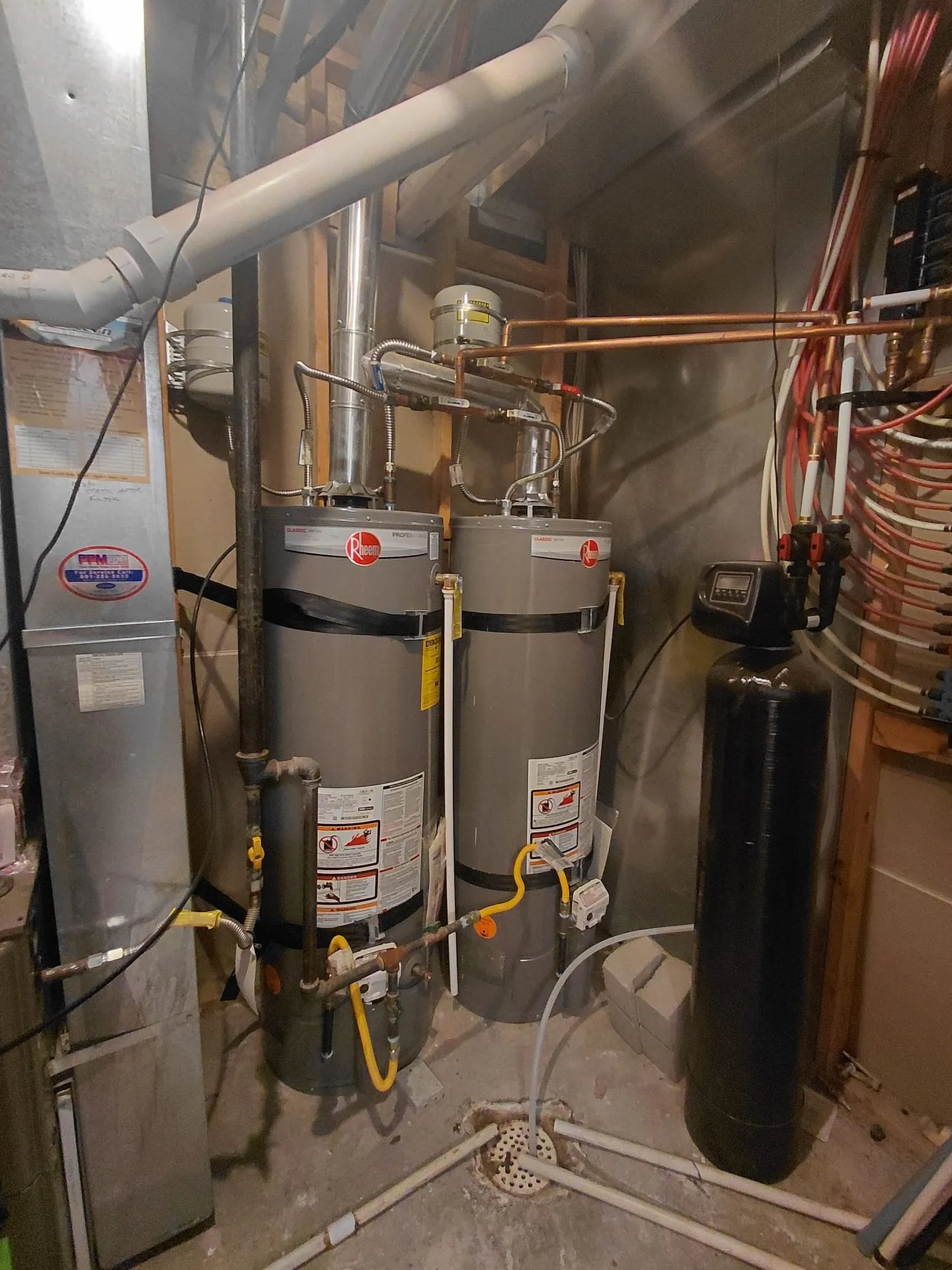
Related Plumbing services
Need Help With This?
Our team is ready to help with expert plumbing services across Utah.