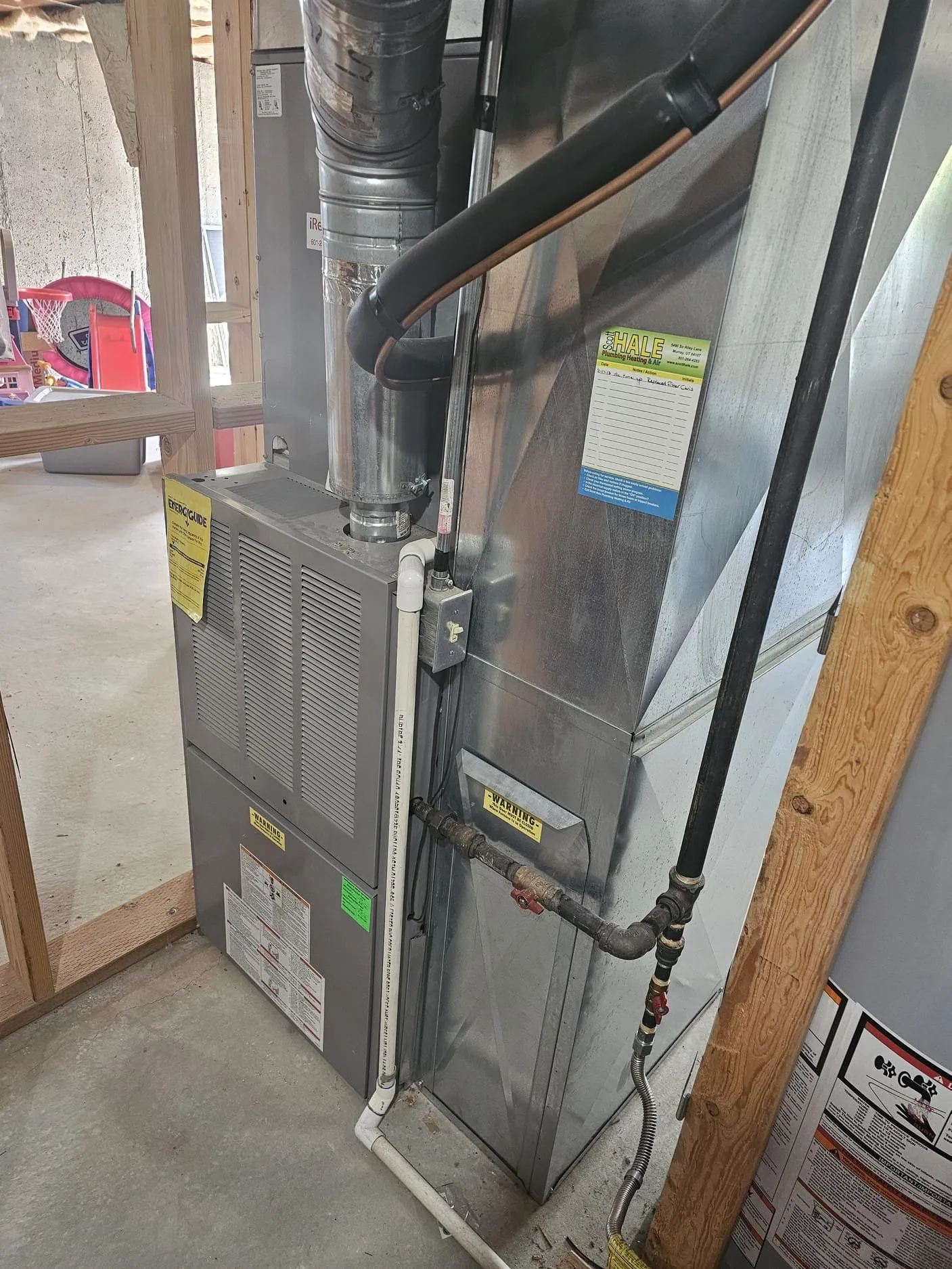
AFUE: Annual Fuel Utilization Efficiency Ratings Explained
What AFUE numbers really mean and why it matters for your furnace choice
AFUE: Annual Fuel Utilization Efficiency Ratings Explained
Video walkthrough coming soon
What is AFUE and what do the numbers mean?
AFUE (Annual Fuel Utilization Efficiency) is a percentage that measures how much of the energy in your heating fuel actually heats your home — the rest is lost up the chimney or through walls. A furnace rated 90% AFUE converts 90 cents of every energy dollar into usable heat; 10 cents is wasted. Older furnaces are typically 60-70% AFUE. Modern furnaces range from 80-98.5% AFUE. The difference is dramatic: a 90% AFUE furnace costs about $300-500 more than an 80% AFUE furnace, but saves that difference in 3-5 years through lower energy bills, then continues saving money for the rest of its life (typically 15-20 years).
Federal minimum AFUE standards
The U.S. Department of Energy sets minimum AFUE standards to reduce energy waste. As of 2020, the federal minimum is 80% AFUE for furnaces. However, some states (including California) require 90% AFUE minimum. In Utah, 80% AFUE is currently the federal minimum allowed, though some utility companies offer rebates for high-efficiency (90%+) installations. The standards continue to increase over time. If you're buying a furnace now, an 80% AFUE unit is 'compliant' but already near the end of its efficiency curve. A 90%+ AFUE unit represents the current best practice and will remain compliant through future standards.
High-efficiency furnaces and venting requirements
High-efficiency furnaces (90%+ AFUE) operate differently from older units. They extract so much heat from exhaust that the gases cool below the dew point. This means the exhaust is actually lukewarm water vapor, not hot exhaust. These systems require special venting (typically plastic PVC) that older homes often lack. Installation requires careful design to handle condensation. Older homes with existing masonry chimneys need professional evaluation before upgrading to a high-efficiency unit. A furnace professional should handle venting design to ensure proper water drainage and longevity.
Utah climate and heating needs
Utah's heating season is long (September-April in Salt Lake City; even longer in mountain areas) and intense (design temperatures 5-10°F). Over six months of heating, even small efficiency gains add up significantly. A 10% AFUE difference (80% vs 90%) on a furnace running 8+ hours daily for 200+ days per year means thousands of dollars in fuel savings over the furnace's lifetime. In Northern Utah's climate, the payback period for a high-efficiency furnace is one of the shortest in the nation. Mountain homes (Park City, Alta, Snowbird) have even longer heating seasons and greater efficiency benefit.
AFUE ratings and real-world performance
AFUE ratings are tested under standard conditions that don't always match real-world performance. Older homes with poor insulation, air leakage, and undersized ducts don't achieve rated AFUE because the furnace runs inefficiently in stop-start cycling. A properly maintained system in a well-sealed home achieves rated efficiency. This means that before buying a high-efficiency furnace, sealing air leaks, insulating ducts, and ensuring proper manual J sizing gives you better returns than efficiency improvements alone. A poor-performing 90% AFUE furnace in a leaky home with bad ductwork actually uses more fuel than a baseline unit properly installed in an efficient home.
Have questions? We're here to help.
Our licensed technicians serve Utah County, Salt Lake County, and surrounding areas.
Official Resources
Related Guides
Talk to a licensed technician about your specific situation — no pressure, no obligation.
Call (801) 407-9320