CPSC Home Safety: Protecting Your Family from Product Hazards
Understanding the Consumer Product Safety Commission and how to identify unsafe products
CPSC Home Safety: Protecting Your Family from Product Hazards
Video walkthrough coming soon
What is the CPSC and what do they do?
The Consumer Product Safety Commission (CPSC) is an independent federal regulatory agency that sets safety standards for consumer products (toys, appliances, electronics, furniture, etc.) but explicitly does NOT regulate food, drugs, cars, firearms, or pesticides — those are regulated by other agencies. The CPSC investigates safety hazards, recalls dangerous products, and prosecutes manufacturers who knowingly sell unsafe goods. For homeowners, the CPSC is most relevant for electrical safety (outlets, breakers, cords), appliance safety, and furniture/building material safety.
Electrical safety recalls and standards
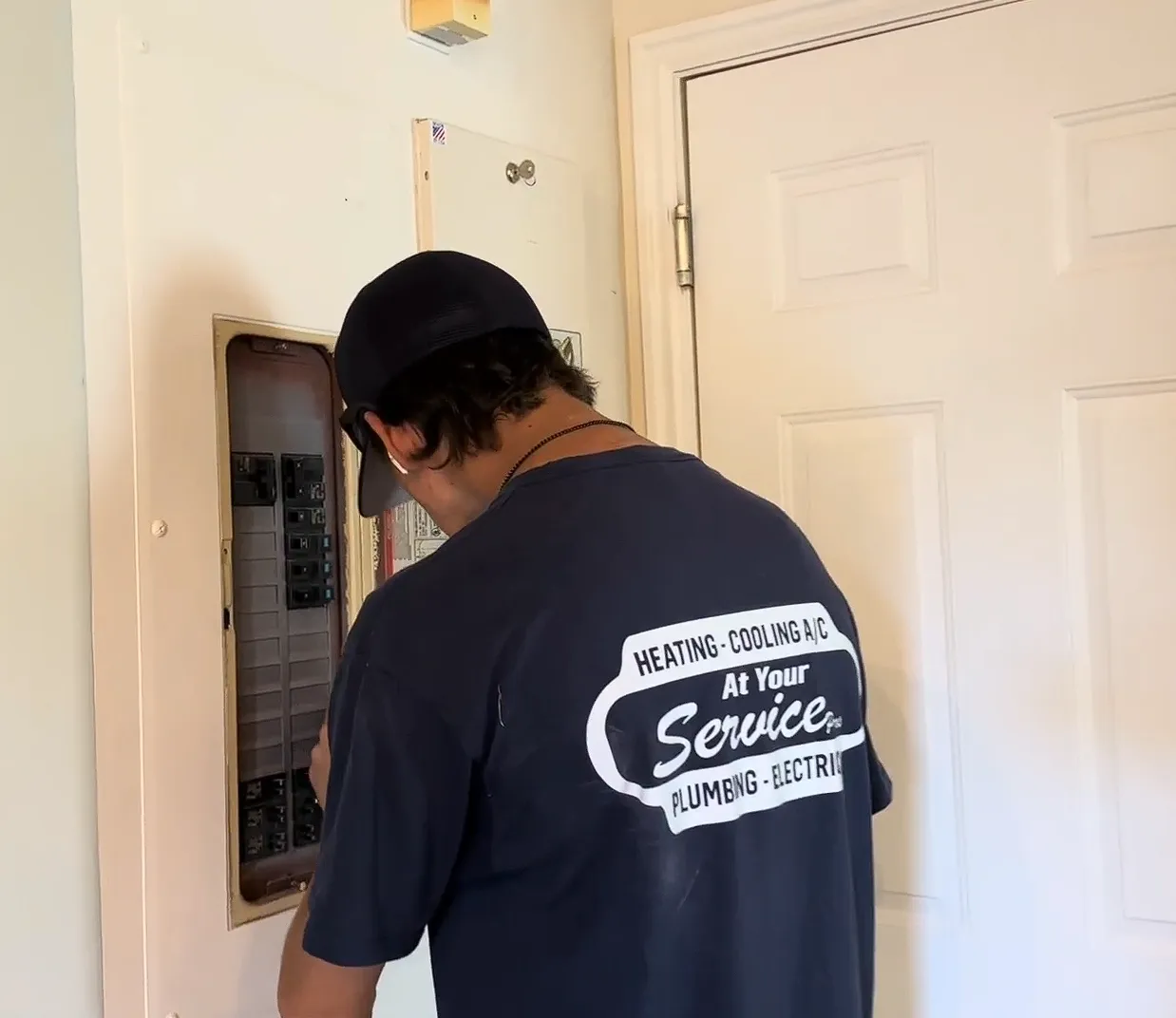
The CPSC oversees electrical product safety and recalls dangerous items regularly. Power cords with hidden defects, outlets that fail to shut off power in a fault, light fixtures that overheat — these are CPSC concerns. Some notable electrical safety issues: older two-prong outlets without ground pins present shock hazards. Aluminum wiring in some 1970s homes degrades at connections, causing overheating and fire risk. Federal Pacific and Zinsco electrical panels (covered in a separate learn-more topic) are repeatedly subject to safety concerns due to CPSC investigations. Checking the CPSC recall database regularly helps you identify products in your home that have been recalled due to safety issues.
Product recall database: how to check for recalls
The CPSC maintains a free, searchable database (recalls.gov) where you can search for recalled products by brand, model, or description. If you own a product that's been recalled, the database tells you what the hazard is, how to return it or fix it, and whether any injuries have been reported. For appliances, furnaces, water heaters, and electrical equipment in your home, it's worth checking the database. Some recalls require immediate attention (fire hazard, electrical shock risk), while others are less urgent (cosmetic issue). Major appliance recall information is usually sent to owners by mail, but smaller products and older items can be missed.
Common home safety hazards
Beyond specific product recalls, the CPSC tracks common home hazards: fire safety (smoke detectors, carbon monoxide alarms), electrical safety (surge protectors, outlet covers for homes with children), ladder safety, carbon monoxide poisoning from poorly vented appliances, and chemical hazards from household products. Many homes lack adequate smoke and CO detectors, or detectors that are expired or have dead batteries. CPSC emphasizes that while product safety standards are important, how products are installed and maintained affects safety more than any label or standard.
Utah home safety considerations
Utah homes face specific safety considerations: high altitude and dry climate affect appliance performance (some equipment rated at sea level loses 3-4% efficiency per 1,000 feet of elevation). Old homes may have ungrounded outlets (two-prong) throughout. Many older Utah homes have aluminum wiring, which requires special outlets and breakers to prevent overheating. Mountain properties may have older, less safe heating systems. New construction in Utah should meet current electrical and safety codes, but any older home purchase should include an inspection for CPSC-relevant issues like recalled electrical panels, outlets, or appliances.
Have questions? We're here to help.
Our licensed technicians serve Utah County, Salt Lake County, and surrounding areas.
Official Resources
Related Guides
Talk to a licensed technician about your specific situation — no pressure, no obligation.
Call (801) 407-9320