EPA Duct Sealing: Stop Energy Loss in Your Ducts
Why duct leaks waste 15-30% of your energy and how to fix them
EPA Duct Sealing: Stop Energy Loss in Your Ducts
Video walkthrough coming soon
How much energy do leaky ducts waste?
EPA research shows that the average home loses 15-30% of conditioned air through leaks and poor connections in ductwork. If your HVAC system costs $200/month to run and your ducts are 20% leaky, you're literally throwing away $40 per month cooling or heating air that ends up in crawlspaces, attics, and walls instead of your living spaces. Over a heating/cooling season, that adds up to $500-$1,000 per year in wasted energy. Sealing ducts is one of the highest-ROI home efficiency improvements.
Where ducts leak: common problem areas
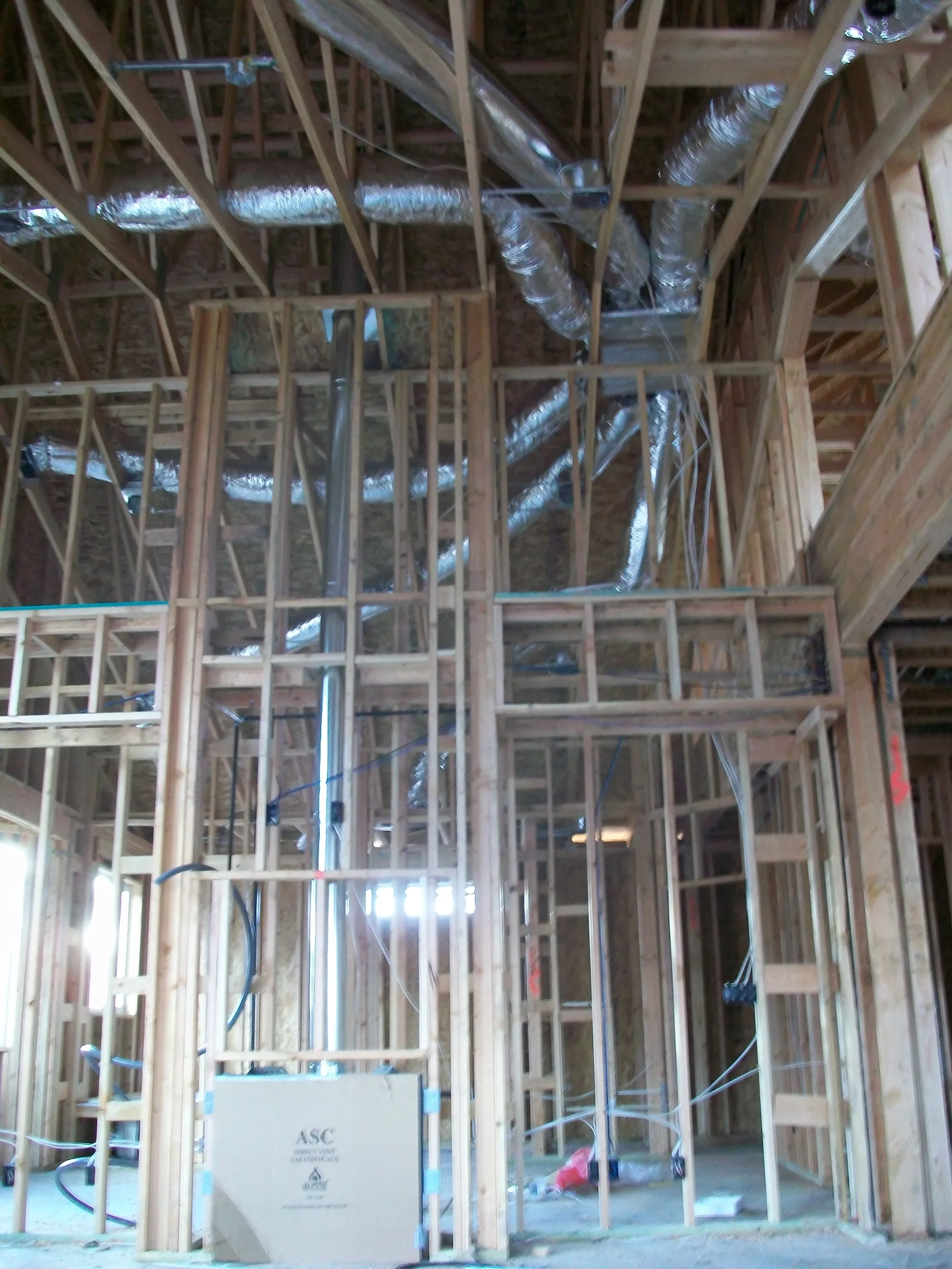
Ducts leak at connections (where sections join together), at takeoffs (where individual branch ducts connect to the main trunk), at registers (where ducts meet wall/ceiling grilles), and through small holes and cracks in the ductwork itself. The flex duct commonly used in attics and crawlspaces is especially prone to leaks if not properly supported and sealed. When flex duct is kinked, pinched, or droops, it develops creases and separations. Most Utah homes have 10-20+ significant duct leaks scattered throughout the system.
Sealing methods: mastic vs. tape
Mastic is a putty-like sealant that's applied with a brush or hand to duct joints and leaks. It adheres to duct surfaces and remains effective for many years. Duct tape (the actual product name) is adhesive-backed cloth tape, but ironically, regular duct tape degrades in ducts due to temperature and humidity changes and is NOT recommended by EPA or ASHRAE. High-quality duct sealing tape (aluminum-backed, rated for ductwork) can work for temporary repairs, but mastic is the standard method. Professional duct sealing typically uses mastic for all joints and cracks.
Duct blaster testing: measuring leakage
A duct blaster test measures how much air leaks from your ductwork. The technician seals all registers and returns with a temporary cover, then uses a duct blaster machine that pressurizes the ducts and measures the leakage rate in CFM (cubic feet per minute). A typical home might have 300-500+ CFM of leakage. After sealing, professional duct sealing reduces leakage to 10-50 CFM. The test results let you quantify your energy waste and prove the sealing work was effective. This data is needed to claim some utility rebates.
Utah duct issues and attic/crawlspace challenges
Many Utah homes built in the 1970s-1990s have ducts in uninsulated attics or crawlspaces where temperatures swing 50-80°F seasonally. In summer, ducts in 110°F+ attics lose tremendous cooling energy. In winter, ducts in 30°F crawlspaces lose heating. Flex duct was often installed without proper support in Utah homes, so it sags and develops kinks that restrict airflow and create leaks. Some older Utah homes have ducts running through uninsulated chases in exterior walls. All these situations are prime candidates for duct sealing and insulation to improve efficiency.
Have questions? We're here to help.
Our licensed technicians serve Utah County, Salt Lake County, and surrounding areas.
Official Resources
Related Guides
Talk to a licensed technician about your specific situation — no pressure, no obligation.
Call (801) 407-9320