EPA Indoor Air Quality: Creating Healthy Home Air
What you need to know about the air you breathe inside your home
EPA Indoor Air Quality: Creating Healthy Home Air
Video walkthrough coming soon
What is Indoor Air Quality (IAQ)?
Indoor Air Quality refers to the concentration of pollutants in your home's air. The EPA has found that indoor air is often 5-10 times more polluted than outdoor air because pollutants accumulate in homes and people spend 80-90% of their time indoors. Common indoor air pollutants include dust mites, pet dander, mold spores, volatile organic compounds (VOCs) from paints and furniture, carbon dioxide, and carbon monoxide. Good IAQ means low concentrations of these pollutants and adequate fresh air.
Common indoor air pollutants
Dust and allergens come from outdoor sources and human/pet activity. Mold grows in moist environments (bathrooms, crawlspaces, attics). VOCs are released from paints, cleaners, carpets, and furniture. Carbon dioxide (CO2) builds up when fresh air is inadequate. Carbon monoxide (CO) comes from combustion appliances like furnaces and water heaters. Radon (a radioactive gas) seeps from soil into basements. Secondhand smoke contains hundreds of chemicals. Each requires different solutions: ventilation, humidity control, air filtration, or source removal.
EPA recommendations for healthy indoor air
The EPA recommends: (1) Controlling humidity between 30-60% to prevent mold and dust mite growth. (2) Providing adequate outdoor air — at least 15 CFM per person in living spaces. (3) Using properly rated air filters (MERV-13 or higher). (4) Installing exhaust fans in bathrooms and kitchens. (5) Sealing air leaks to prevent moisture and pollutant infiltration. (6) Maintaining HVAC equipment. (7) Testing for radon and CO. (8) Using low-VOC paints and products. These recommendations prevent the 'sick building' syndrome common in tightly sealed homes without ventilation.
Ventilation and air filtration
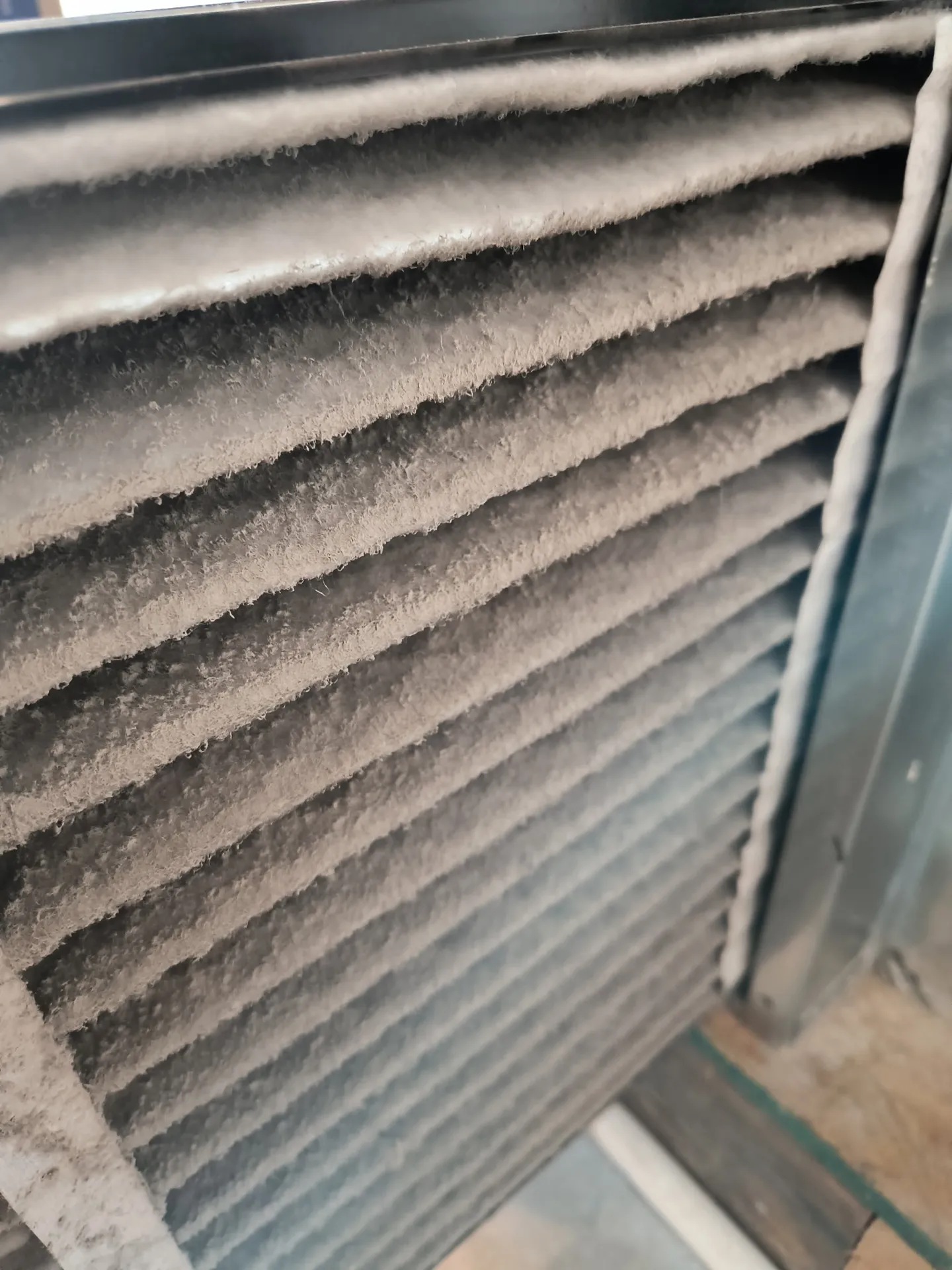
Proper ventilation means bringing in fresh outdoor air and exhausting stale indoor air. Modern homes are built tight for energy efficiency, but this requires intentional ventilation — either through passive systems (windows, vents) or active systems (bathroom/kitchen exhaust fans, whole-home ventilation systems like ERV/HRV). Air filtration complements ventilation by removing particles from recirculated air. A MERV-13 furnace filter or a standalone air purifier with HEPA filtration can capture very small particles, including some allergens and pollutants.
Utah air quality challenges
Northern Utah faces unique air quality challenges: winter inversions (cold air trapped under warm air) trap pollution in the Salt Lake Valley, creating hazardous air quality days. Summer wildfire smoke from surrounding regions increases outdoor particulate matter. Radon levels are moderate to high in some Utah areas due to geology. High altitude (Salt Lake City is 4,200 feet) and dry climate affect humidification needs. Improving IAQ in Utah means accounting for seasonal pollution challenges and using mechanical ventilation, high-quality filters, and in some cases, air purification systems.
Have questions? We're here to help.
Our licensed technicians serve Utah County, Salt Lake County, and surrounding areas.
Official Resources
Talk to a licensed technician about your specific situation — no pressure, no obligation.
Call (801) 407-9320