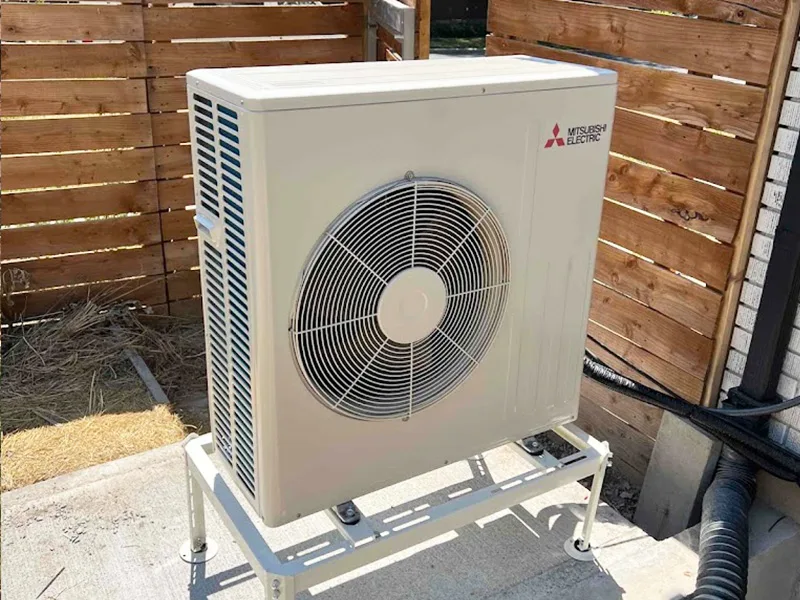
Heat Pumps in Utah: The Complete Guide
Yes, they work in cold climates — here's the data
How heat pumps work
A heat pump is essentially an air conditioner that can run in reverse. In summer, it moves heat from inside your home to outside (cooling). In winter, it extracts heat from outdoor air and moves it inside (heating). Even when it's cold outside, there's still thermal energy in the air that a heat pump can capture. Modern refrigerant technology and variable-speed compressors have dramatically improved cold-weather performance.
Cold-climate heat pumps and Utah
Older heat pumps lost significant capacity below 30°F, making them impractical for Utah winters. Modern cold-climate heat pumps (also called 'hyper-heat' models) maintain heating capacity down to -15°F or even -22°F. At Utah's typical winter temperatures (15-35°F), these systems operate at 250-400% efficiency — meaning for every 1 unit of electricity consumed, they produce 2.5 to 4 units of heat. No gas furnace can exceed 100% efficiency.
Dual-fuel systems: the best of both worlds
A dual-fuel system pairs a heat pump with a gas furnace. The heat pump handles heating whenever it's more efficient (typically above 25-35°F, which covers 80-90% of Utah's heating hours). During the coldest nights, the system automatically switches to the gas furnace. This approach maximizes efficiency while maintaining reliable heating in any condition. It's the most popular configuration for Utah heat pump installations.
Cost comparison: heat pump vs. gas furnace + AC
A heat pump replaces both your furnace and air conditioner with one unit, so compare the combined cost across both systems rather than each individually. Heat pump systems generally run higher than equivalent furnace + AC systems before rebates, but with available utility rebates, the net cost gap narrows significantly. For real numbers on your home, we'll quote on-site, or use our self-help guide at /self-help. Operating costs depend on your gas and electricity rates. At current Utah utility rates, most homeowners see 20-40% savings on heating costs after switching to a heat pump from a gas furnace.
Types of heat pumps
Air-source heat pumps are the most common and cost-effective option. They exchange heat with outdoor air and are available in ducted (connects to your existing ductwork) and ductless/mini-split (individual wall units) configurations. Ground-source (geothermal) heat pumps exchange heat with the earth through underground loops — extremely efficient (400-600%) but significantly more expensive than air-source systems because of the ground loop work. For most Utah homes, an air-source heat pump provides the best balance of efficiency, cost, and practicality.
Have questions? We're here to help.
Our licensed technicians serve Utah County, Salt Lake County, and surrounding areas.
Official Resources
Related Guides
Talk to a licensed technician about your specific situation — no pressure, no obligation.
Call (801) 407-9320