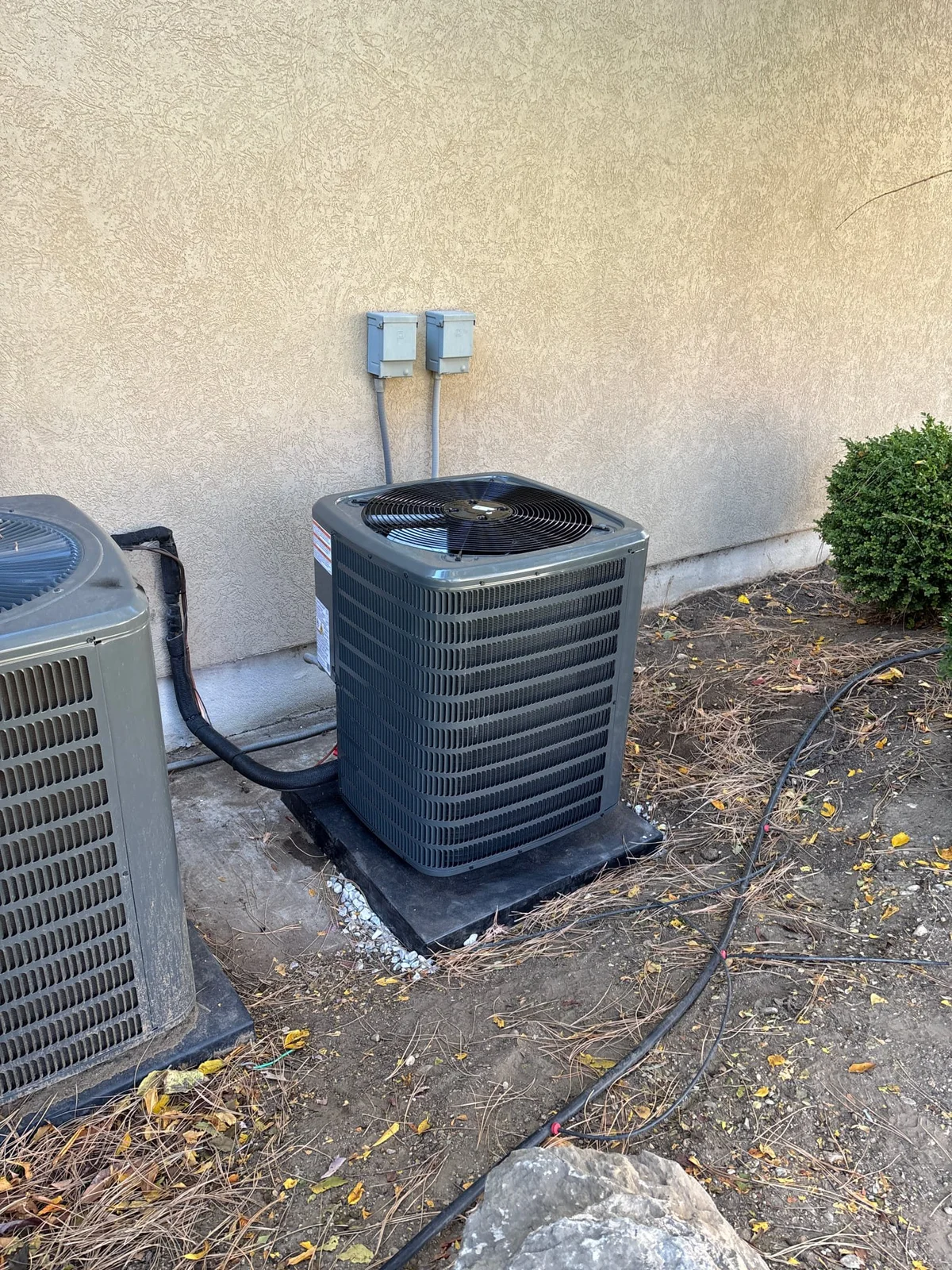
SEER Ratings: AC Efficiency Explained
Understanding efficiency ratings and what they mean for your energy bills
What is SEER?
SEER stands for Seasonal Energy Efficiency Ratio. It measures how efficiently an air conditioner or heat pump cools your home over an entire cooling season. The calculation divides the total cooling output (in BTUs) by the total electrical energy input (in watt-hours) over a typical cooling season. Higher SEER = more cooling per unit of electricity = lower energy bills.
SEER vs. SEER2: the 2023 change
In January 2023, the Department of Energy introduced SEER2, a new testing standard that uses higher-pressure conditions to more accurately reflect real-world performance. SEER2 numbers are about 4-5% lower than SEER numbers for the same equipment. A unit rated SEER 16 under the old standard would be rated approximately SEER2 15.2 under the new standard. This is just a testing change, the actual equipment performance hasn't changed.
What SEER do you need in Utah?
The federal minimum for Utah (Southwest region) is SEER2 14.3 (equivalent to old SEER 15). For most Utah homes, a SEER2 15-16 (SEER 16-17) unit provides good efficiency without the premium price of top-tier equipment. If you have high cooling demands (large home, lots of windows, home office), a SEER2 17+ (SEER 18+) unit may justify the higher upfront cost through energy savings. Variable-speed systems (often SEER 20+) provide the best comfort and efficiency but cost significantly more.
Real-world savings estimates
Upgrading from a SEER 10 (common in pre-2006 units) to a SEER 16 unit can reduce cooling costs by approximately 37%, which pays for the efficiency upgrade over the system's lifetime. Upgrading from SEER 14 to SEER 18 saves about 22% on cooling costs. The higher the starting SEER, the smaller the incremental savings from upgrading further. Always calculate your specific payback period before paying extra for high-SEER equipment.
EER vs. SEER: peak performance
EER (Energy Efficiency Ratio) measures efficiency at a single point, typically 95°F outdoor temperature at full load. This is important for Utah because we regularly hit 95-105°F in summer. A system can have a high SEER (good average performance) but mediocre EER (poor peak performance). For Utah's hot summers, pay attention to both ratings. A good EER for residential equipment is 12+.
Have questions? We're here to help.
Our licensed technicians serve Utah, Salt Lake, Davis, Wasatch and Summit counties plus the Tooele Valley.
Official Resources
Related Guides
Talk to a licensed technician about your specific situation, no pressure, no obligation.
Call (801) 407-9320