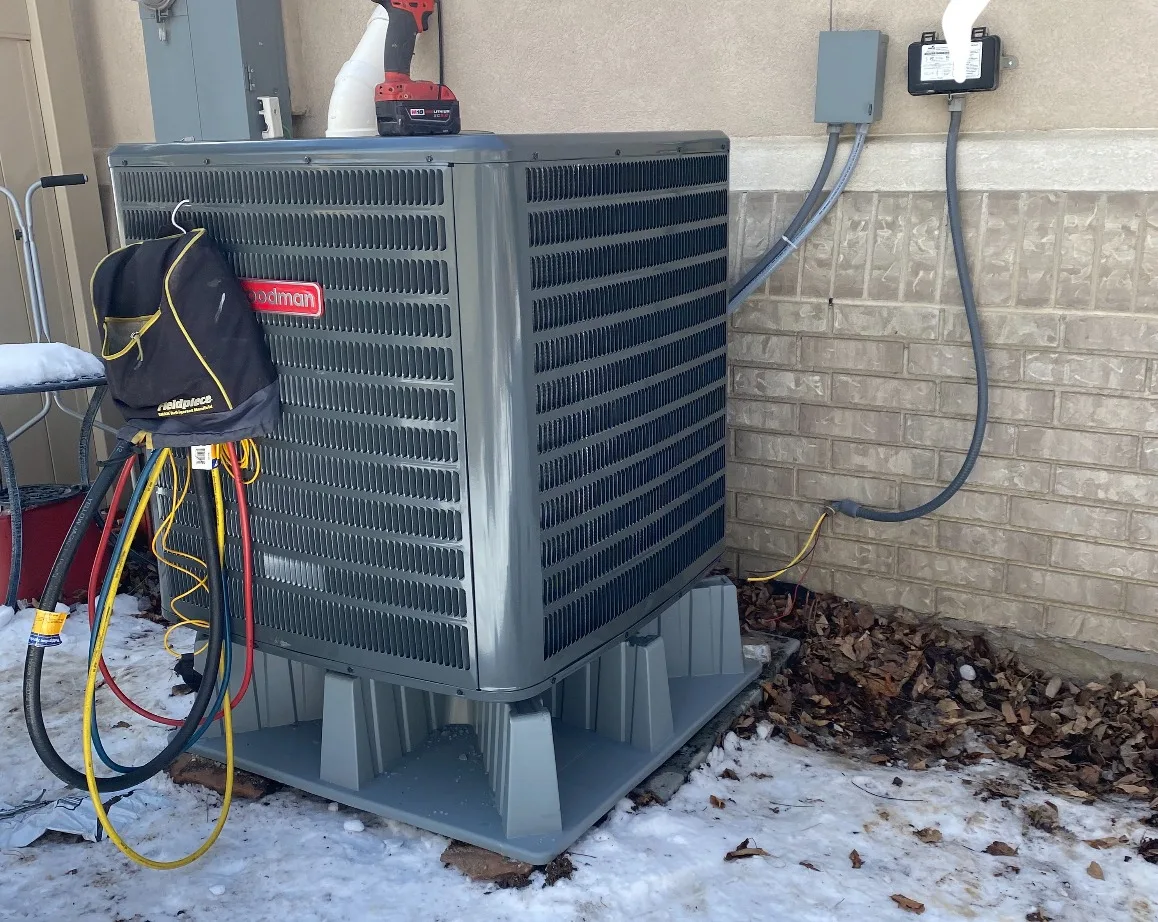
An AC tune-up in Utah typically costs $99–$249 for a single visit and $39–$89 as a seasonal special from reputable contractors. A real tune-up is a 60–90 minute, 14-point service with measured readings (capacitor, amp draw, refrigerant superheat, static pressure) and a written report. The price tag isn’t the test — the checklist is.
2026 AC Tune-Up Prices in Utah
| Tune-Up Type | Typical Utah Price | What’s Included |
|---|---|---|
| Seasonal special (spring/fall) | $39–$89 | Full 14-point checklist if reputable; partial inspection if bait pricing |
| Single full-price visit | $99–$249 | 14-point checklist, written report, photos |
| Annual maintenance plan (spring + fall) | $149–$299/year | Both visits + repair discount + priority scheduling + waived diagnostic |
| Bait “tune-up” (avoid) | $19–$49 | Sales visit with a clipboard — no checklist, no measurements, high upsell pressure |
Source: At Your Service Pros pricing data and competitor research across Utah and Salt Lake County (Spring 2026).
The one-question test
Ask any company for their written tune-up checklist before they show up. An honest special survives that question; a bait special doesn’t.
Why Most Cheap Tune-Ups Aren’t Real Tune-Ups
A licensed HVAC technician’s true cost — wages, truck, insurance, tools — is several times what a deeply discounted visit brings in. The math doesn’t work unless something else pays for the visit.
The bait version: the tech is on a commission structure that pays out on parts and replacements, not maintenance hours. The cheap visit is a foot-in-the-door, and the path to break-even is finding a problem to fix. A capacitor at 95% of spec gets called “weak,” a compressor with a normal startup whine gets called “on its way out,” and refrigerant gets “topped off” on a system that’s fine. We’ve watched it happen on units we’d serviced two months prior.
The honest version: the company eats the difference as a marketing cost, pays the tech either way, and runs the same full checklist as a full-price visit. That’s how we run our $39 special — no commission riding on what the tech “finds.”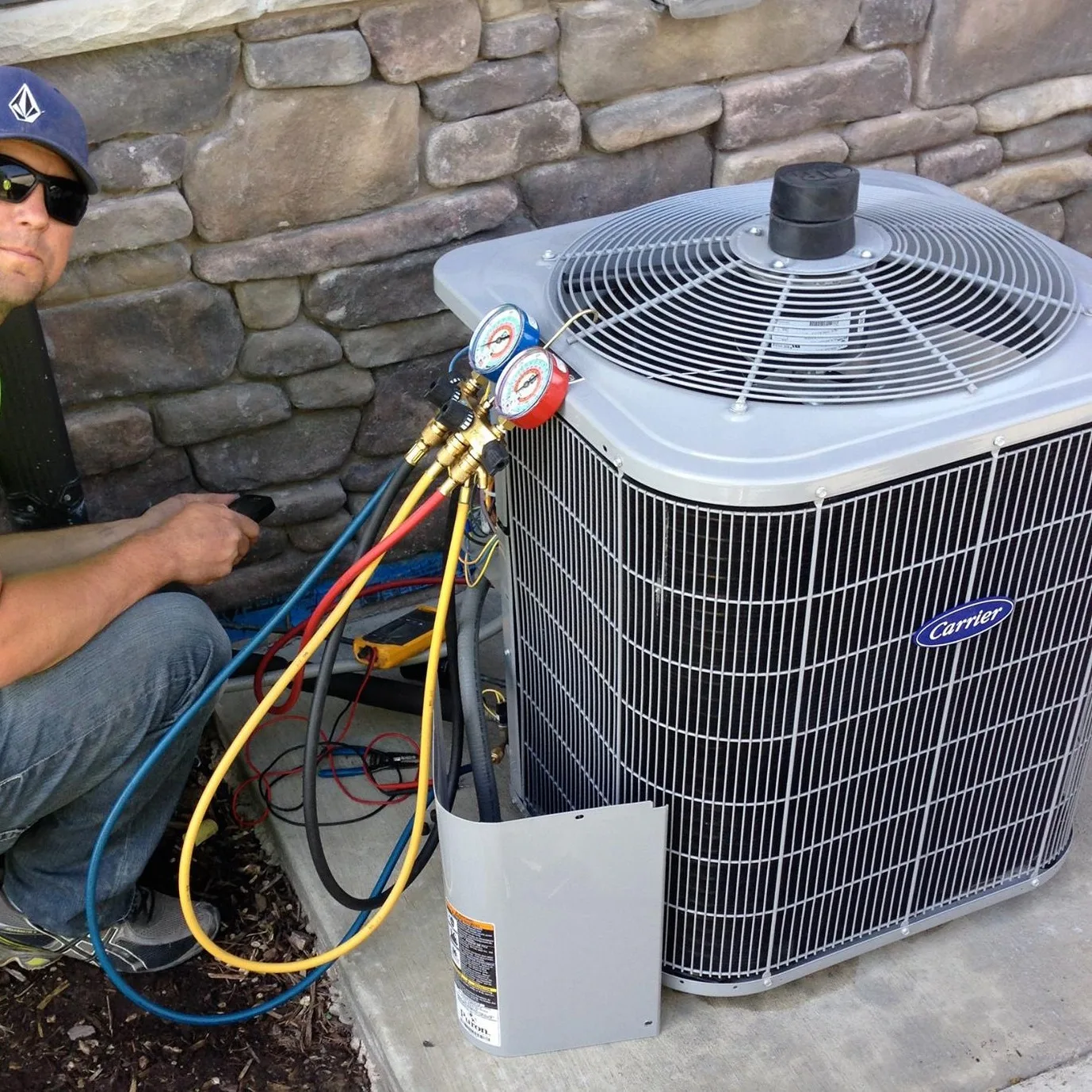
What a Real AC Tune-Up Includes: the 14-Point Checklist
Here’s the checklist we run on every visit — Service Partner Plan members, the $39 spring special, and full-price single visits all get the same one:
- Visual inspection of the outdoor unit, refrigerant lines, electrical disconnect, condensate line, and indoor air handler — documented with photos.
- Capacitor microfarad reading. Below 90% of spec gets replaced before summer finishes it.
- Contactor inspection for arcing, pitting, sticking.
- Compressor amp draw at startup and steady state vs nameplate.
- Condenser fan motor amp draw + bearing test.
- Refrigerant charge verification via superheat/subcooling. We do not top off without verifying a leak first — EPA Section 608 prohibits it.
- Coil cleaning with non-acidic cleaner if needed. (See our cottonwood post.)
- Indoor evaporator coil inspection.
- Drain pan + condensate line clearing — the #1 cause of mid-summer ceiling leaks.
- Static pressure measurement across the air handler.
- Filter check and documentation.
- Thermostat calibration verification.
- Temperature split across the indoor coil (should be 18–22°F).
- Written report with photos, items prioritized as fix now / watch / fine.
How to Read a Tune-Up Offer in Utah
- A low price with no published checklist. “We’ll inspect your AC” without a written list of measurements is a sales visit with a clipboard.
- No mention of measurements. No capacitor readings, amp draws, refrigerant pressures, or static pressure = a glance, not a tune-up.
- “Free” refrigerant top-off. Either they’re not adding any, or they’re masking a leak that needs fixing.
Where the Real Money Saves: Service Partner Plans
If you tune up both AC (spring) and furnace (fall) — which Utah’s climate warrants — an annual maintenance plan typically costs less than the two visits separately, and adds a repair discount, priority scheduling, and waived diagnostic fees.
Bottom Line
The price tag doesn’t tell you whether a tune-up is real — the checklist does. $39 with the full 14 points and a written report is a great deal; the same price with a glance and an upsell is the most expensive “discount” in HVAC. Book our $39 spring AC tune-up while slots last — photo-documented report the same day.
Related HVAC services
Need Help With This?
Our team is ready to help with expert hvac services across Utah.