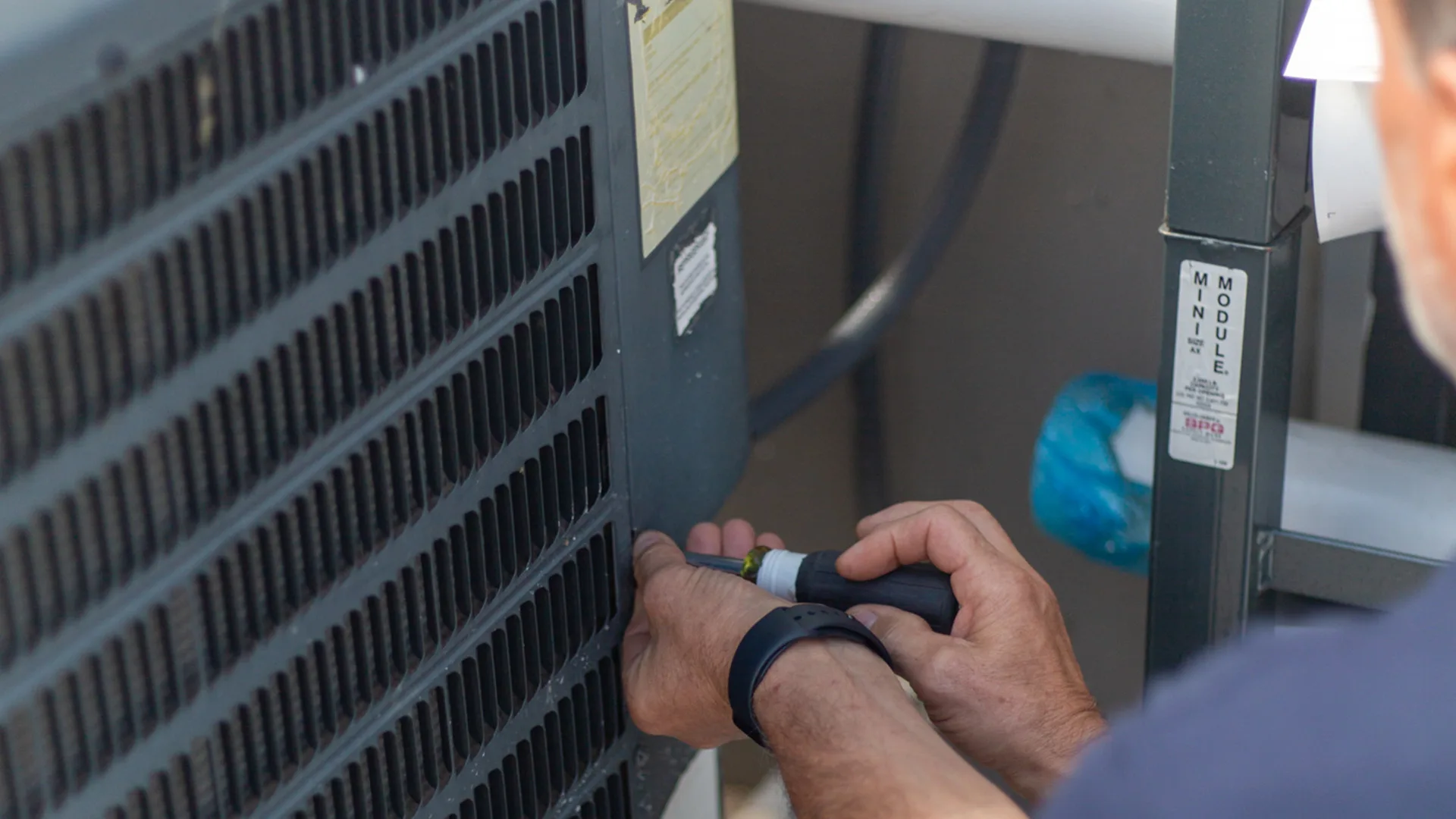
Why Is My AC Blowing Warm Air? (Utah Diagnostic Guide)
AC running but the air feels warm? Here are the most likely causes for Utah homes, what you can check yourself in 5 minutes, and when to call us before it gets worse.
Quick answer
Usually this is thermostat set to fan-only or heat, outdoor unit not running (breaker, contactor, capacitor), or dirty air filter or blocked indoor coil, listed in the order we actually find them in Utah homes. ~50% of 'AC blowing warm' calls in Utah trace to thermostat settings, a tripped breaker on the outdoor disconnect, or a clogged filter — three things you can check in five minutes before calling. Run the safe checks below first; if the fix isn't one of them, a licensed tech can diagnose it on-site for a $79 dispatch and diagnostic fee, waived when you approve the repair.
An AC blowing warm air almost always falls into one of five categories: a control issue (thermostat or settings), a power issue (tripped breaker on the outdoor unit), an airflow issue (filter or coil), a refrigerant issue (leak or low charge), or a compressor failure. The good news: about half the time it's the first three — fixable in minutes by the homeowner. Here's how to figure out which it is.
Diagnostic
Most likely causes (in order)
Walk through the list top-to-bottom. The first cause matches roughly half of cases we see in Utah; if it doesn't fit your symptoms, move to the next.
Thermostat set to fan-only or heat
If the thermostat is set to FAN ON or HEAT, the system runs the air handler but doesn't engage the compressor. Air feels neutral or warm. Check the thermostat first — this fixes a meaningful percentage of 'AC not cooling' calls.
Outdoor unit not running (breaker, contactor, capacitor)
If you can see the outdoor condenser fan spinning, the unit has power. If it's dead silent and the indoor blower is running, you have a power problem at the disconnect or panel. Common causes: tripped breaker, failed dual-run capacitor, or stuck contactor.
Dirty air filter or blocked indoor coil
Severely clogged filter starves the indoor evaporator coil of airflow. The coil freezes solid (which still feels cold) but no air gets through to the registers. You feel warm air at the vents and a cold ice block when you pull the filter.
Low refrigerant (leak)
Refrigerant doesn't get used up — it leaks out. Common Utah causes: vibration loosening Schrader valves, corrosion at the evaporator coil, or factory weld defects on units 8+ years old. Symptoms: cold lineset, ice on the suction line at the outdoor unit, hissing sound near the AC.
Failed compressor
The compressor is the most expensive component. When it fails, the outdoor unit hums or buzzes briefly then quits. Replacement on a unit older than 10 years usually doesn't make economic sense — full system replacement is the answer.
DIY first
Safe checks you can do today
Each step is labeled by safety level. Stop at any “Pro only” step — that's where the diagnostic crosses into work that needs gauges, multimeters, or live electrical access.
Verify thermostat is set to COOL and the temperature is below room temp
Safe DIYSounds obvious. Mistakes happen, especially after smart-thermostat updates or schedule changes. Check the mode AND the setpoint.
Walk to the outdoor condenser and listen
CautionIf the fan is spinning and the unit is humming, power is fine. If it's silent, you likely have a tripped breaker (panel) or pulled disconnect at the wall next to the condenser. Try resetting the breaker ONCE — if it trips again immediately, stop and call.
Pull and inspect the air filter
Safe DIYIf it looks like a gray pancake, replace it. Run the system 30 minutes and re-check airflow. If the indoor coil was iced over, it may take 4–6 hours to fully thaw before the system runs normally again.
Look at the outdoor unit's coil
Safe DIYIf the side panels (the aluminum fins) are caked with cottonwood, dust, or grass clippings, gently rinse with a garden hose on a low setting from inside the cabinet outward. See our cottonwood-cleaning guide.
Stop here if the system still blows warm
Pro onlyIf you've checked thermostat + power + filter + coil and the AC still blows warm, you almost certainly have a refrigerant or capacitor problem. Both require gauges and a multimeter. Call us — $79 diagnostic, waived when you approve the repair.
Stop and call
When you should call us instead
- Breaker trips immediately when reset — electrical fault
- You hear hissing or smell a chemical odor near the outdoor unit — refrigerant leak
- Outdoor unit hums then shuts off after 5–10 seconds — failed capacitor or compressor
- Indoor coil is frozen solid and refuses to thaw within 6 hours of running fan-only
- AC is over 12 years old AND any of the above — schedule an evaluation, not a repair
Not sure if it's a real problem?
Our AI walks you through the same triage a senior tech would — figures out whether you need a service call or whether it's something simpler you can handle yourself. Or skip ahead and book a diagnostic visit.
FAQ
Frequently asked questions
Why does my AC blow cold in the morning but warm in the afternoon?
+
Two common Utah causes. (1) Refrigerant level is borderline — the system can pull enough latent heat in cooler morning weather but can't keep up at 95°F. (2) The condenser is partially blocked (cottonwood, dust) — efficiency drops as outdoor temp rises and the unit can't dump heat fast enough. Both are fixable; the first costs more.
Can I add refrigerant myself?
+
No. EPA Section 608 requires a licensed technician to handle refrigerant. Adding it without finding the leak is illegal AND wasted money — refrigerant doesn't 'get used up' so if you're low, you have a leak that needs repair first.
How long can I run my AC if it's blowing warm?
+
Don't. A unit running with low refrigerant or restricted airflow stresses the compressor — the most expensive component. Compressor failures are major repairs, and an aging system that hits a compressor failure usually needs full replacement. Shut it off until diagnosed.
Related
More diagnostic guides
Other common Utah-home symptoms with the same step-by-step diagnostic format.
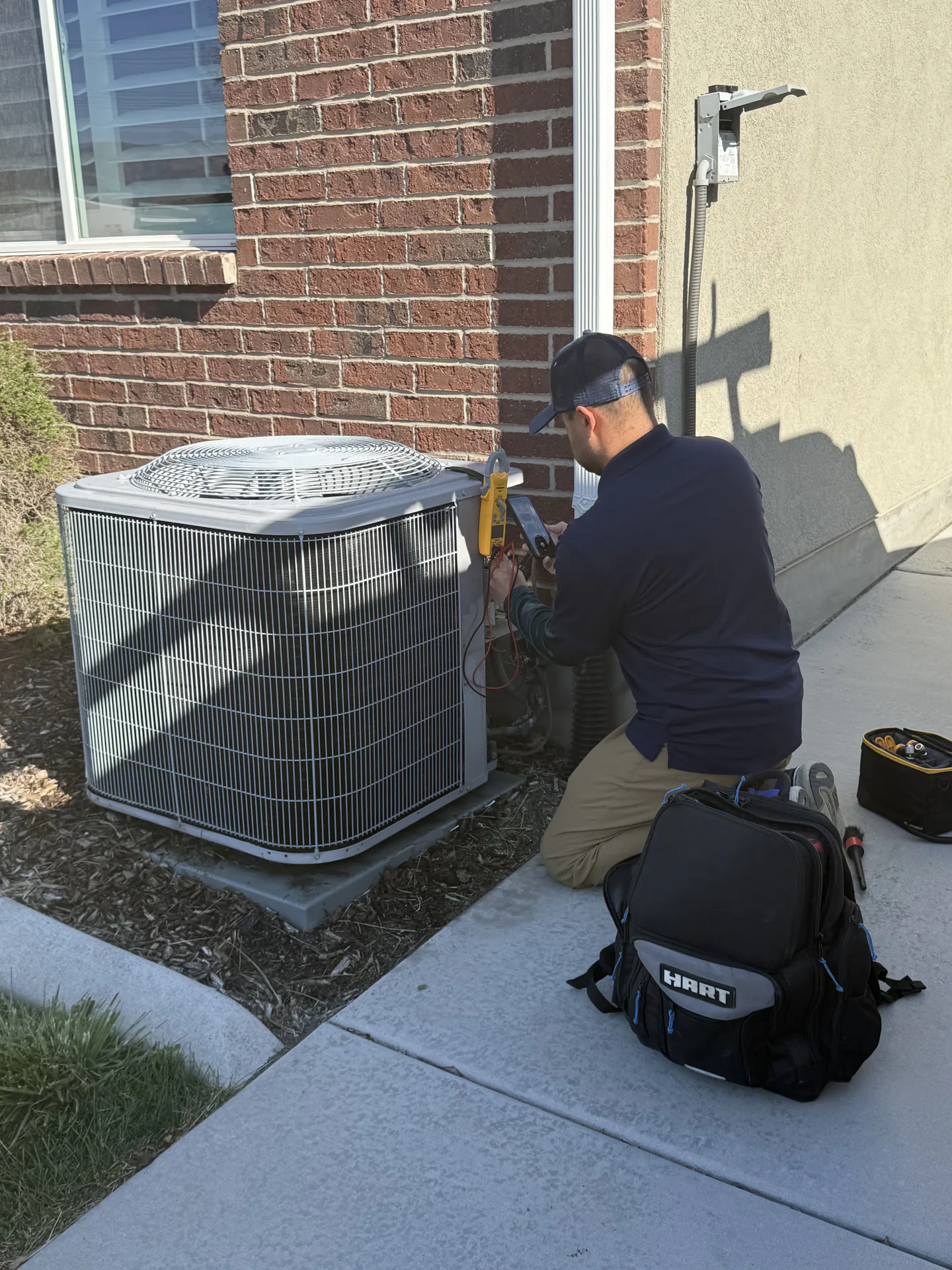
AC Not Cooling at All? Utah Diagnostic Guide
AC running but barely cooling — diagnostic flowchart and triage.
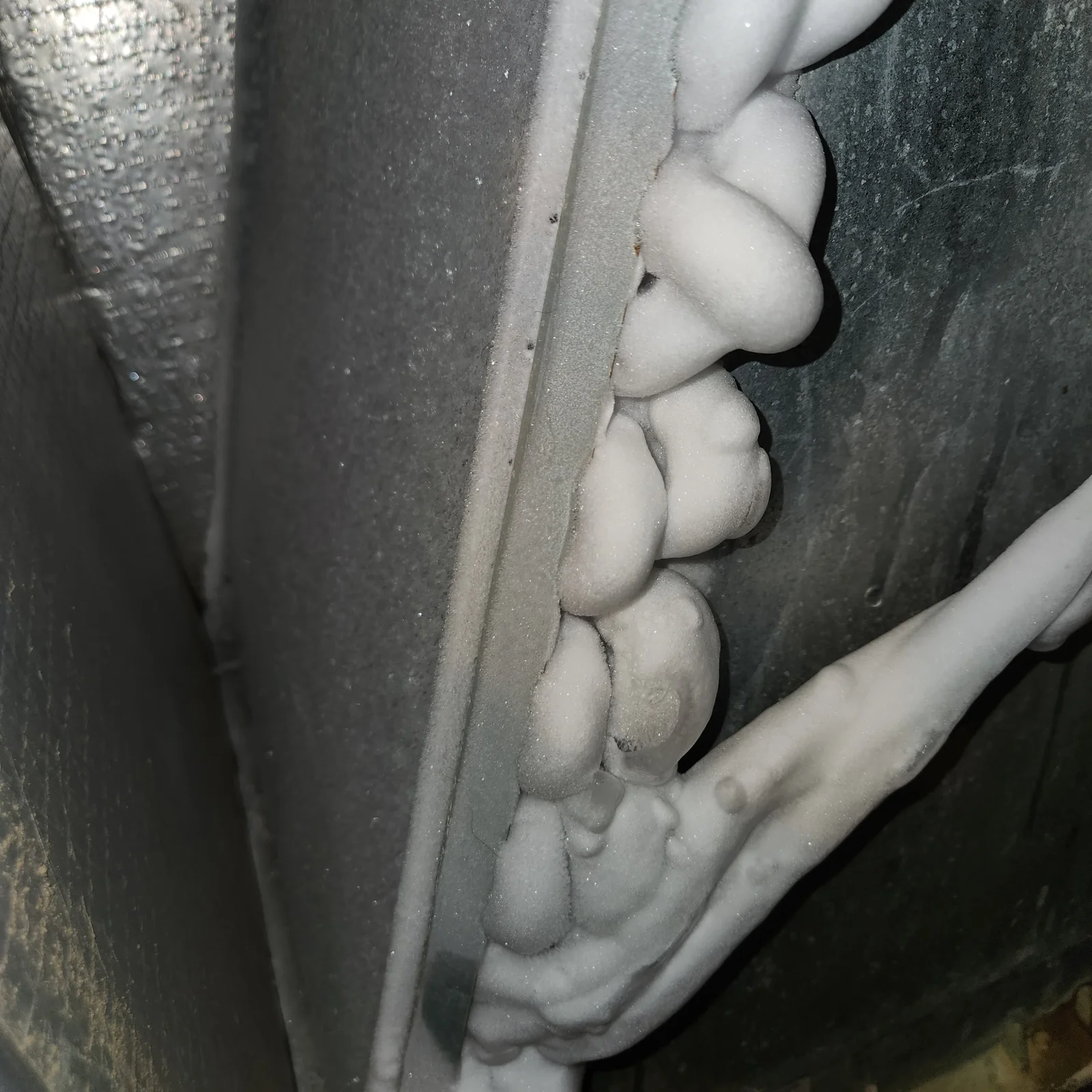
Frozen AC Coil: What It Means and How to Fix It
Ice on the AC = airflow or refrigerant problem. Here's the fix.
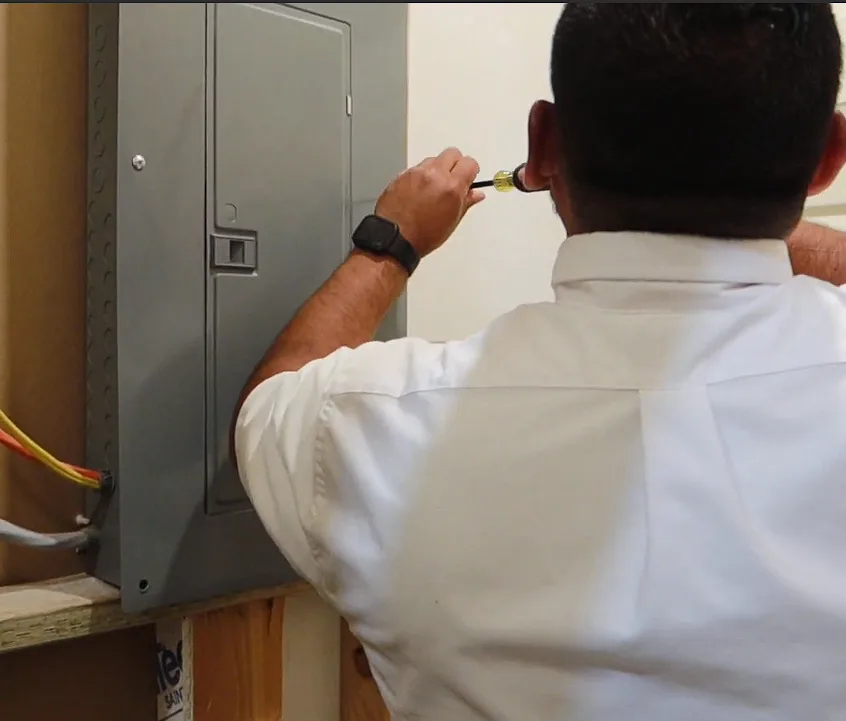
Why Are My Utah Energy Bills So High? HVAC Diagnostic
Bill up with no usage change? Top HVAC + plumbing + electrical causes.