Drain Backed Up? Quick Diagnostic for Utah Homes
Single drain or whole-house backup? Here's how to figure out where the clog is and whether DIY clearing is safe before you escalate.
Quick answer
Usually this is hair / soap clog at sink or tub trap, grease + food in kitchen line, or tree-root intrusion in main sewer line, listed in the order we actually find them in Utah homes. Run the safe checks below first; if the fix isn't one of them, a licensed tech can diagnose it on-site for a $39 dispatch fee, waived when you approve the repair.
Drain backups are simple in concept: one drain = local clog; multiple drains = main line clog; toilet plus tub backing up at the same time = sewer line problem (root infiltration or break). The faster you triage, the cheaper the fix.
Diagnostic
Most likely causes (in order)
Walk through the list top-to-bottom. The first cause matches roughly half of cases we see in Utah; if it doesn't fit your symptoms, move to the next.
Hair / soap clog at sink or tub trap
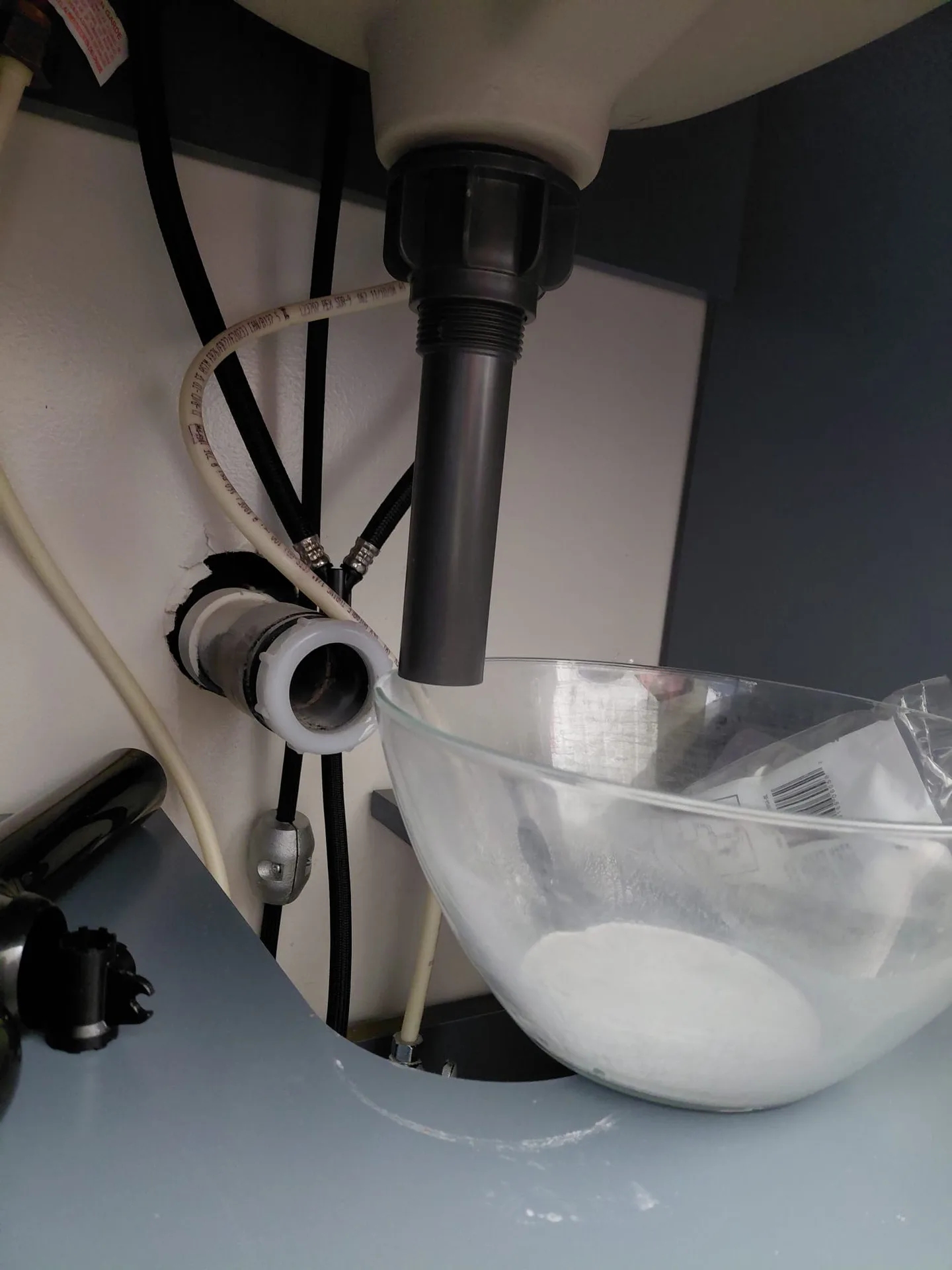
Single bathroom fixture, slow drain. Hair binds with soap residue at the trap or just past it.
Grease + food in kitchen line
Kitchen sink only. Grease coats the inside of the line over months; food particles catch on it; eventually flow restricts to a trickle.
Tree-root intrusion in main sewer line
Multiple fixtures backing up — particularly when tubs and toilets are affected together. Roots find joints in clay or cast-iron sewer lines and grow inside. Common in pre-1980 Utah homes.
Mineral / scale buildup
Utah hard water deposits calcium inside drain lines. Combined with grease + soap = a hardened restriction. Often requires hydro jetting, not just snaking.
Collapsed or broken sewer line
Multiple backups, gurgling, sewer smell, water backing up into the lowest fixture in the house (basement drain or tub). Excavation or trenchless replacement needed.
DIY first
Safe checks you can do today
Each step is labeled by safety level. Stop at any “Pro only” step — that's where the diagnostic crosses into work that needs gauges, multimeters, or live electrical access.
Identify which drains are affected
Safe DIYOne sink: local. Multiple: main line. Toilet + tub at the same time: sewer line. The pattern tells you where to start.
Use a hand-cranked drain snake (single fixture only)
Caution$15 from any hardware store. 25-foot cable. Reaches most local clogs in sinks, tubs, toilets. Don't use on the main line — too short.
Pour boiling water + dish soap (kitchen sink only)
Safe DIYLoosens grease. Works on partial clogs caught early. Don't try this if the drain is fully blocked — water sits in the sink.
Stop using all drains and call (whole-house backup)
Pro onlyContinuing to use water will back up into the lowest fixture in the house. Time to call.
Stop and call
When you should call us instead
- Multiple fixtures backing up — main line or sewer issue
- Toilet AND tub backing up together — sewer line problem
- Gurgling sound in fixtures across the house — sewer venting / line issue
- Recurring backups every 6–12 months — almost always tree roots or pipe damage
Not sure if it's a real problem?
Our AI walks you through the same triage a senior tech would — figures out whether you need a service call or whether it's something simpler you can handle yourself. Or skip ahead and book a diagnostic visit.
FAQ
Frequently asked questions
Should I use chemical drain cleaners?
+
We don't recommend it. Liquid drain cleaners can damage older pipes (especially galvanized + cast iron), and if the clog is solid, the chemicals sit on top and don't reach it. They're also nasty for the technician who eventually has to clear the drain by hand.
What's the difference between snaking and hydro jetting?
+
Snaking pushes a cable through the clog and breaks it up — works for soft material. Hydro jetting uses 3,500+ PSI water to scour the entire pipe inside surface, removing scale, grease, and root masses. Hydro jet is the right tool for recurring backups, root intrusion, and hardened buildup.
Related
More diagnostic guides
Other common Utah-home symptoms with the same step-by-step diagnostic format.