Water Heater Leaking? Where & Why It Matters
Water on the floor under your heater? Here's how to identify whether it's a fixable connection leak or a tank leak that requires replacement.
Quick answer
Usually this is tank leak (corrosion failure), T&P (Temperature & Pressure) relief valve discharge, or loose drain valve, listed in the order we actually find them in Utah homes. Run the safe checks below first; if the fix isn't one of them, a licensed tech can diagnose it on-site for a $39 dispatch fee, waived when you approve the repair.
Water heater leaks fall into two categories: fixable (connection, valve, T&P) and not-fixable (tank). The location of the water tells you almost immediately which it is.
Diagnostic
Most likely causes (in order)
Walk through the list top-to-bottom. The first cause matches roughly half of cases we see in Utah; if it doesn't fit your symptoms, move to the next.
Tank leak (corrosion failure)
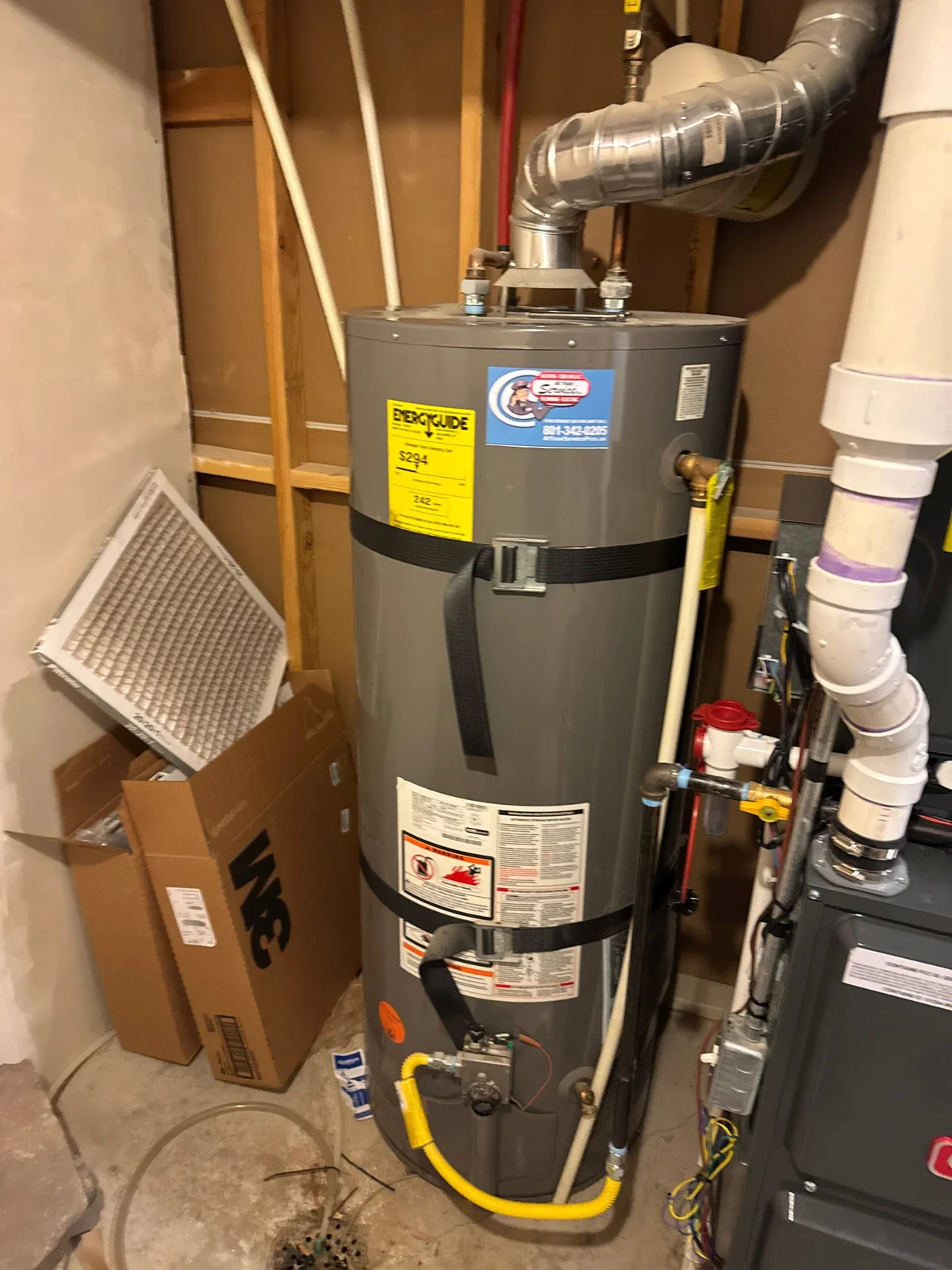
Water under the heater itself, dripping from the bottom seam. Internal anode rod is exhausted, tank wall has rusted through. NOT REPAIRABLE — replacement only. Common at 8–12 years in Utah.
T&P (Temperature & Pressure) relief valve discharge
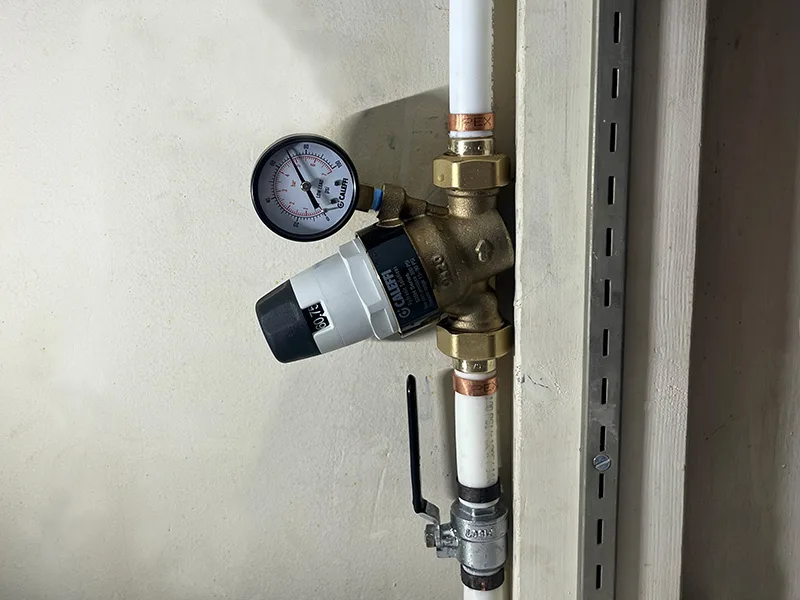
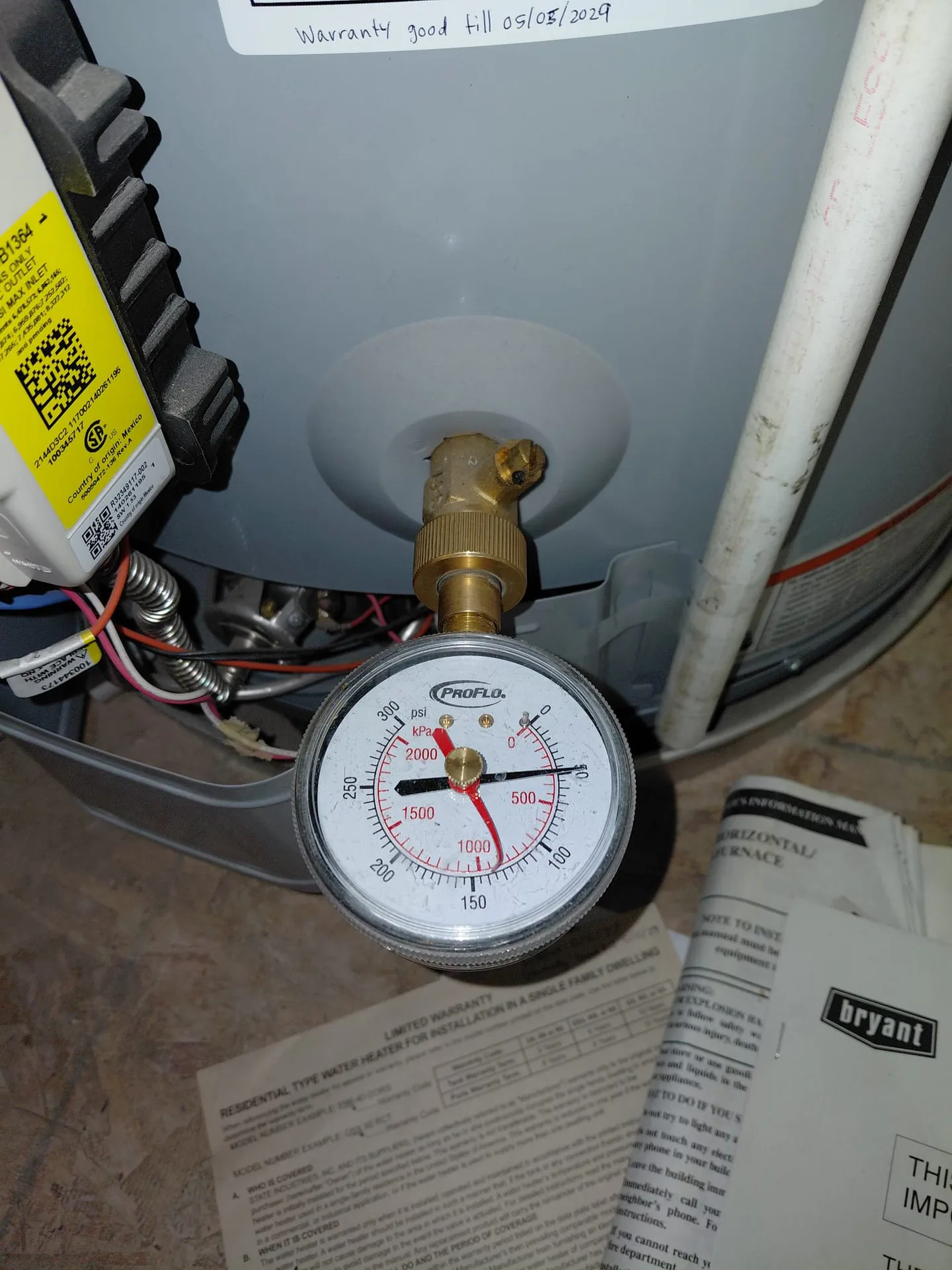
The T&P valve releases water if pressure or temp exceeds safe limits. Discharge from this valve = a real safety event. Either pressure is too high (failing expansion tank or PRV) or thermostat is set too high.
Loose drain valve
Bottom-front of tank has a hose-bib drain valve. Dripping = the rubber washer failed or the valve was loosened during a flush.
Supply line / connection leak
Top of tank where cold-in and hot-out connect. Often a corroded copper-to-galvanized union or a loose flex connector.
Condensate from high-efficiency unit
Power-vent and condensing tankless models produce condensate during operation — a thin clear puddle near the unit is normal IF there's a condensate drain line. Should be plumbed to the floor drain.
DIY first
Safe checks you can do today
Each step is labeled by safety level. Stop at any “Pro only” step — that's where the diagnostic crosses into work that needs gauges, multimeters, or live electrical access.
Identify where water is coming from
Safe DIYWipe the floor dry, place paper towels around the heater, run hot water for 5 minutes. The first wet spot tells you the leak source.
Shut off cold-water supply if leak is severe
Safe DIYLever above the heater, or main shutoff at the meter. Stops new water entering the tank — buys time without flooding.
Shut off gas (gas) or breaker (electric) if tank is empty
CautionRunning the heater empty burns out elements/burners. Critical step if you're shutting off water.
Tighten loose drain valve or supply connections
CautionIf leak is at a fitting, gentle wrench-tightening (1/4 turn) often stops it. Don't over-tighten — cracks the valve.
Stop and call
When you should call us instead
- Water is from the tank itself (bottom seam) — needs replacement today
- T&P discharge — could indicate pressure or temp problem; needs diagnosis
- Heater is 8+ years old AND leaking — replacement is the right call vs. patch repair
- Leak has caused floor damage — schedule emergency service
Not sure if it's a real problem?
Our AI walks you through the same triage a senior tech would — figures out whether you need a service call or whether it's something simpler you can handle yourself. Or skip ahead and book a diagnostic visit.
FAQ
Frequently asked questions
Can I patch a leaking tank?
+
No. A tank leak means the steel wall is corroded. Any patch is temporary at best, and the next failure is usually catastrophic (50 gallons of water on the floor). Replace.
How fast can a leaking water heater flood my house?
+
Active tank leak from the bottom seam: 1–4 gallons per hour. Catastrophic tank failure: 40–50 gallons in 15–30 minutes. Always have a drip pan with a drain line on tanks installed in living areas.
Related
More diagnostic guides
Other common Utah-home symptoms with the same step-by-step diagnostic format.