If you've shopped EV charger installation in Utah, you've seen the spread: one electrician quotes $1,200, another quotes $2,800, and you're left wondering whether the difference is profit margin or actual scope. Usually it's some of both. Here's the line-item breakdown of what drives Level 2 home EV charging cost in Utah, what's optional, and what's worth paying for.
The Scope of a Real Level 2 Install
A Level 2 home EV charger pulls 30–50 amps at 240 volts (versus 12–16 amps at 120V for a Level 1 cord). That tier requires a dedicated 240V circuit, properly-sized wire, a hardwired connection or NEMA 14-50 outlet, and panel capacity to spare. The actual install scope:
- Site walk + load calculation. Verify panel has capacity for the new circuit. Most 200A panels do; many 100A and 150A panels don't.
- Permit pulled with the city. Required by Utah code for any new 240V circuit. ($60–$180 depending on city.)
- Wire run from panel to charger location. Distance, wire gauge, and routing path drive most of the labor cost.
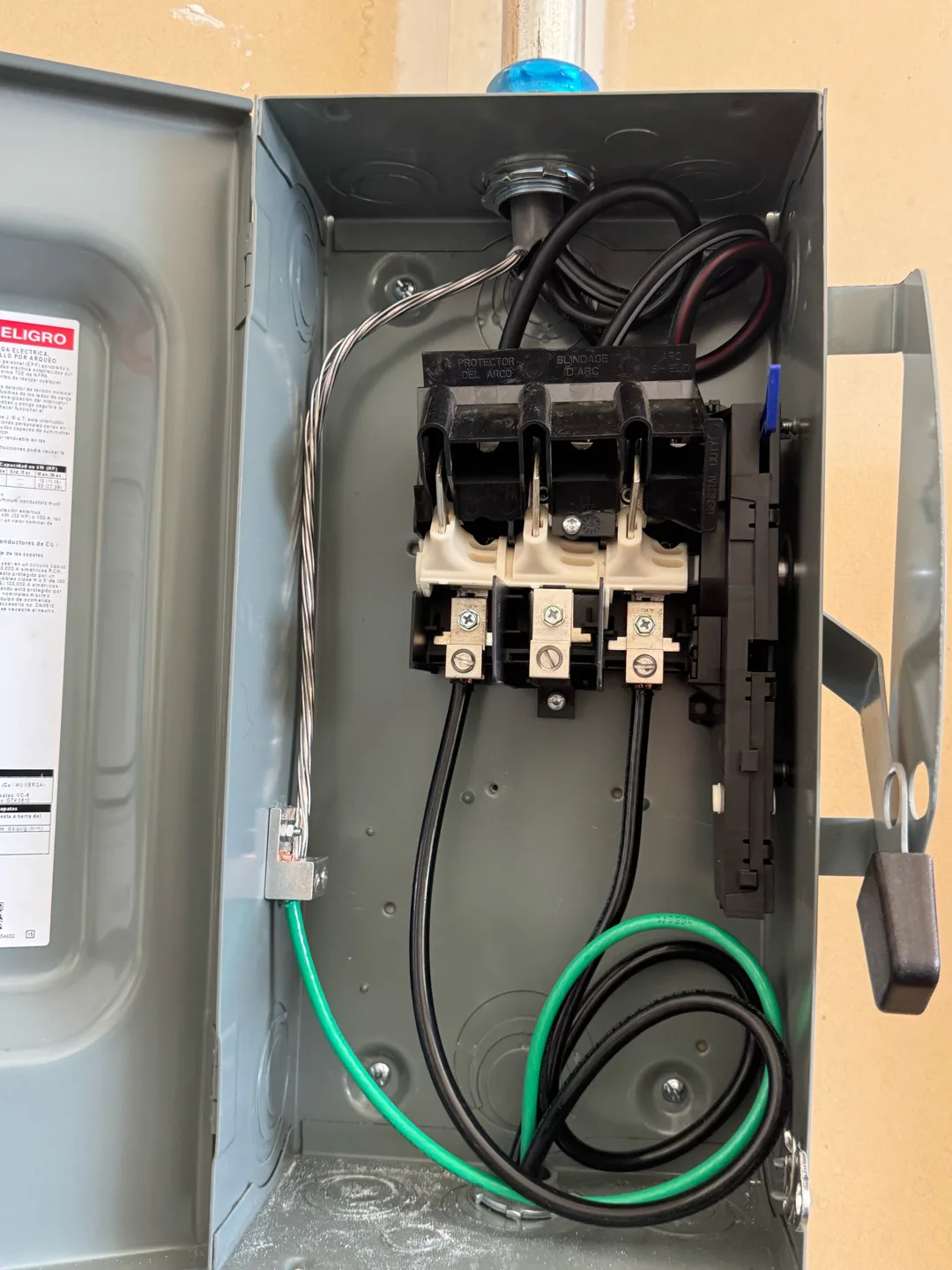
- Breaker installed in panel. 40A or 50A double-pole, depending on charger spec.
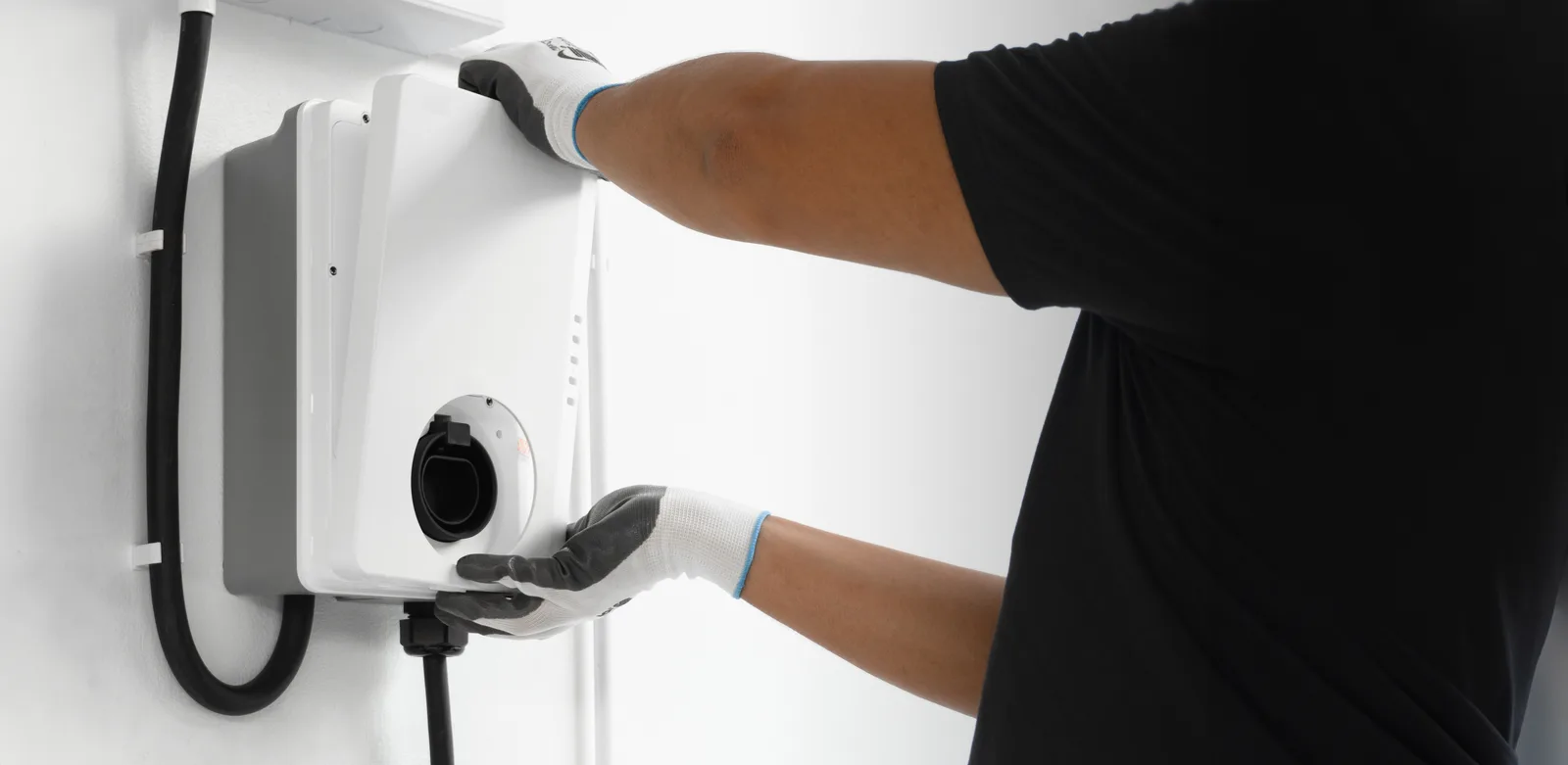
- Charger mounted (or NEMA 14-50 outlet installed if plug-in style).
- Hardwire connection or outlet termination.
- Test + inspection. City inspector verifies before the circuit is energized.
The biggest cost variable
Distance from your panel to the garage wall, and whether the panel has two open slots. Everything else is minor. Send us a photo of your panel and we can usually quote within a few hundred dollars.
What Drives the Cost Spread
Distance from panel to charger
The single biggest variable. A 15-foot run (panel in attached garage, charger on same wall) is <1 hour of wire-pulling. A 60-foot run (panel inside the house, charger in detached garage at the back of the lot) is a half-day of conduit work, possibly through finished walls or an exterior trench. The difference: $400–$1,200 in labor.
Wire gauge and conduit
40A circuit on a short run can use 8 AWG copper inside the conduit. 50A circuit on a long run might need 6 AWG copper, larger conduit, and exterior-rated jackets. Material cost difference: $80–$300.
Panel capacity
If your panel is at or near capacity:
- Smart load management device (Span panel, DCC-9, etc.): $300–$800 added — lets the EV charger share the panel's existing capacity by automatically reducing charging speed when other large loads run.
- Panel upgrade to 200A: $2,400–$4,500 added — only required if you're maxed out and adding heat pump, hot tub, or pool too.
A common Utah finding: 1990s-2000s homes with 150A panels have just enough headroom for the EV charger if nothing else is added. We measure with a clamp meter at multiple points in the day to verify before quoting.
Indoor vs. outdoor mount
Indoor garage mount: standard. Outdoor mount: NEMA 4-rated charger required ($150–$400 more), waterproof conduit and disconnect ($80–$200 more), more careful sealing.
Hardwired vs. plug-in
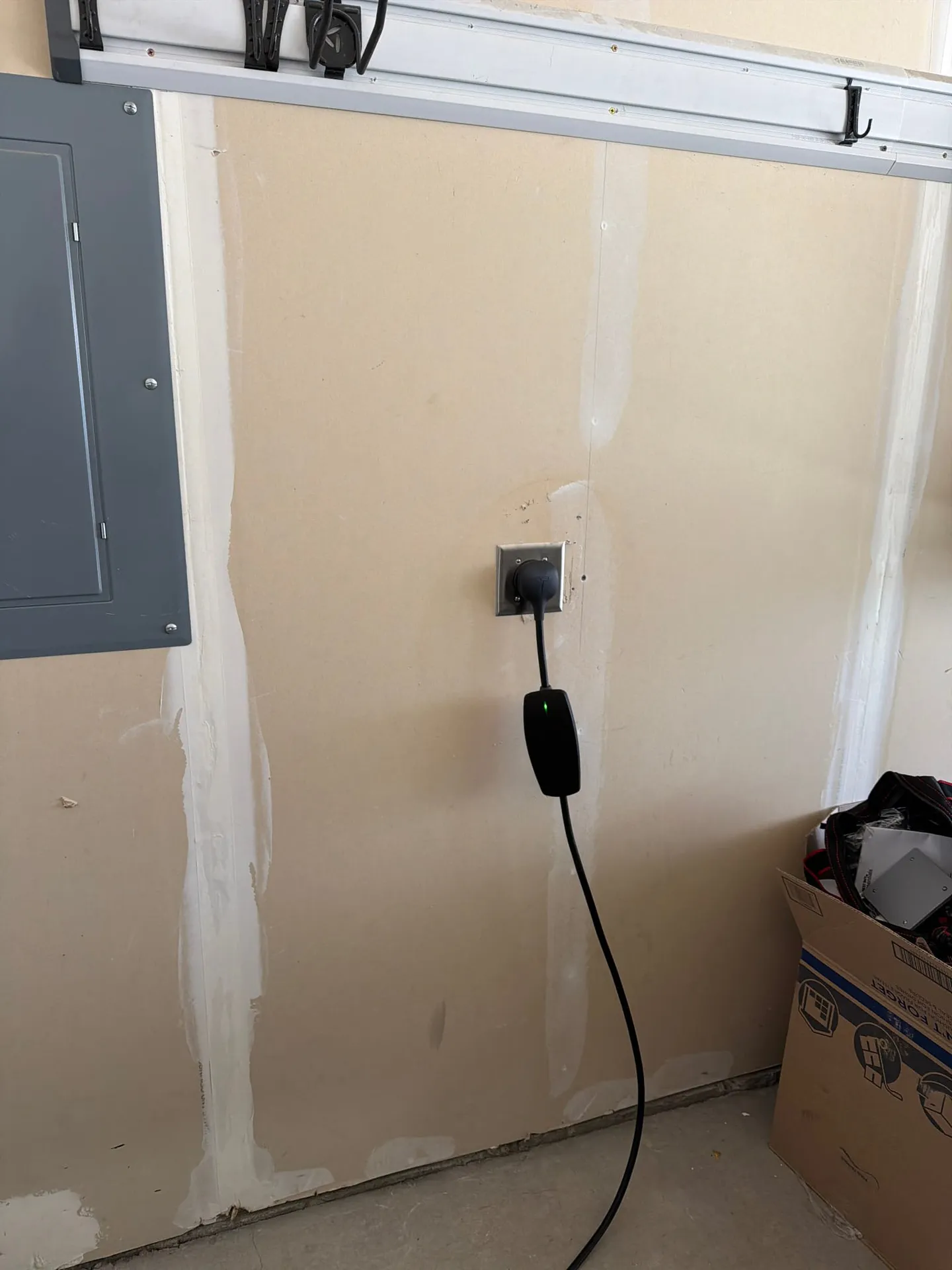
NEMA 14-50 plug-in: cheaper ($60 outlet, $40 cover), 5 minutes faster to install, but limited to 40A and produces an arc-flash when unplugged under load. Some chargers require hardwire (Tesla Wall Connector at 48A, EVSE at 50A+).
Hardwired: $60–$120 more in materials, slightly more labor, supports higher amperage, no arc-flash risk.
For most home installs, hardwired is the right call. Plug-in only makes sense if you plan to take the charger when you move.
Typical Utah Quote Ranges, 2026
| Scenario | Total Installed |
|---|---|
| Short run (<15 ft), 40A NEMA 14-50, panel has capacity | $700–$1,100 |
| Medium run (20–35 ft), 50A hardwire, panel has capacity | $1,200–$1,800 |
| Long run (40–60 ft), exterior conduit, 50A hardwire, smart load device | $2,200–$3,200 |
| Long run + panel upgrade required | $4,500–$6,800 |
Pricing excludes the charger itself ($400–$900 for a quality unit; Tesla Wall Connector ~$475, ChargePoint Home Flex ~$700). Most installers will install a charger you supply; some bundle it.
Red Flags in EV Charger Quotes
- No mention of permit. If a quote doesn't include “permit + inspection,” the work isn't being done to code. When you sell the home or file an insurance claim, this becomes a problem.
- No load calculation. Adding a 50A circuit to a 100A panel without checking total load is how breakers trip on hot summer days when the AC and dryer run together.
- Quote <$500. Either the run is genuinely short (great, get a written scope) or the contractor is unlicensed and the work isn't being inspected. Utah requires a licensed electrician for new 240V circuits.
- “We don't need to see the panel before quoting.” Yes they do. Walk away.
What to Bring to Your Quote
- Charger spec sheet (max amperage, hardwire or plug-in, indoor or outdoor rated).
- Photo of your panel with the dead front off if you're comfortable, or just the inside of the door showing brand + amperage rating.
- Where you want the charger. Take a phone photo of the wall and the path from panel to charger.
- Your other near-term plans. Heat pump? Hot tub? Pool? These affect whether you need a panel upgrade now or can defer.
Bottom Line
The $1,200 vs. $2,800 spread is real, and it's almost always explained by run length, panel condition, and amperage tier. If you have two quotes that differ by more than ~$300 on what looks like the same job, ask each contractor to itemize: how long is the wire run, what gauge, hardwire or NEMA outlet, smart load device or panel upgrade, permit included or not. The numbers will tell you which quote is fair.
Read more about EV charger installation or request a free in-home quote — we walk the panel, measure the run, and write the numbers down so you have something to compare.
Related Electrical services
Need Help With This?
Our team is ready to help with expert electrical services across Utah.