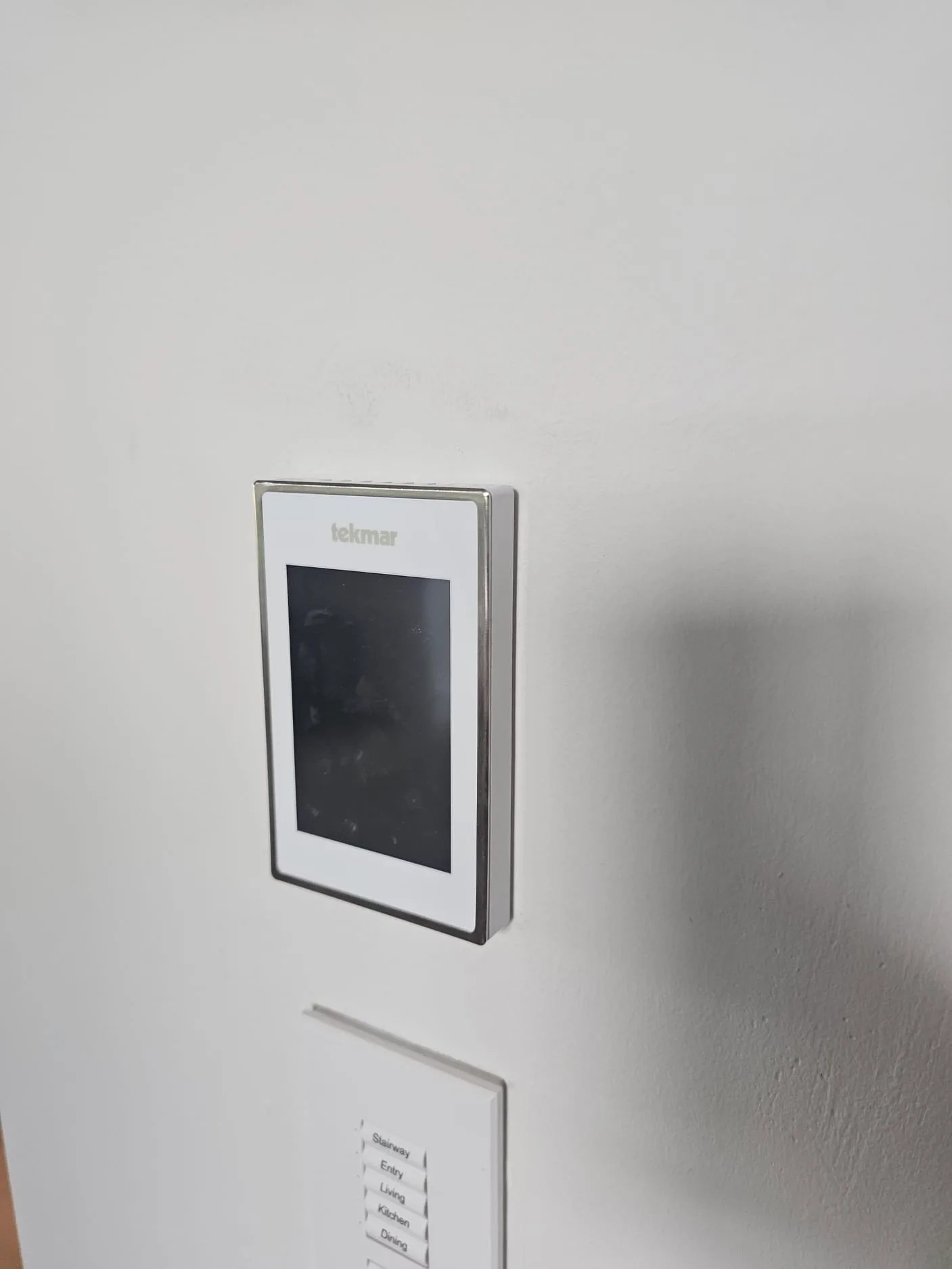
Smart thermostats are one of the easiest ways to improve comfort and reduce energy costs. Unlike traditional programmable thermostats, smart thermostats learn your schedule, adjust for weather, integrate with your phone, and can save 10-15% on heating and cooling costs. We've tested leading models in Utah homes to give you the real story.
Real-world savings
ENERGY STAR puts certified smart thermostat savings around 8% of heating and cooling costs — roughly $50–$100/year for a typical Utah home. They pay for themselves in 2–3 seasons.
Nest Learning Thermostat — Google's Nest learns your schedule within the first week and automatically adjusts temperatures to save energy. It works with most HVAC systems and features a beautiful circular display. Pros: excellent mobile app, works with Google Home, learns occupancy patterns. Cons: requires WiFi to function fully, monthly cloud storage fee for video history if you have Nest cameras, integration with other platforms is limited.
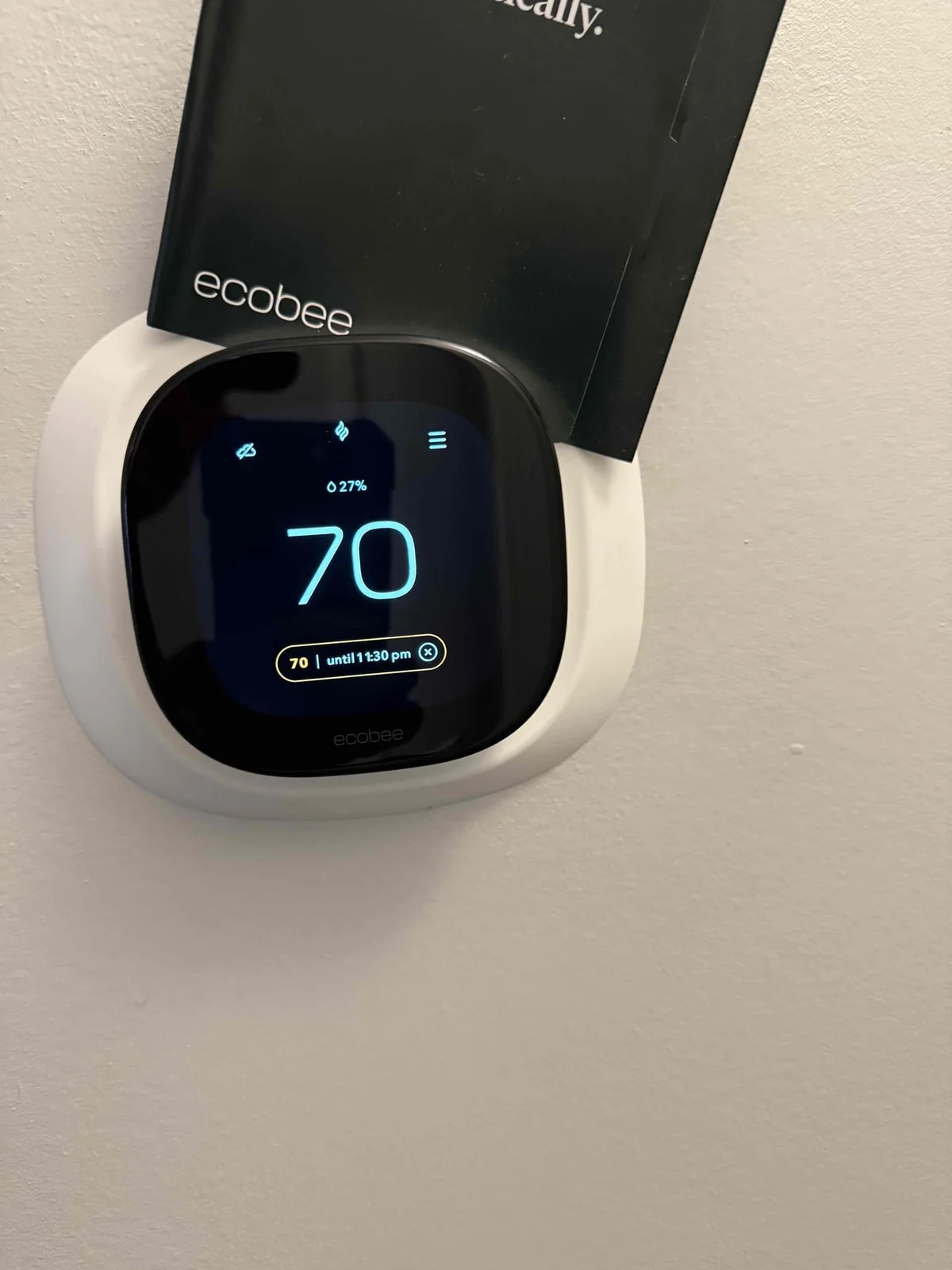
Ecobee SmartThermostat with Voice Control — Ecobee's model includes a built-in Alexa speaker, multiple room sensors, and superior scheduling flexibility. Pros: room sensors ensure every space stays comfortable, excellent HomeKit and Amazon integration, no monthly fees, local control options if WiFi fails, works reliably in Utah's altitude and dry air. Cons: pricier upfront, Alexa speaker quality is modest.
Honeywell Home T9 — Honeywell's offering includes wireless room sensors similar to Ecobee, excellent compatibility with existing Honeywell systems, and strong heating/cooling balance (important in Utah's bipolar seasons). Pros: works with most HVAC systems, room sensors optimize comfort, local control backup, strong app. Cons: learning features less advanced than Nest, requires compatible C-wire or additional equipment.
Emerson Sensi Touch — A solid mid-range option with an intuitive touchscreen, room sensors available, and compatibility with most systems. Pros: simple to use, good mobile app, affordable, works well with heat pump systems. Cons: less "smart" learning than Nest/Ecobee, fewer integrations, smaller ecosystems of supported devices.
Utah-Specific Considerations — Utah's dry air means manual humidification is common. Choose a thermostat that integrates with your humidifier and can activate it based on humidity levels. Many Utah homes are on automated demand-response programs with utility companies; smart thermostats can participate in these programs for additional savings. High-elevation homes in Park City, Summit County, and the Uintas benefit most from room sensors since heat distribution is uneven.
Features That Matter — Remote temperature control (check your home temperature from anywhere), geofencing (automatically adjusts when you leave/return), weather integration (anticipates outdoor temperature changes), HVAC run time tracking (shows energy usage), and compatibility with your existing system (critical—verify before purchasing). Voice control is convenient but not essential.
Cost vs. Savings — Smart thermostats range from $200-$400 installed (including removal of old thermostat). Average savings: 10-15% on heating/cooling, which equals roughly $150-$300/year for most Utah homes. Payback period: 1-2 years, after which it's pure savings. Over a 10-year period, you're looking at $1,000-$2,500 in cumulative savings.
Our recommendation: Ecobee for maximum comfort and flexibility, Nest for simplicity and learning features, Honeywell for existing Honeywell system compatibility. All require professional installation to ensure proper wiring and setup.
Related HVAC services
Need Help With This?
Our team is ready to help with expert hvac services across Utah.