Single-Stage vs Two-Stage vs Variable-Speed Furnace for Charleston, Utah Homes
Furnace staging is where comfort complaints get fixed — and where upsells hide. Here's what each tier actually does for a Utah home, and who genuinely benefits from paying more.
Quick answer
Single-Stage vs Two-Stage vs Variable-Speed Furnace for a Charleston home — the right choice depends on your home's specific conditions (5,455 ft elevation, existing ductwork, climate exposure). At Your Service Pros models both options at the free in-home estimate using Charleston climate data and gives you a written side-by-side quote before any work begins. Licensed and insured in Utah; 473+ verified Google + Yelp reviews. Call (801) 407-9320 or book online.
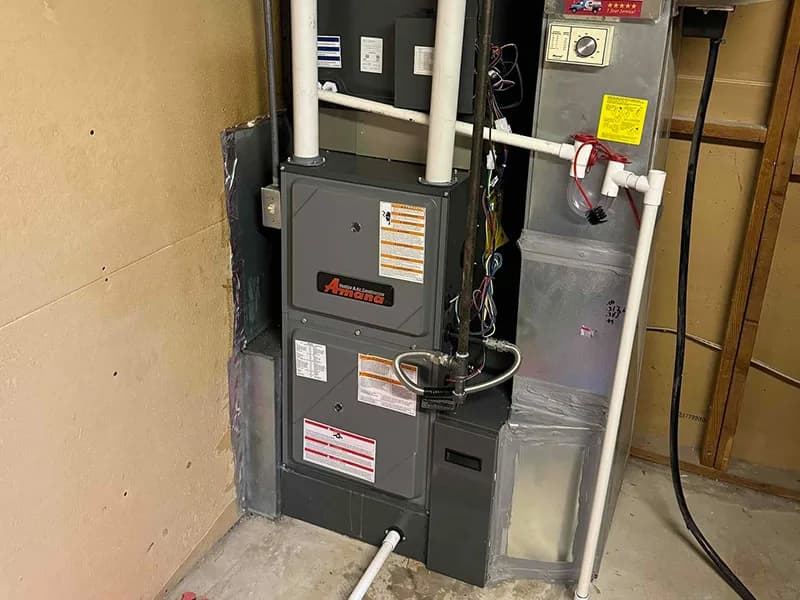
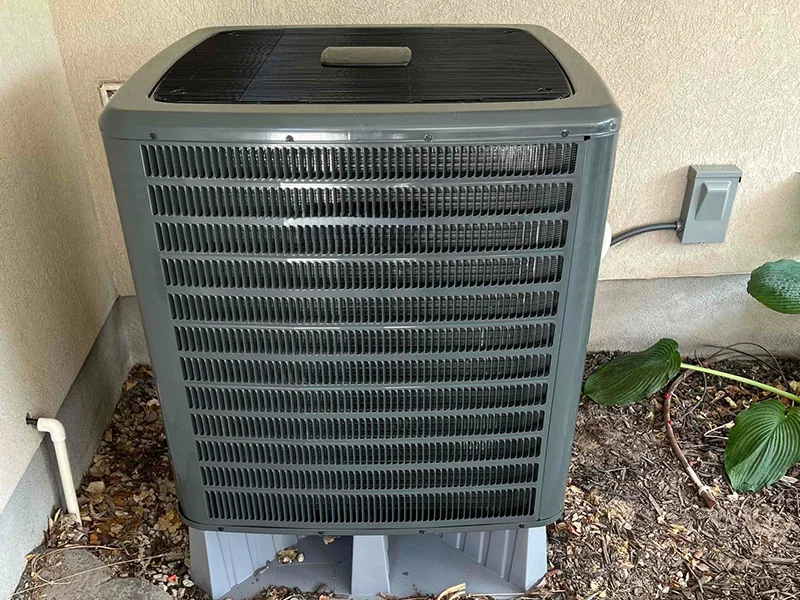
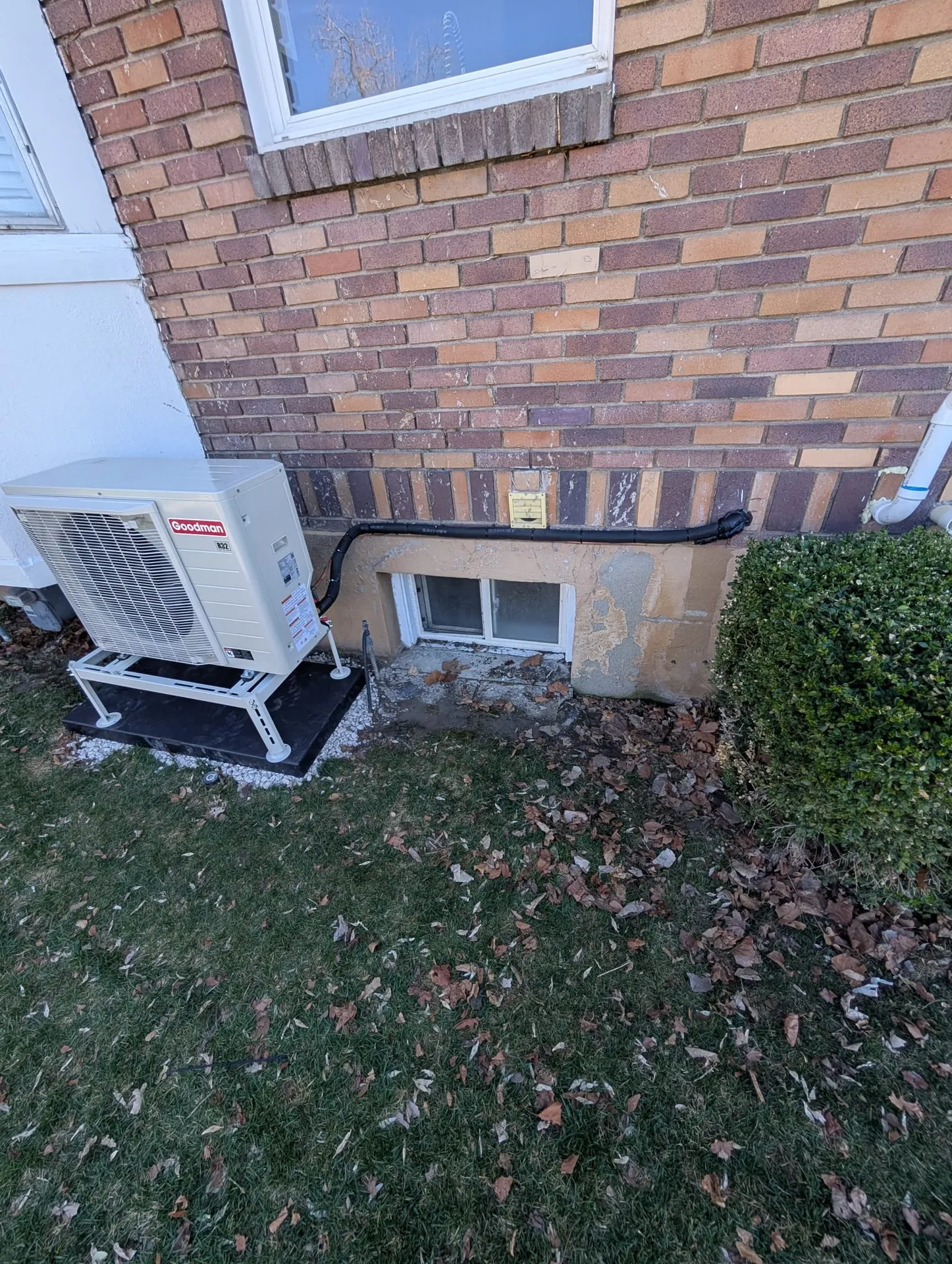
Side by side for Charleston
Single-Stage
On or off — full fire every cycle
Best for: Ramblers and smaller homes, rentals, tight budgets, anyone prioritizing lowest install and repair cost.
Pros
- Lowest cost and simplest to repair — fewest parts, every tech knows it
- Perfectly adequate for smaller, well-insulated, single-level homes
- 96% AFUE single-stage units exist — staging and efficiency are separate decisions
Cons
- — Temperature swings — blasts to setpoint, shuts off, drifts, repeats
- — Loudest option: full blower, every cycle
- — Worst for two-story homes — upstairs/downstairs imbalance shows up most with on/off heat
Two-Stage
Low fire most of the time, high fire for cold snaps
Best for: Most Utah two-story homes — the comfort-per-dollar sweet spot for typical 1990s–2010s builds.
Pros
- Runs on ~65% low fire most of the season — longer, gentler, quieter cycles
- Noticeably steadier temperatures than single-stage, especially on two levels
- Modest price premium for the biggest comfort jump per dollar
Cons
- — Needs a thermostat that actually manages staging (or the board just times it)
- — More parts than single-stage — slightly higher lifetime repair exposure
Variable-Speed / Modulating
Adjusts in 1% steps — holds temperature like cruise control
Best for: Larger or multi-level homes, light sleepers, allergy households running high-MERV filtration, and anyone pairing with a heat pump in a dual-fuel setup.
Pros
- Holds setpoint within ~0.5°F — the 'we never hear it run' option
- Best air quality pairing: continuous low-speed circulation through the filter
- Quietest and most efficient blower (ECM), big deal if the furnace is near bedrooms
- Fixes stubborn hot/cold room complaints staging alone can't
Cons
- — Highest cost — and repairs cost more when boards or ECM motors eventually fail
- — Benefits get wasted on leaky ductwork — fix ducts first or skip the upgrade
- — Overkill for small single-level homes
Our take for Charleston
For most Utah homes, two-stage is the honest answer — the comfort improvement over single-stage is obvious, the premium is modest, and it doesn't demand perfect ductwork. Go variable-speed when the home is large, the comfort complaints are real, or you're building a dual-fuel heat-pump system. Stay single-stage when the budget is the constraint — a correctly sized single-stage beats an oversized two-stage every time. Sizing first, staging second.
Single-Stage vs Two-Stage vs Variable-Speed Furnace FAQ — Charleston edition
Which option fits a typical Charleston home best?
For most Charleston homes, we model both options at the in-home estimate using actual conditions (square footage, ductwork, insulation, 5,455 ft elevation, climate zone). No two homes are identical and the right answer often surprises people — that's why we never lock in a recommendation without seeing the house.
Do you install both options in Charleston?
Yes — we install and service both sides of this comparison across Charleston and Wasatch County. Free in-home estimate, written fixed-price quote before any work begins. transparent dispatch fee waived on approved repair on repair-side visits.
Does two-stage actually save gas?
A little — the savings come mostly from the AFUE rating, not the staging. What staging buys is comfort: longer low-fire cycles mean steadier temperatures and quieter operation. If someone is selling two-stage primarily on fuel savings, that's a soft pitch.
Which one helps a freezing-upstairs / roasting-downstairs house?
Staging helps (longer gentle cycles mix air better), but the real fixes are airflow: duct balancing, return-air sizing, or zoning. We measure static pressure and per-room airflow during the estimate — sometimes a small duct fix outperforms a much pricier furnace upgrade.
At a glance — for Charleston homeowners
Quick visual of who each option fits.
Single-Stage
On or off — full fire every cycle
Best for
Ramblers and smaller homes, rentals, tight budgets, anyone prioritizing lowest install and repair cost.
Two-Stage
Low fire most of the time, high fire for cold snaps
Best for
Most Utah two-story homes — the comfort-per-dollar sweet spot for typical 1990s–2010s builds.
Variable-Speed / Modulating
Adjusts in 1% steps — holds temperature like cruise control
Best for
Larger or multi-level homes, light sleepers, allergy households running high-MERV filtration, and anyone pairing with a heat pump in a dual-fuel setup.
Local coverage
Serving Charleston and all of Wasatch County — same-day
Get a free furnace sizing + staging consult in Charleston
We model both options at the free in-home estimate and give you a written, fixed-price quote before any work begins. Same-day estimates across Wasatch County.