What is AFCI and GFCI Protection?
Plain-English explanation from a licensed Utah HVAC, plumbing, and electrical contractor.
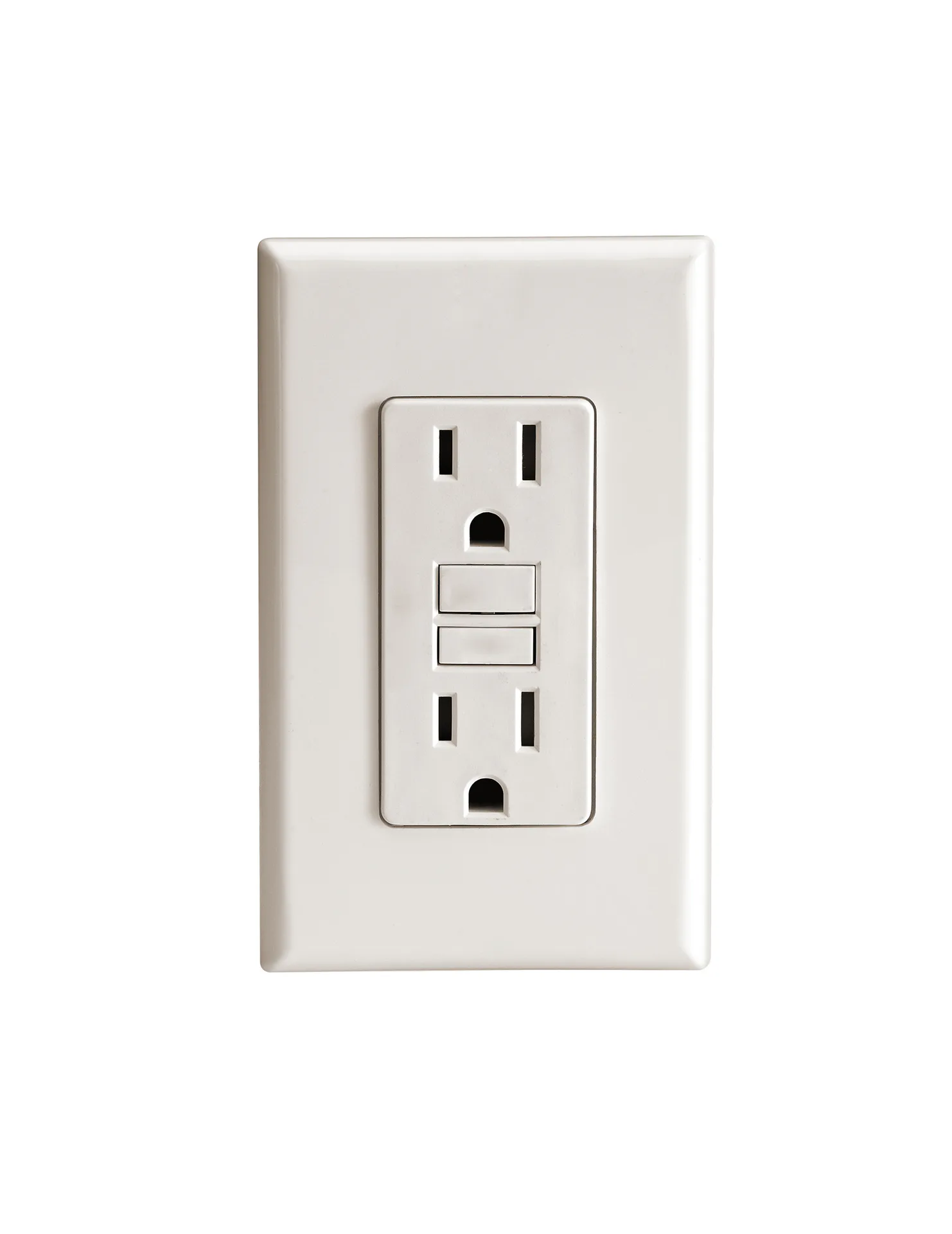
AFCI and GFCI are two types of advanced circuit breakers that protect against different electrical hazards — AFCI prevents fires from arcing wires, GFCI prevents shocks from ground faults.
Full Definition
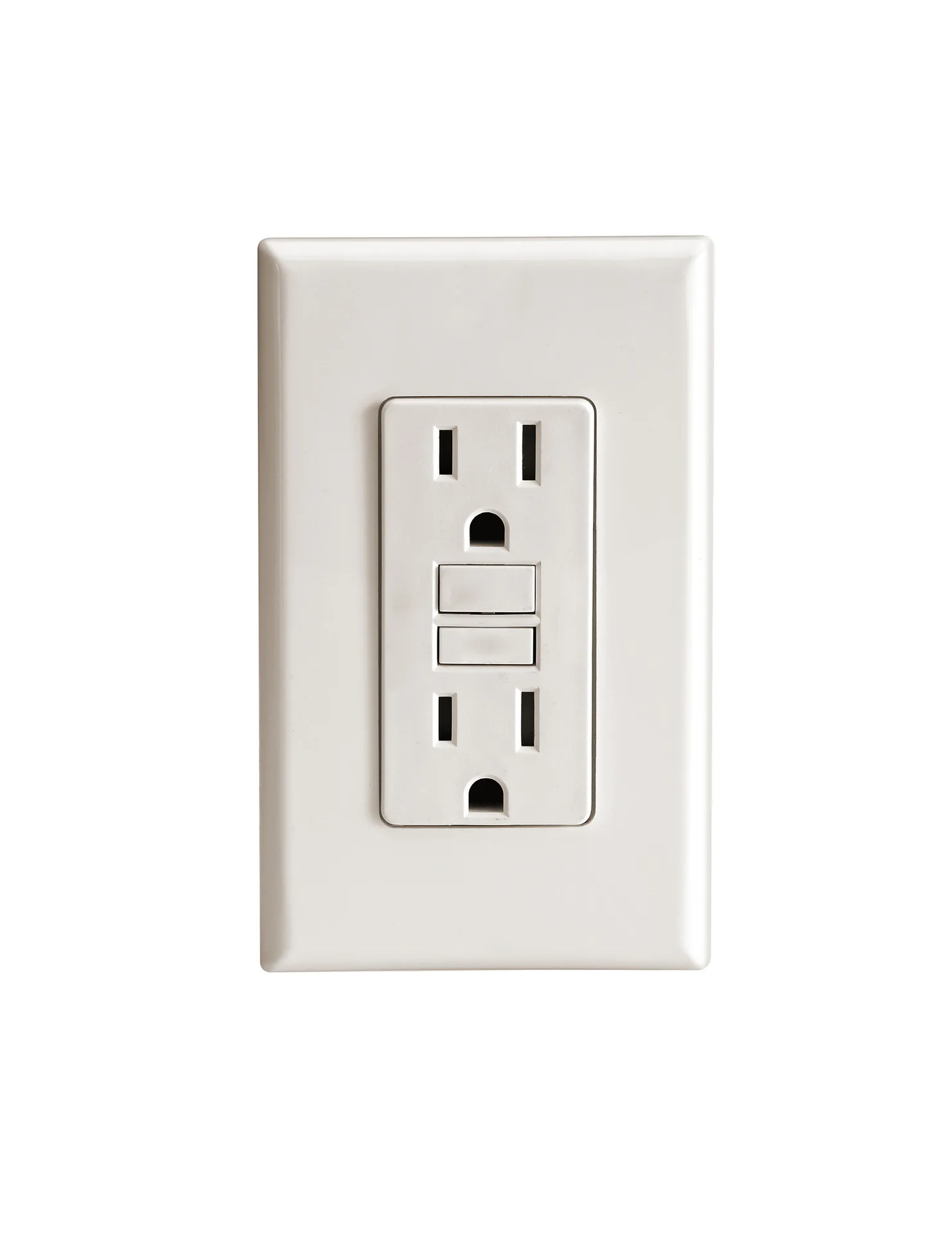
An AFCI (Arc-Fault Circuit Interrupter) detects the characteristic high-frequency signature of an electrical arc — like a frayed lamp cord or loose outlet connection — and trips before the arc starts a fire. A GFCI (Ground-Fault Circuit Interrupter) detects when current is escaping to ground through an unintended path (like a person standing in water) and trips in 1/40 of a second to prevent electrocution. Modern code requires GFCI in wet locations (bathrooms, kitchens, exterior, garage) and AFCI throughout the dwelling living space.
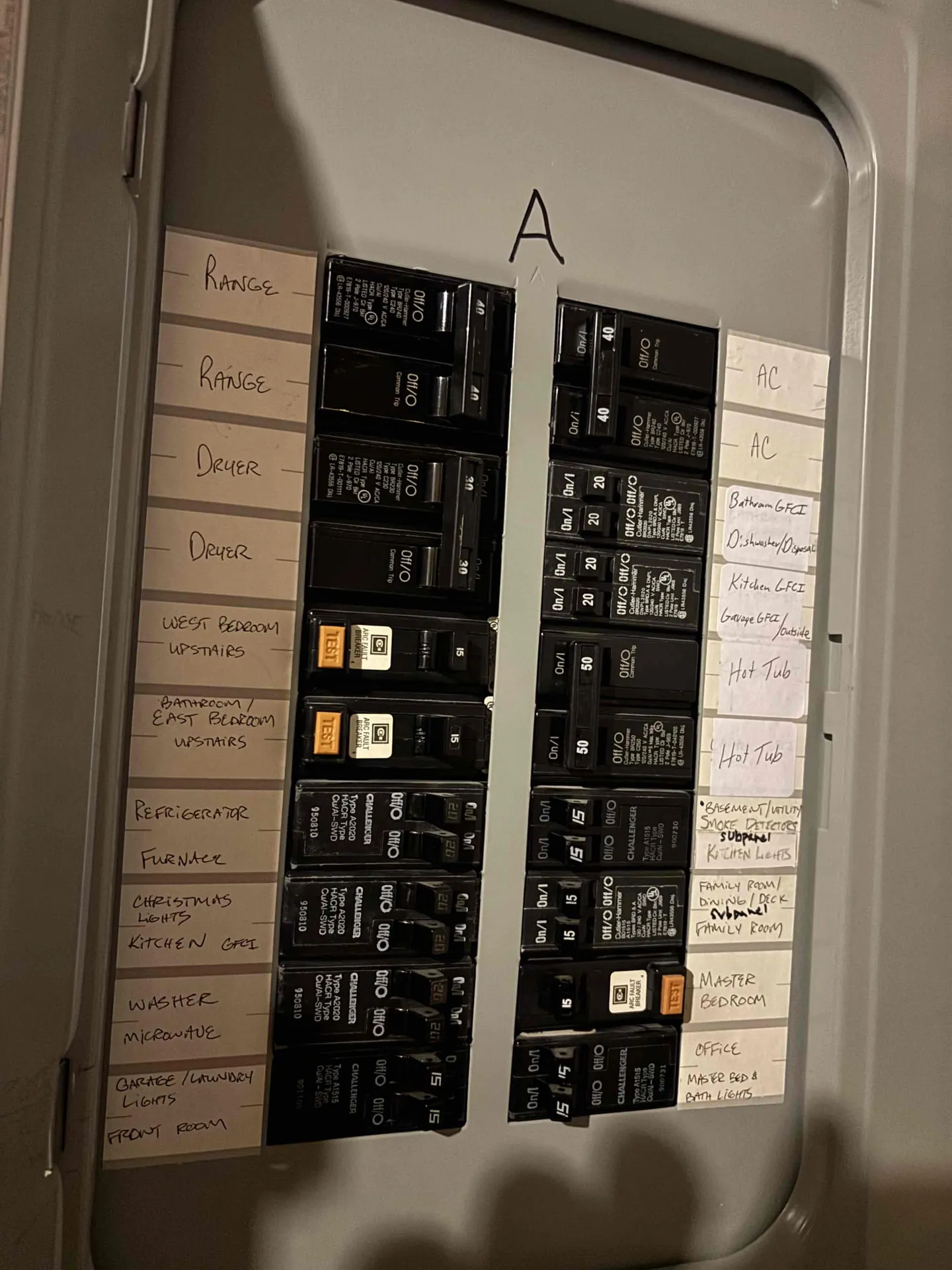
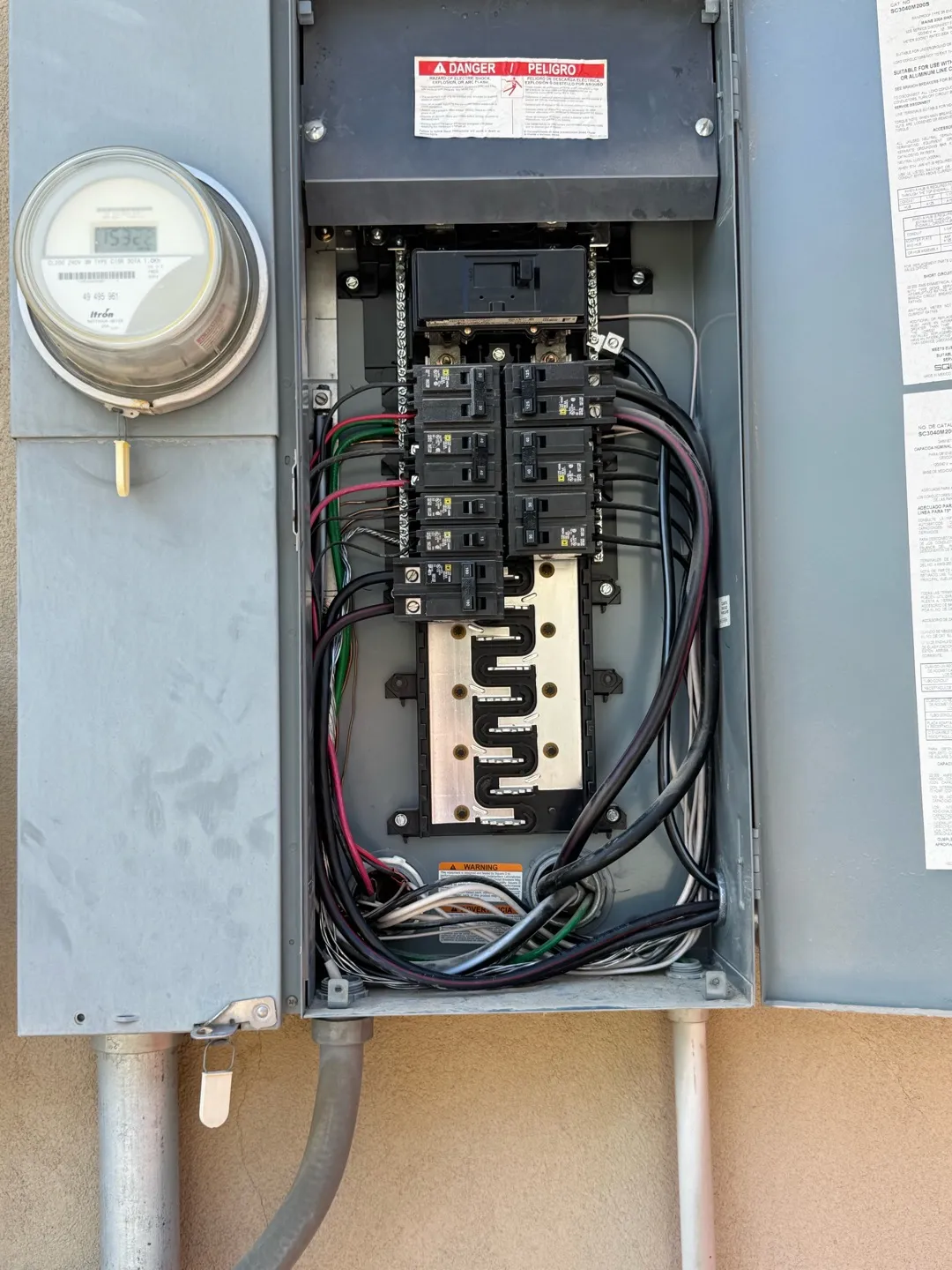
Homes built before 2014 generally lack AFCI protection on bedroom and living-area circuits. Adding AFCI breakers during a panel upgrade or as standalone breakers can prevent the leading cause of residential electrical fires.
Common Questions
Can I add GFCI to an old 2-prong outlet?
Yes — GFCI works without a ground wire, so it's the code-approved way to add shock protection in older ungrounded 2-prong outlets. The outlet must be labeled 'No Equipment Ground' afterward.
Why does my AFCI breaker keep tripping?
Common causes: a damaged appliance cord drawing tiny arcs, shared neutrals between two breakers, certain dimmer switches or LED bulbs, or genuine wiring damage. A licensed electrician should diagnose persistent tripping rather than 'fixing' it by swapping in a standard breaker.
Recent ELECTRICAL work in Utah
A few installs and service calls from the AYSP crew.


Have a question we didn't answer?
Talk to a licensed tech — no charge for phone questions.