What is Flame Sensor?
Plain-English explanation from a licensed Utah HVAC, plumbing, and electrical contractor.
A flame sensor is a metal rod that confirms your gas furnace's burners actually lit — if it gets dirty (very common), the furnace ignites for a few seconds then shuts off, repeating until you have no heat.
Full Definition
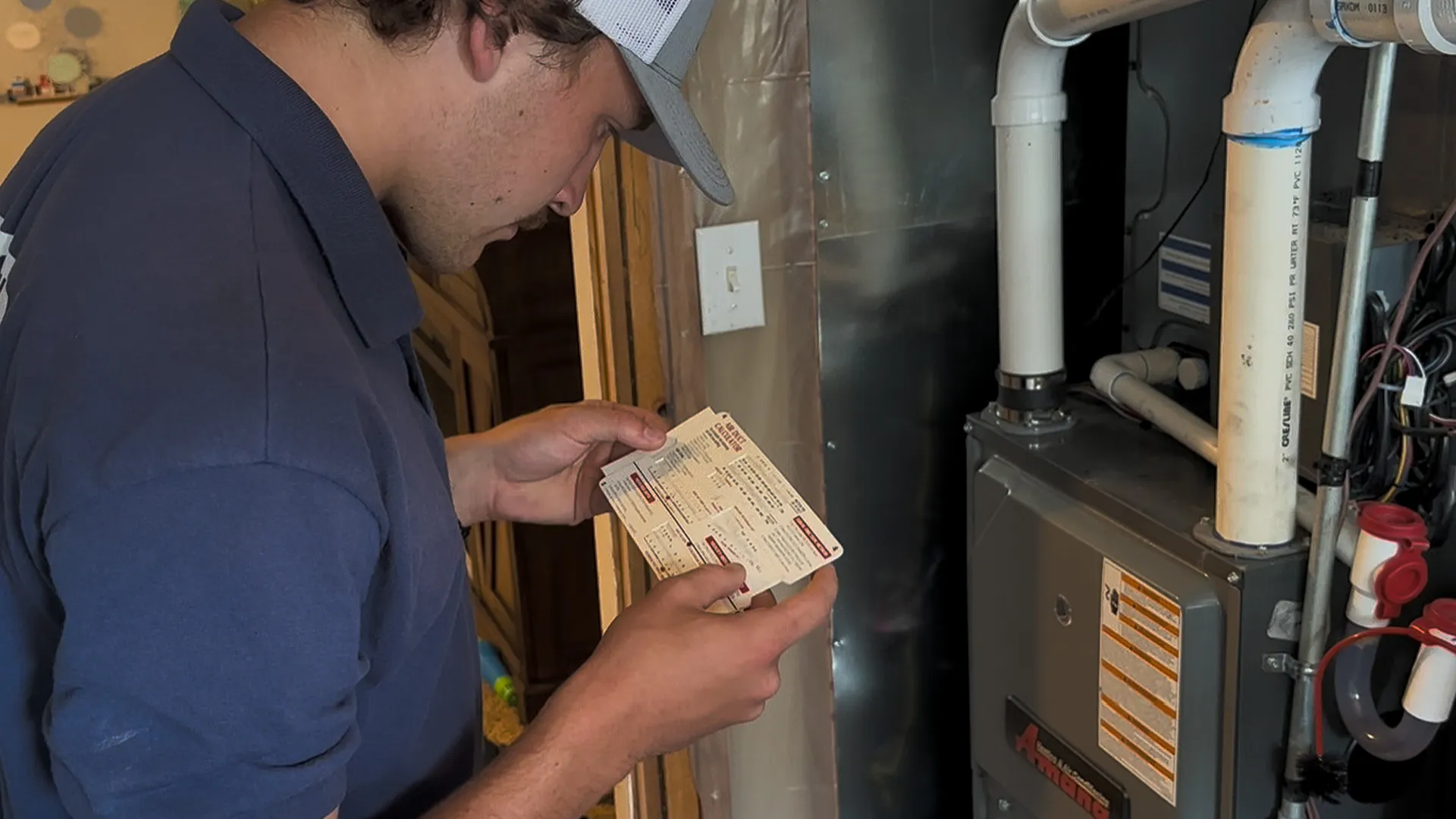
A flame sensor is a thin metal rod (typically Kanthal alloy) positioned in the burner flame path. When ignition succeeds, the flame conducts a microamp current from the rod to ground via flame rectification. The control board reads this current as proof of flame; if absent, it shuts off the gas within seconds. A coating of carbon, oxidation, or dirt on the sensor blocks the current and causes 'lockout' even though the burners are lighting.
Dirty flame sensors are the #1 cause of intermittent furnace lockouts in Utah's heating season. Symptom: furnace ignites, runs 3–8 seconds, then shuts off; repeats 3 times then 'locks out' for an hour. A 15-minute cleaning ($129 service call) typically fixes it. Annual tune-ups prevent the issue.
Common Questions
Can I clean my own flame sensor?
Technically yes, but accessing it requires opening the burner compartment with gas live, and reinstalling at the right depth matters. We typically clean it during annual maintenance ($99 maintenance) which also catches other developing issues.
How often do flame sensors fail completely?
Outright failure is rare — most 'failed' flame sensors are just dirty. True failure happens about every 8–15 years and replacement runs $229–$289 with parts and labor.
Related Terms
Hot Surface Ignitor
A hot surface ignitor (HSI) is a silicon-carbide or silicon-nitride heating element inside your gas furnace that glows orange-hot to light the burners — replaced the old pilot light in modern furnaces.
Furnace Control Board
The control board is the small computer inside your furnace that orchestrates the entire heating sequence — it interprets the thermostat call, runs the ignitor, opens the gas valve, monitors safety switches, and runs the blower.
Recent HVAC work in Utah
A few installs and service calls from the AYSP crew.
Have a question we didn't answer?
Talk to a licensed tech — no charge for phone questions.