What is Plumbing Vent Stack?
Plain-English explanation from a licensed Utah HVAC, plumbing, and electrical contractor.
A vent stack is the vertical pipe extending from your home's drain system through the roof — it equalizes pressure so drains can flow freely and keeps sewer gases out of the living space.
Full Definition
A plumbing vent stack (or main vent / vent through roof) is a pipe extending from the building drain to outside air, typically through the roof. Every plumbing fixture must connect to a vent so drainage doesn't pull a vacuum that would siphon water out of P-traps and let sewer gas into the home. Per Utah IPC code, the vent must extend at least 6" above the roof and not be near a window.
Sewer-smell complaints in bathrooms or laundry rooms often trace to vent issues: bird's nest at the roof terminal, ice cap in winter, broken vent below the roofline, or a missing/dry trap that should have been vented separately. We see these every spring and fall in Utah.
Common Questions
Why does my bathroom smell like sewer?
Top causes in Utah: dry trap (unused bathroom — pour a quart of water in), bad wax ring under the toilet, vent stack iced over in winter, or broken vent line in the wall or attic. A camera scope and smoke test isolates which.
Can vent stacks freeze closed in winter?
Yes — Utah's cold winters can build up an ice cap inside the vent terminal where warm sewer-vented air condenses and freezes. The fix is usually a larger-diameter vent (3" or 4") at the roof, or a heat trace.
Related Terms
ABS Pipe
ABS is black plastic drain-waste-vent pipe used for residential plumbing — it's solvent-welded with one-step cement, performs well for sewer and vent piping, and is the standard Utah residential DWV material under code.
P-Trap
A P-trap is the curved section of pipe under your sink or shower that holds a small water seal — that water plug stops sewer gases from coming back up through the drain into your living space.
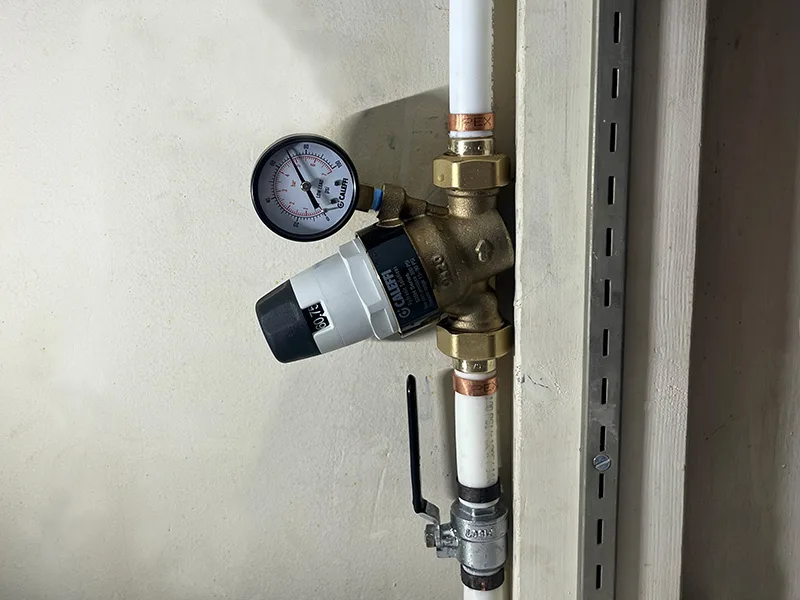
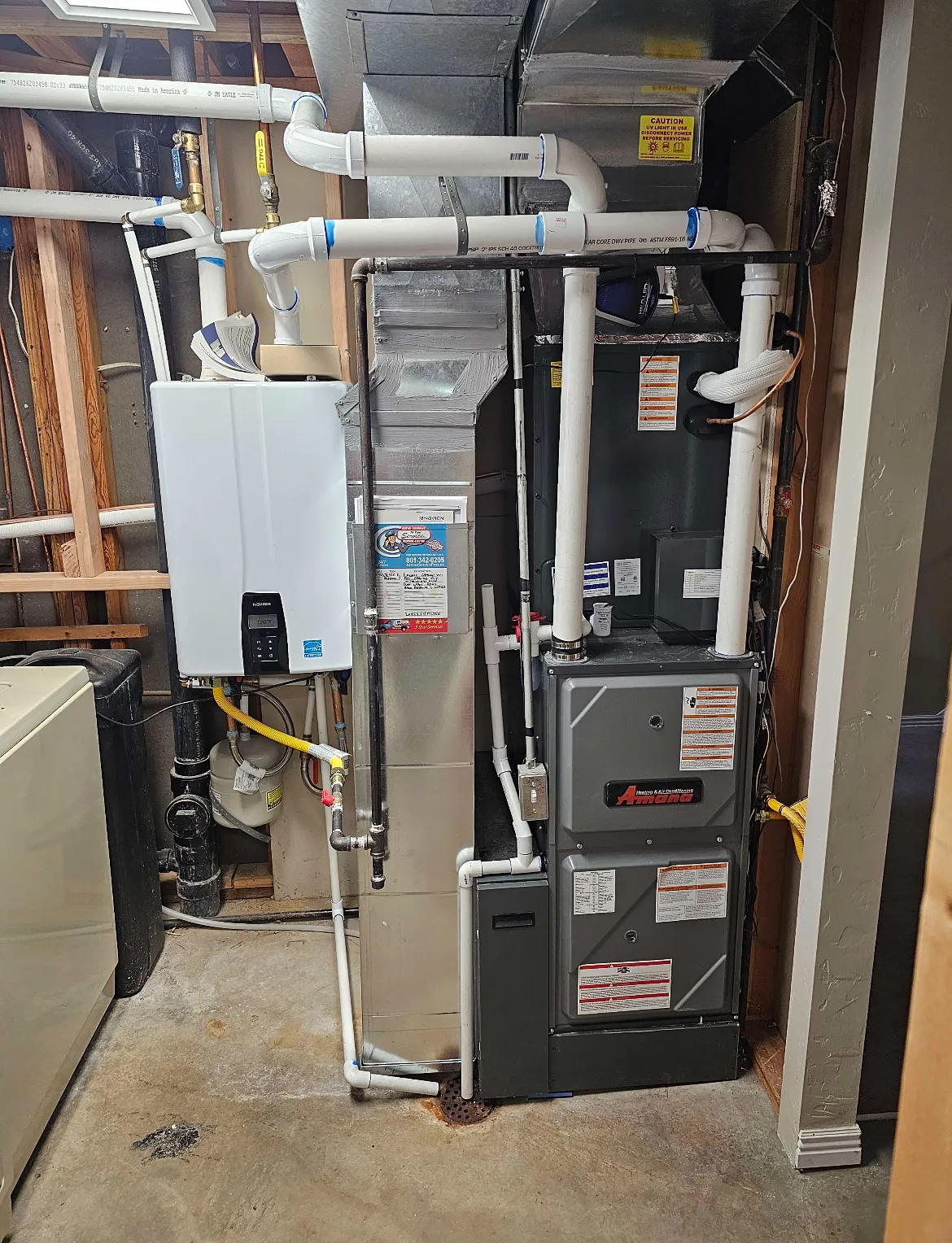
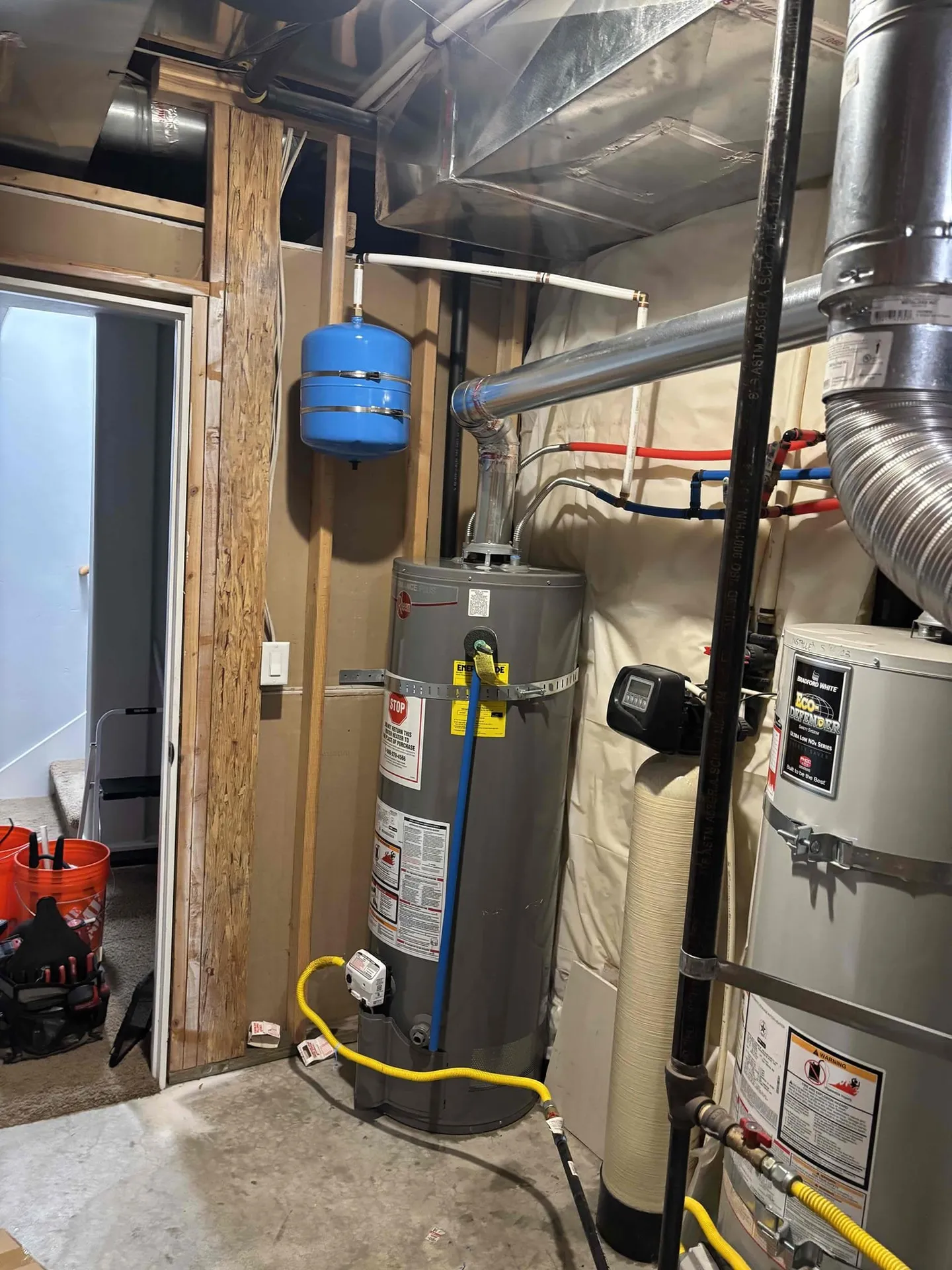
Recent PLUMBING work in Utah
A few installs and service calls from the AYSP crew.
Have a question we didn't answer?
Talk to a licensed tech — no charge for phone questions.