What is Gas Valve?
Plain-English explanation from a licensed Utah HVAC, plumbing, and electrical contractor.
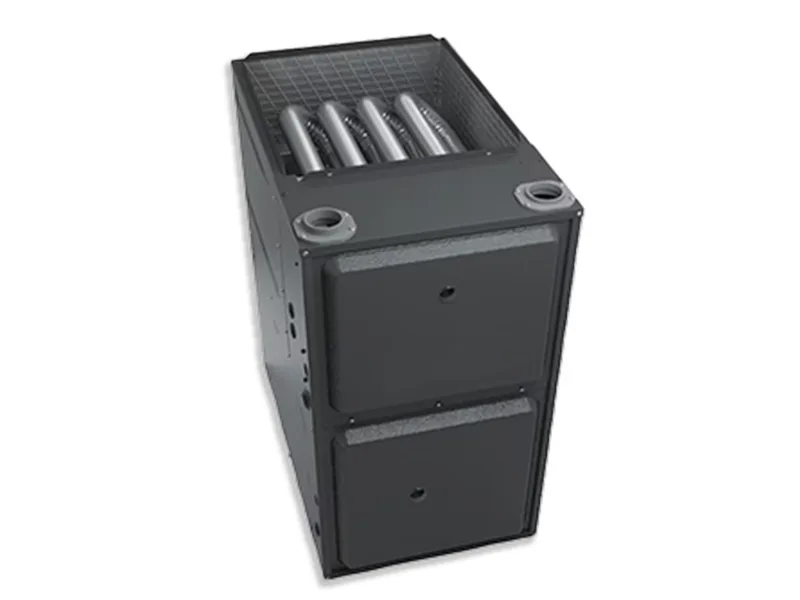
The gas valve is a solenoid-controlled valve that opens to deliver natural gas to your furnace's burners — the control board energizes it after the ignitor is glowing, and a flame must prove within seconds or it shuts off.
Full Definition
A residential furnace gas valve is an electrically-actuated solenoid valve with multiple safety stages. Modern valves have inlet pressure regulation, manual shutoff lever, electrical actuation for first-stage (low fire) and optionally second-stage (high fire on two-stage furnaces), and outlet pressure tap for combustion tuning. They are heat-sensitive and rated for very long life when not stressed.
True gas valve failure is uncommon (15+ year typical life), but when it happens it's a no-heat situation that requires immediate attention. Replacement runs $389–$589 and must be combustion-tested afterward. More common: gas valve solenoid stuck from old age, partial blockage, or weak control signal mimicking a bad valve.
Common Questions
Is a leaking gas valve dangerous?
Yes — any natural gas smell near the furnace requires immediate action. Leave the home, call your gas utility (Enbridge Gas Utah at 800-767-1689 in Utah), and have us come after gas is confirmed off. Most apparent gas smells are actually a stuck pilot or weak burner flame, not a true valve leak.
Do gas valves need adjustment?
Yes — manifold pressure (typical 3.5" w.c. for natural gas) must be set correctly with a manometer during install or major service. Wrong pressure causes sooting, incomplete combustion, or short cycling.
Related Terms
Furnace Control Board
The control board is the small computer inside your furnace that orchestrates the entire heating sequence — it interprets the thermostat call, runs the ignitor, opens the gas valve, monitors safety switches, and runs the blower.
Flame Sensor
A flame sensor is a metal rod that confirms your gas furnace's burners actually lit — if it gets dirty (very common), the furnace ignites for a few seconds then shuts off, repeating until you have no heat.
Hot Surface Ignitor
A hot surface ignitor (HSI) is a silicon-carbide or silicon-nitride heating element inside your gas furnace that glows orange-hot to light the burners — replaced the old pilot light in modern furnaces.
Recent HVAC work in Utah
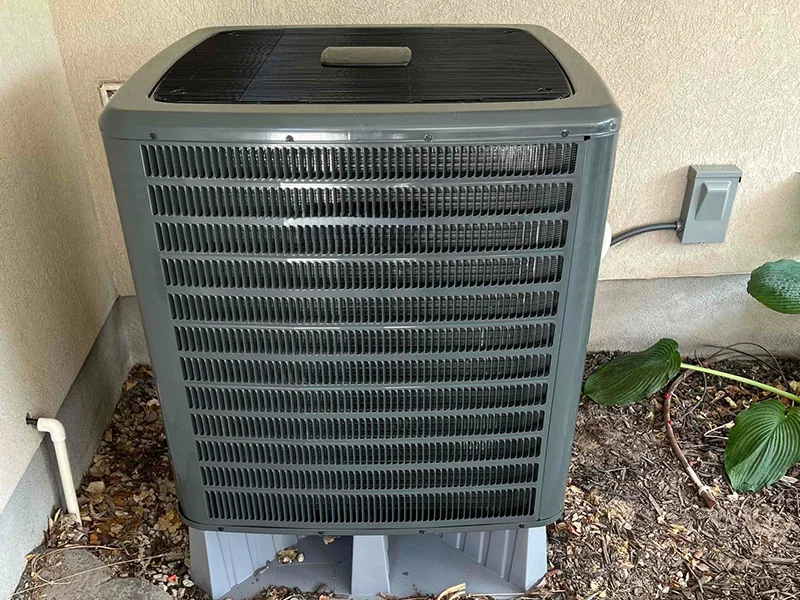
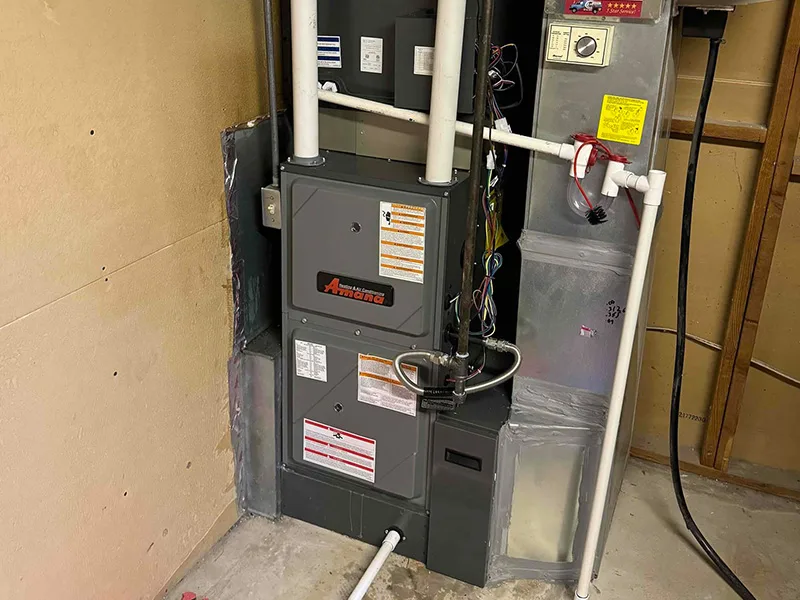
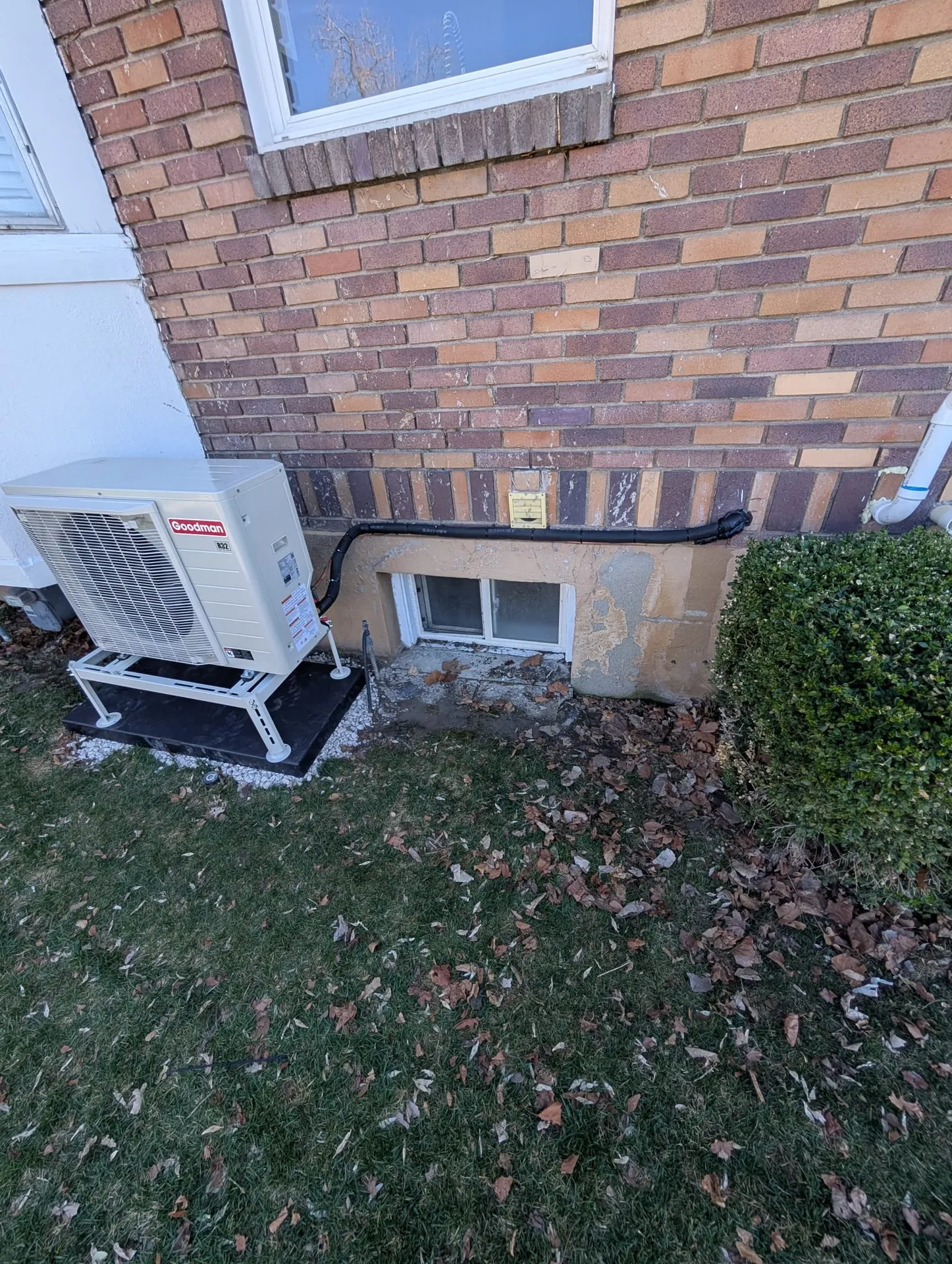
A few installs and service calls from the AYSP crew.
Have a question we didn't answer?
Talk to a licensed tech — no charge for phone questions.