What is Heat Exchanger?
Plain-English explanation from a licensed Utah HVAC, plumbing, and electrical contractor.
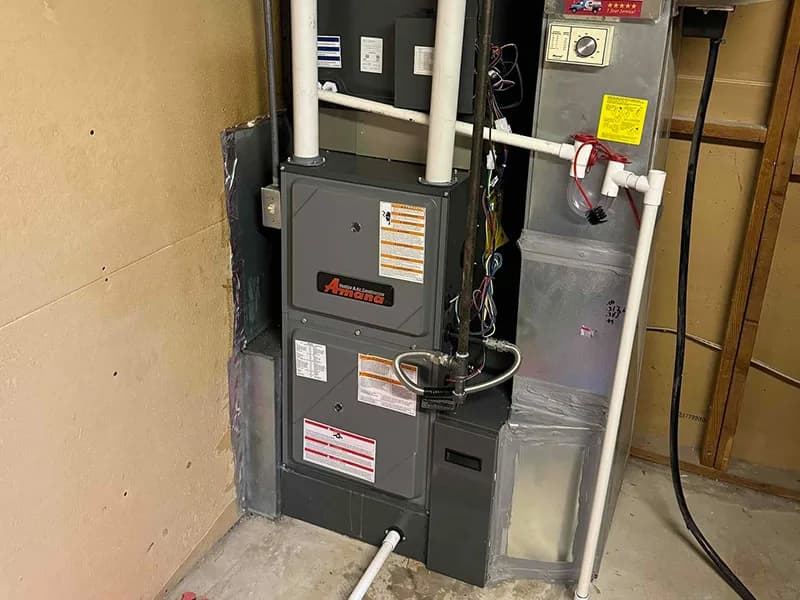
The heat exchanger is the sealed metal chamber inside your gas furnace where combustion gases heat one side and house air absorbs heat from the other side — a cracked heat exchanger can leak carbon monoxide and is a furnace-replacement-level repair.
Full Definition
A furnace heat exchanger is a series of aluminized-steel or stainless-steel tubes where hot combustion gases from the burners transfer heat through metal walls to the air being blown across them. The combustion air and house air must never mix — that's the whole point of the heat exchanger. Modern 90%+ AFUE condensing furnaces use a primary and a secondary stainless-steel heat exchanger to recover additional heat from flue condensation.
A cracked heat exchanger is the most serious furnace repair — combustion byproducts including carbon monoxide can leak into your home's air. Cracks form from thermal stress over 15–25 years and are typically detected during annual maintenance. Replacement parts run $1,800–$3,500+, often making system replacement the better choice on aged furnaces.
Common Questions
How do you check for a cracked heat exchanger?
Visual inspection with a borescope camera, infrared imaging during operation, and combustion analyzer readings showing elevated CO in the supply air all point to a crack. We perform all three during diagnostics — never an opinion-only call on something this serious.
Is a cracked heat exchanger always replace-the-furnace?
Not always — but usually yes. Heat exchanger replacement parts alone often run 50–70% of new system price, and a cracked exchanger usually means the furnace is 18–25 years old anyway. We give a transparent repair-vs-replace breakdown with actual numbers.
Related Terms
AFUE
AFUE is the gas-furnace efficiency rating — it tells you what percentage of the fuel you pay for actually becomes usable heat in your home versus what escapes up the flue.
Two-Stage HVAC
Two-stage equipment can run at full capacity OR a lower ~60% capacity — using low stage most of the time gives better comfort, quieter operation, and lower bills than a single-stage unit.
High-Limit Switch
A high-limit switch is a safety thermostat inside your furnace that shuts off the burners if the heat exchanger gets dangerously hot — usually triggered by a clogged filter or blocked ducts, not an actual furnace problem.
Recent HVAC work in Utah
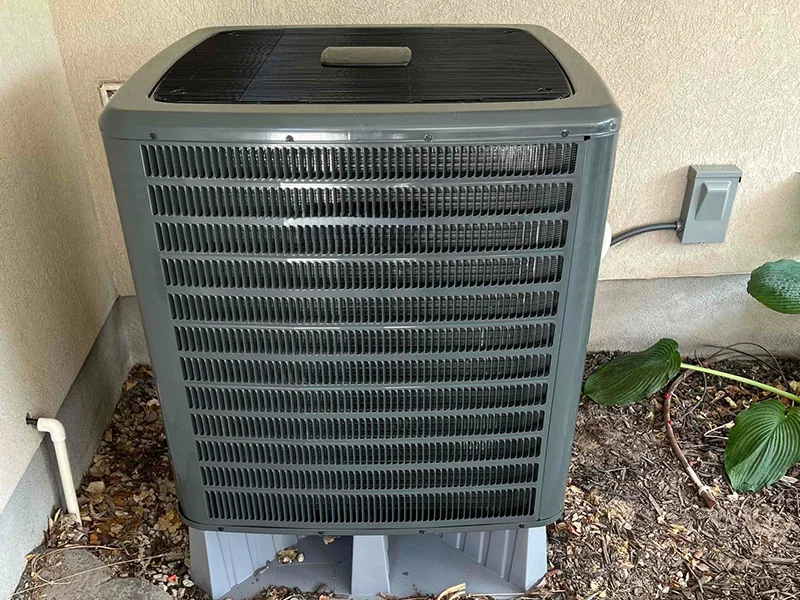
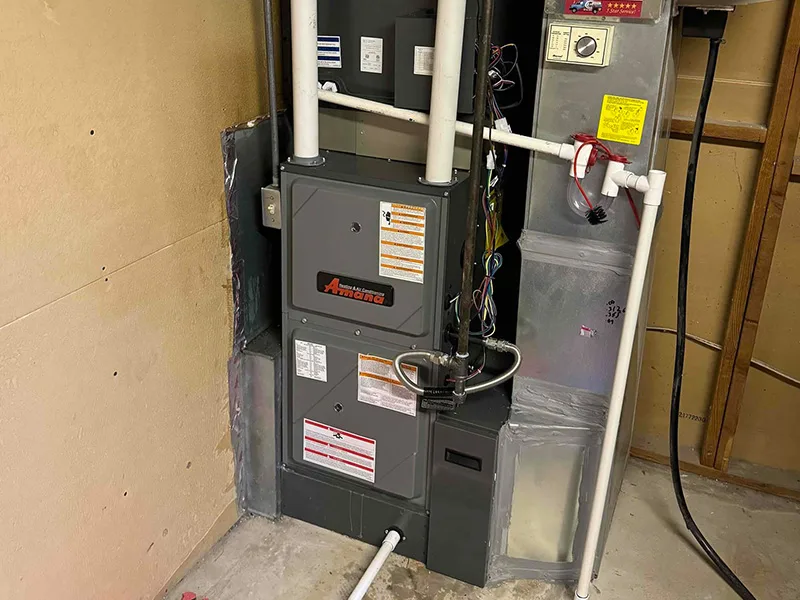
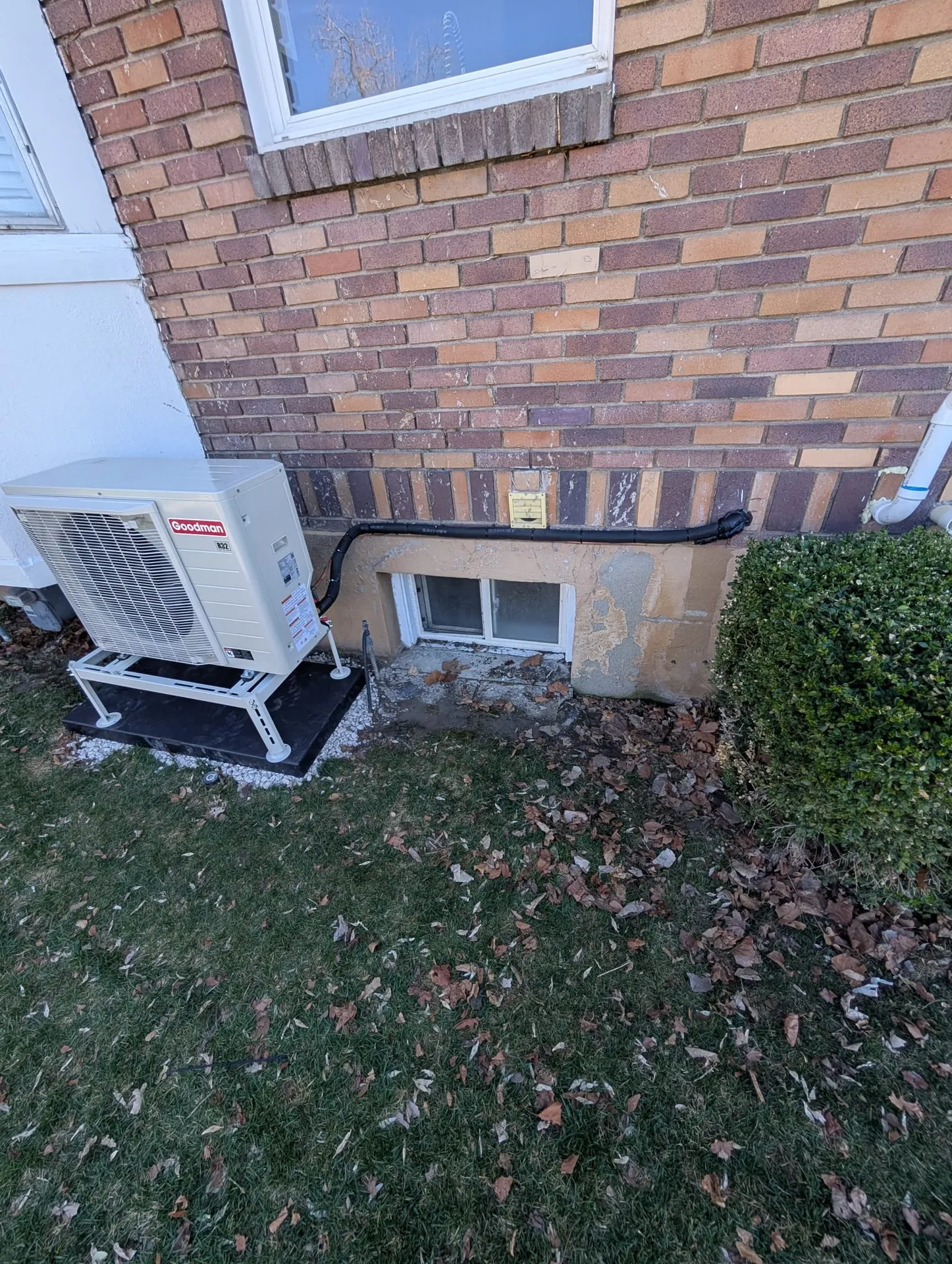
A few installs and service calls from the AYSP crew.
Have a question we didn't answer?
Talk to a licensed tech — no charge for phone questions.