What is Modulating Furnace?
Plain-English explanation from a licensed Utah HVAC, plumbing, and electrical contractor.
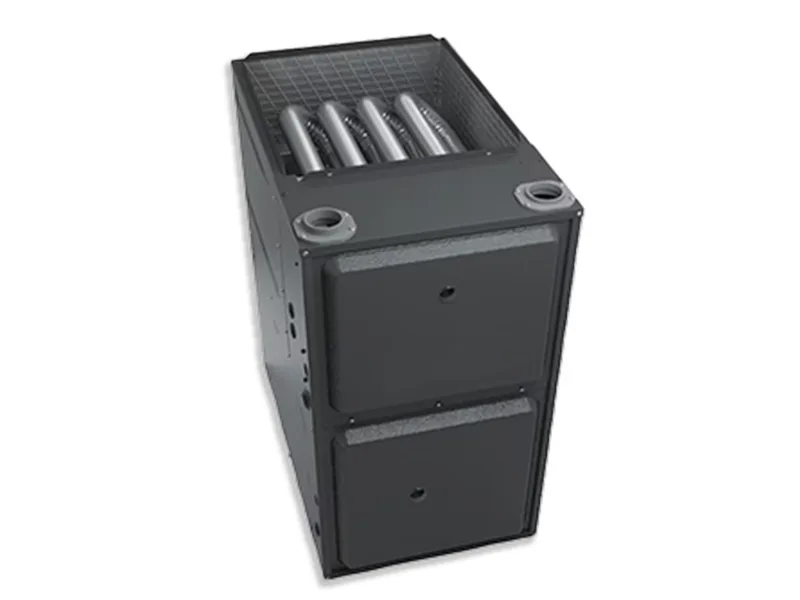
A modulating furnace varies its gas input continuously from about 35% to 100% to exactly match your home's heat loss — instead of cycling on and off, it just runs longer at lower output.
Full Definition
Modulating (also called fully-modulating or variable-capacity) gas furnaces use an electronic gas valve that can throttle from roughly 35% to 100% of nameplate BTU input in fine increments. Paired with a variable-speed ECM blower, the furnace continuously adjusts both heat input and airflow to precisely match the home's instantaneous heat-loss rate, producing extremely quiet, even, consistent temperatures.
On Utah's typical 30°F winter day, a modulating furnace might run at 50% output for 35 minutes per hour instead of a single-stage furnace's full-output 18-minute blast every 30 minutes. The result is no temperature swings, no 'cold air' noise spikes, and 5–10% additional efficiency beyond what AFUE alone captures.
Common Questions
Are modulating furnaces reliable?
Modern modulating furnaces from Trane, Lennox, Daikin, Bryant, and Carrier are highly reliable. The electronic gas valve and inverter components have caught up to single-stage reliability, and the longer run times mean less thermal-cycle stress on the heat exchanger.
Will a modulating furnace work with my old thermostat?
No — modulating equipment needs a communicating thermostat from the same manufacturer to access multi-stage modulation. The thermostat upgrade is included in any properly quoted modulating-furnace install.
Related Terms
AFUE
AFUE is the gas-furnace efficiency rating — it tells you what percentage of the fuel you pay for actually becomes usable heat in your home versus what escapes up the flue.
Two-Stage HVAC
Two-stage equipment can run at full capacity OR a lower ~60% capacity — using low stage most of the time gives better comfort, quieter operation, and lower bills than a single-stage unit.
ECM Motor
An ECM motor is a brushless DC blower motor with electronic speed control — it uses 30–60% less electricity than older PSC motors and runs much quieter at the low speeds where most of your HVAC system actually operates.
Recent HVAC work in Utah
A few installs and service calls from the AYSP crew.
Have a question we didn't answer?
Talk to a licensed tech — no charge for phone questions.