What is BTU?
Plain-English explanation from a licensed Utah HVAC, plumbing, and electrical contractor.
A BTU is the standard unit of heat in U.S. HVAC — one BTU is the energy needed to raise one pound of water by one degree Fahrenheit. Furnaces and ACs are rated in BTU per hour.
Full Definition
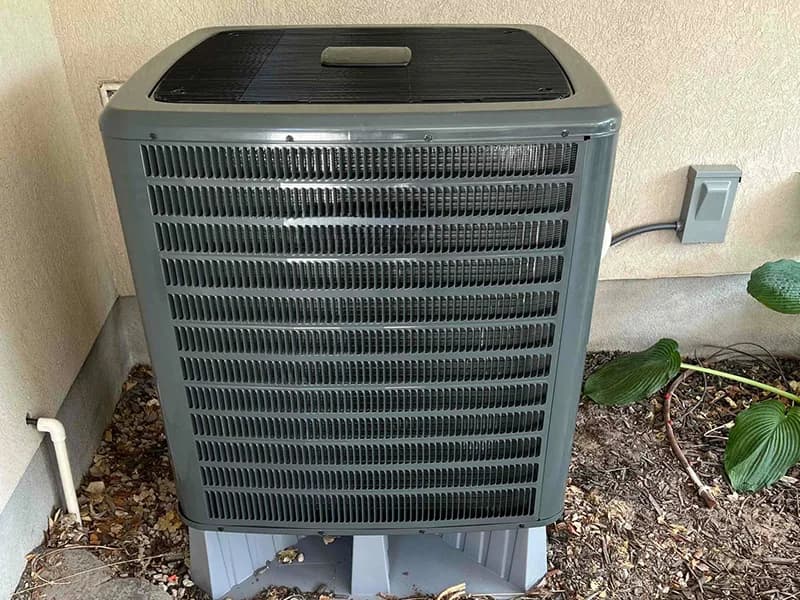
The British Thermal Unit (BTU) is the imperial unit of thermal energy used universally in U.S. HVAC and plumbing equipment ratings. Equipment is rated in BTU/hr — the rate of heat output (for furnaces) or heat removal (for AC). A typical Utah residential furnace ranges 60,000–120,000 BTU/hr input, and a typical AC system ranges 24,000–60,000 BTU/hr cooling capacity (2–5 tons).
Knowing your equipment's BTU rating helps you compare bids: a 2-ton system is 24,000 BTU/hr; a 3-ton is 36,000 BTU/hr. Make sure the BTU output, not just the brand and SEER, matches what your Manual J calculation actually requires.
Common Questions
How many BTU do I need to cool my home?
Rough rule: 18,000–24,000 BTU for a 1,000 sq ft Utah home; 30,000–40,000 BTU for 2,000 sq ft. Always confirm with a Manual J — actual loads vary 30–40% based on insulation, windows, and orientation.
What's the difference between BTU and BTU/hr?
BTU is a quantity of energy; BTU/hr is a rate. HVAC equipment is always rated in BTU/hr (often abbreviated just 'BTU' on data plates). Gas usage is billed in therms, where 1 therm = 100,000 BTU.
Related Terms
Tonnage
Tonnage is the cooling-capacity measurement of an AC or heat pump — 1 ton equals 12,000 BTU/hr of heat removal, which is what one ton of melting ice would absorb in a 24-hour period.
AFUE
AFUE is the gas-furnace efficiency rating — it tells you what percentage of the fuel you pay for actually becomes usable heat in your home versus what escapes up the flue.
Manual J Load Calculation
Manual J is the industry-standard whole-house heat-loss and heat-gain calculation that determines exactly how big your furnace and AC need to be — too big or too small both hurt comfort and efficiency.
Recent AYSP work in Utah
A few installs and service calls from the AYSP crew.
Have a question we didn't answer?
Talk to a licensed tech — no charge for phone questions.