What is Manual J Load Calculation?
Plain-English explanation from a licensed Utah HVAC, plumbing, and electrical contractor.
Manual J is the industry-standard whole-house heat-loss and heat-gain calculation that determines exactly how big your furnace and AC need to be — too big or too small both hurt comfort and efficiency.
Full Definition
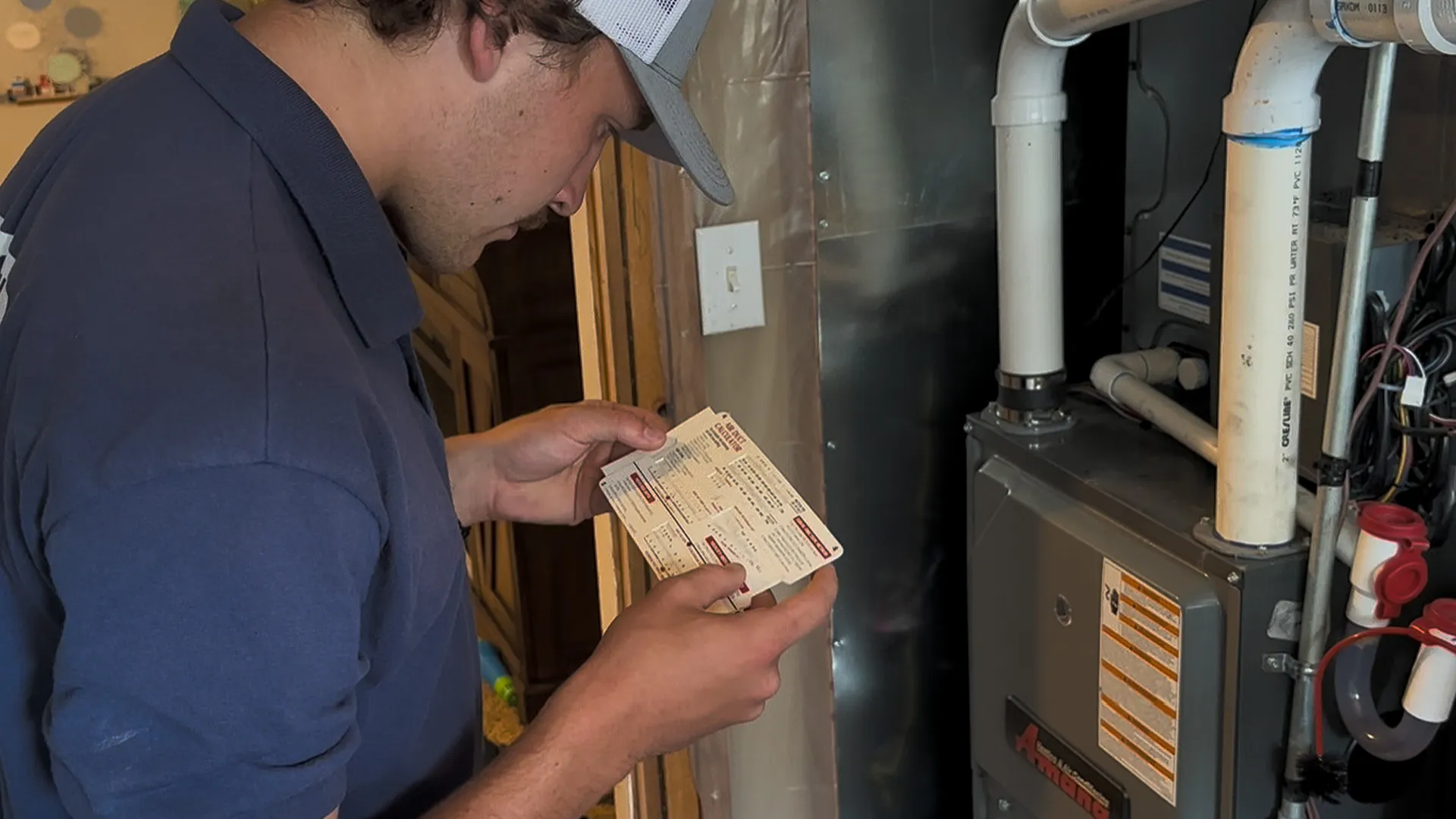
Manual J is the residential load-calculation procedure published by the Air Conditioning Contractors of America (ACCA). It accounts for square footage, window area, insulation R-values, infiltration rates, occupancy, internal heat gains, geographic climate data, and orientation to compute the peak heating BTU/hr and cooling BTU/hr a specific home actually needs. Most Utah utility-rebate programs and the International Energy Conservation Code require Manual J on new installations.
Roughly 60% of Utah homes have oversized equipment — usually because the prior installer just matched the old unit's size. An oversized AC short-cycles, runs at low efficiency, and can't dehumidify; an oversized furnace overshoots the thermostat and causes cold/hot spots between cycles. Manual J fixes both.
Common Questions
How long does a Manual J take?
About 60–90 minutes on a typical Utah home — 30 minutes of room-by-room measurements on-site, then 30–45 minutes in software calculating loads and selecting equipment.
Do I really need Manual J on a like-for-like replacement?
Yes — especially in Utah where so many homes have been re-insulated, re-windowed, or had additions added since the original install. Your actual heating and cooling loads may have changed 20% or more.
Related Terms
SEER
SEER is the cooling-efficiency rating of an air conditioner or heat pump — the higher the SEER number, the less electricity it uses per ton of cooling delivered over a typical Utah summer.
Tonnage
Tonnage is the cooling-capacity measurement of an AC or heat pump — 1 ton equals 12,000 BTU/hr of heat removal, which is what one ton of melting ice would absorb in a 24-hour period.
Static Pressure
Static pressure is the resistance your blower has to push against to move air through the duct system — too high and the blower struggles, efficiency drops, and the system runs hot.
Duct Sealing
Duct sealing closes the gaps, holes, and leaky joints in your duct system so the conditioned air your HVAC produces actually reaches the rooms instead of escaping into the attic or crawlspace.
Recent HVAC work in Utah
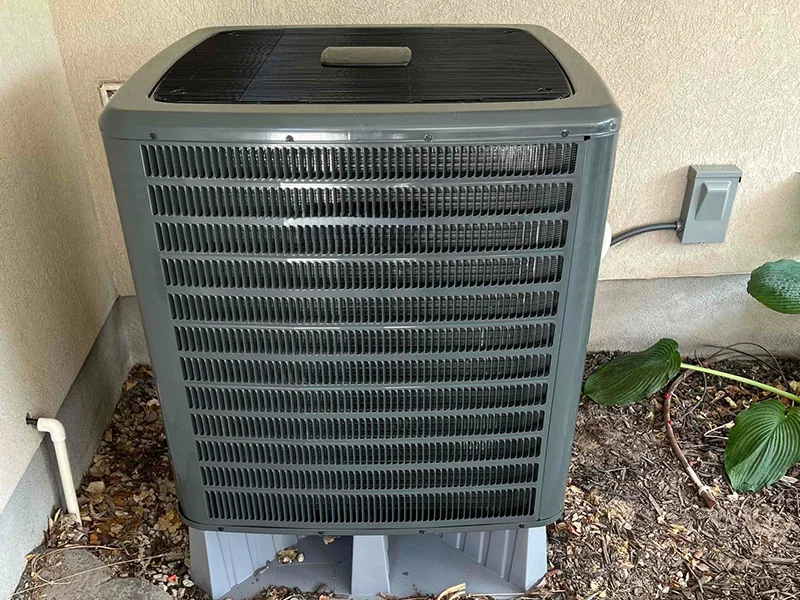
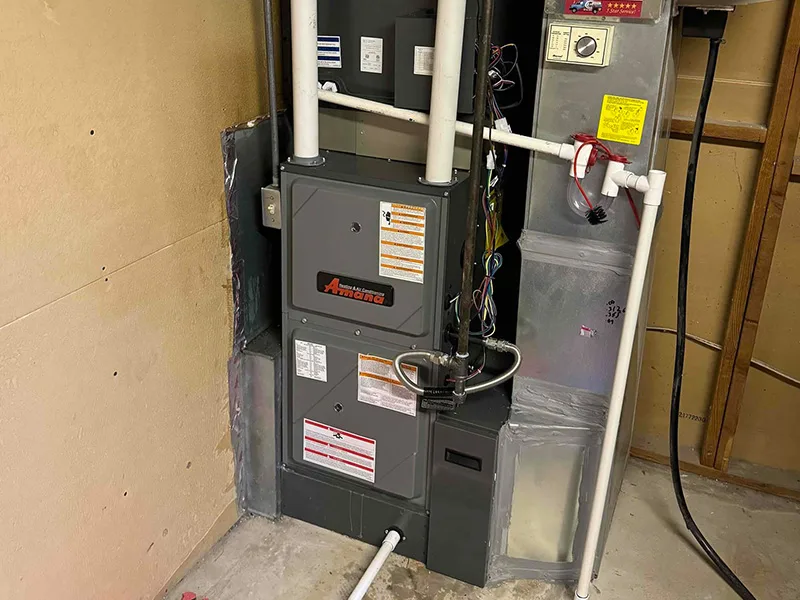
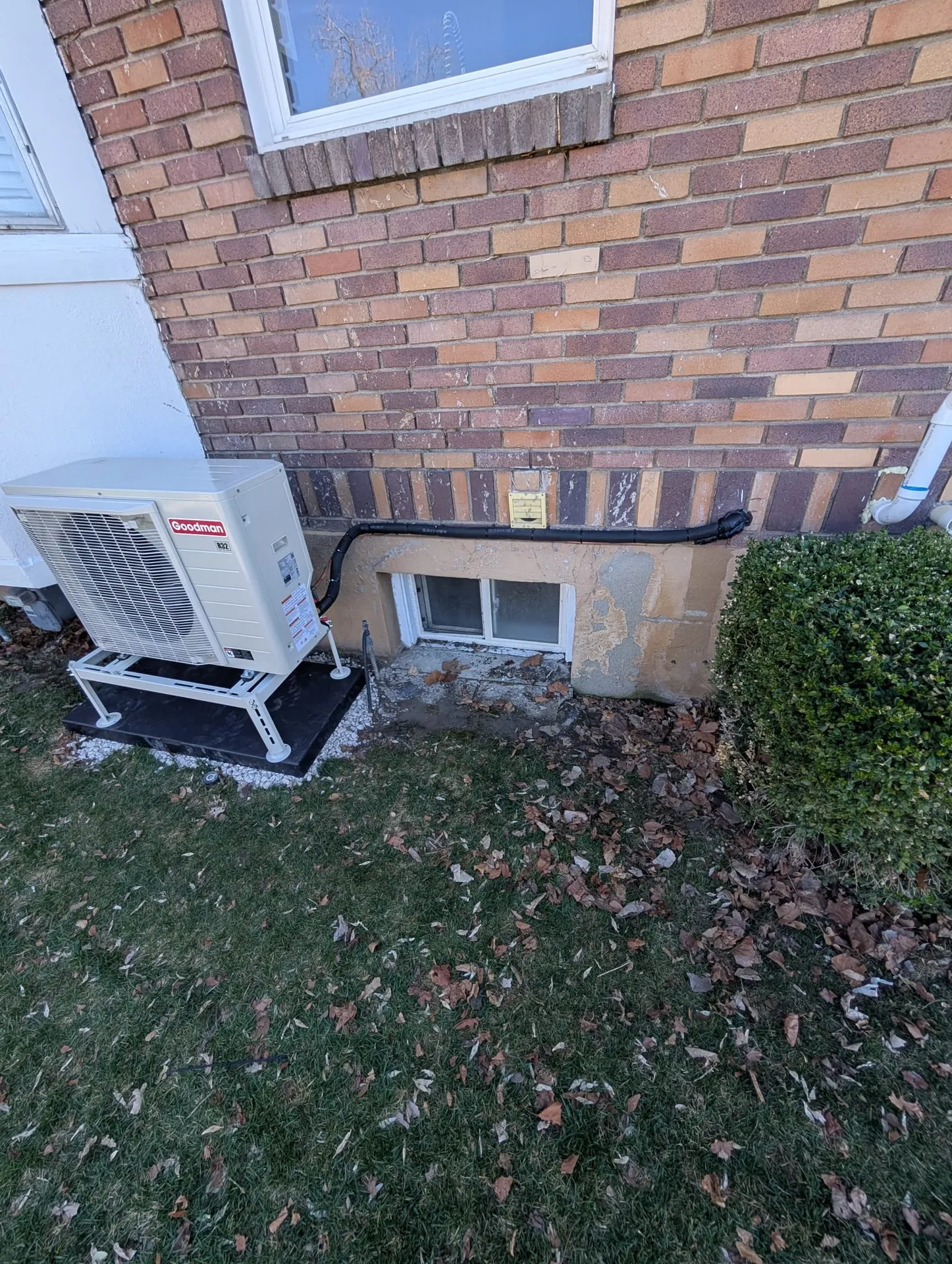
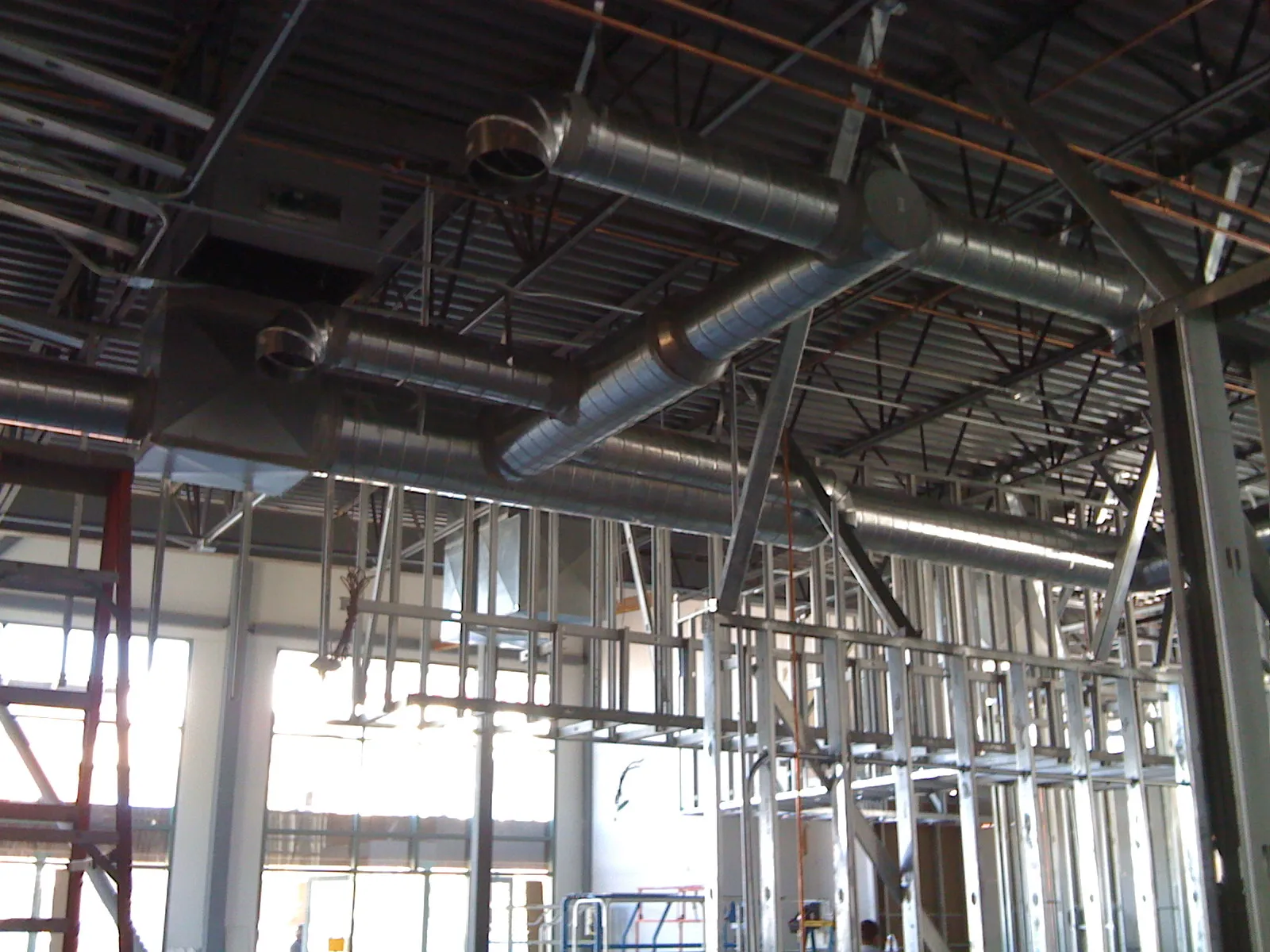
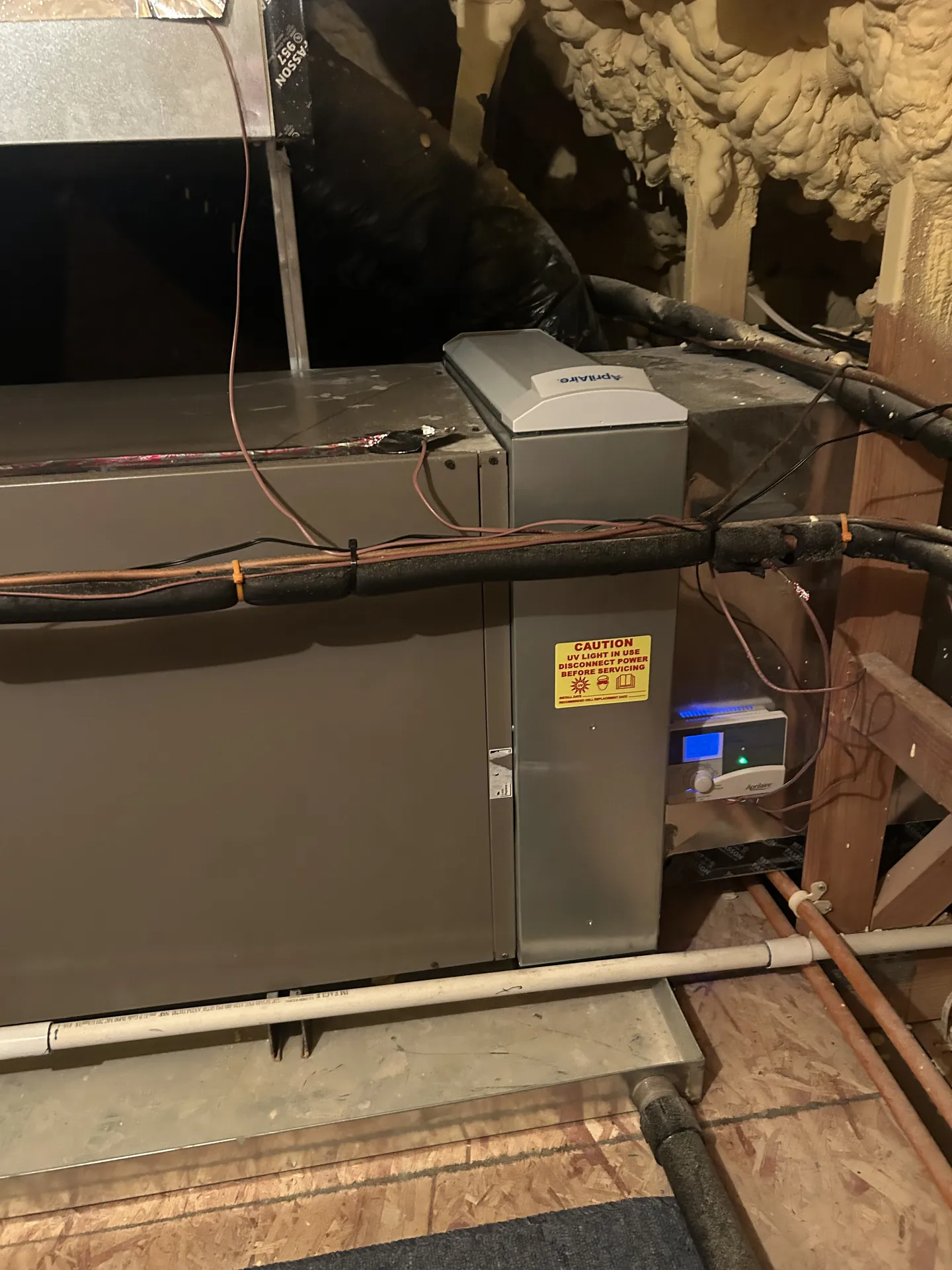
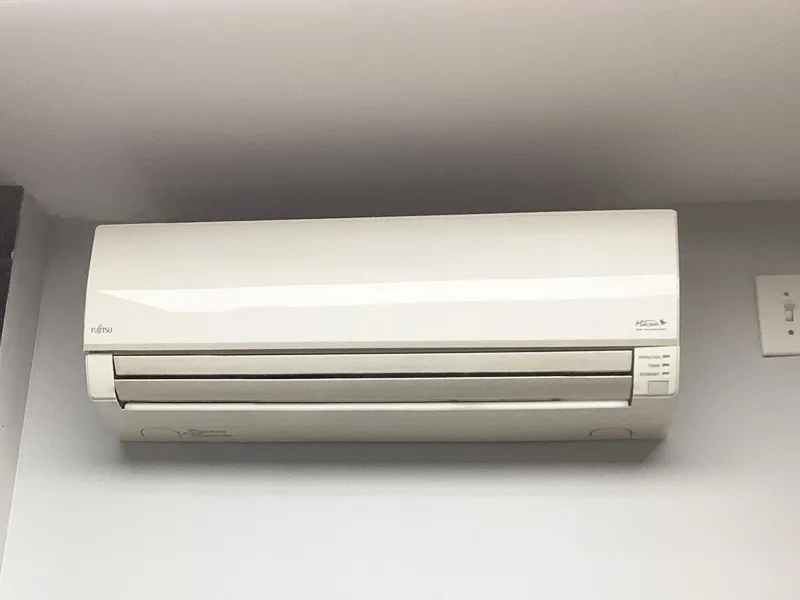
A few installs and service calls from the AYSP crew.
Have a question we didn't answer?
Talk to a licensed tech — no charge for phone questions.