What is Tonnage?
Plain-English explanation from a licensed Utah HVAC, plumbing, and electrical contractor.
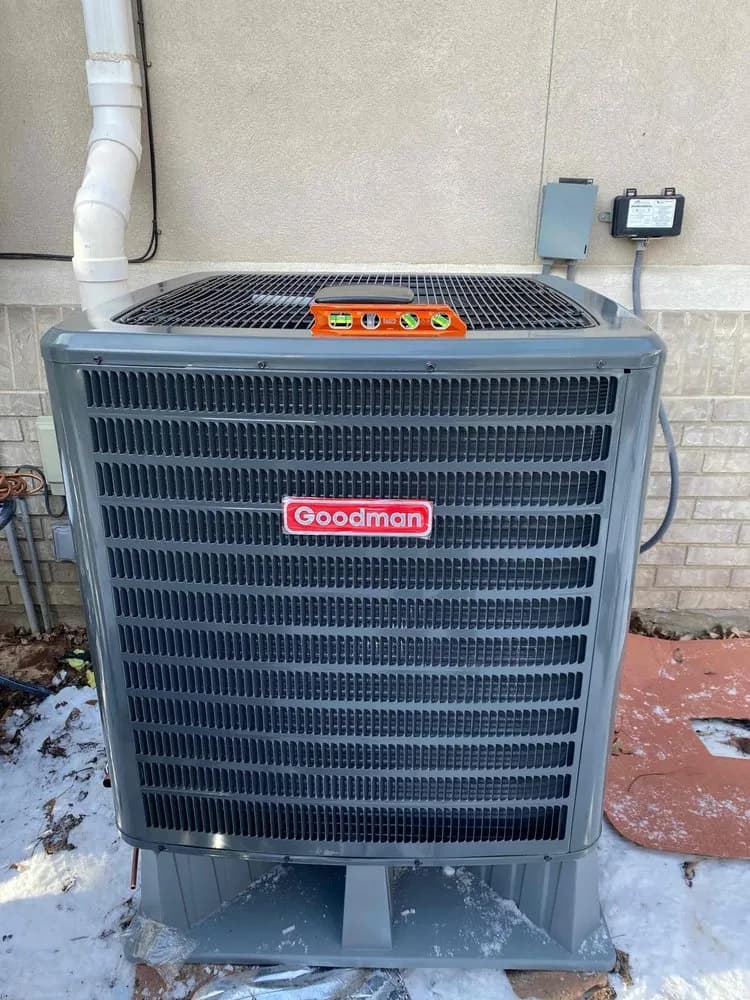
Tonnage is the cooling-capacity measurement of an AC or heat pump — 1 ton equals 12,000 BTU/hr of heat removal, which is what one ton of melting ice would absorb in a 24-hour period.
Full Definition
HVAC tonnage measures cooling capacity in 12,000 BTU/hr increments. The term originates from the historical equivalence between one ton of ice melting in 24 hours and the rate of heat absorption from a space — exactly 12,000 BTU/hr. Residential AC and heat pump systems are typically sized in half-ton increments from 1.5 to 5 tons (18,000 to 60,000 BTU/hr). Equipment over 5 tons is considered light commercial.
On Utah's Wasatch Front, the old rule-of-thumb of '1 ton per 500 sq ft' is almost always oversized. Properly Manual-J-sized systems in modern construction often come in at 1 ton per 700–900 sq ft, especially in well-insulated post-2010 homes.
Common Questions
What size AC do I need for a 2,000 sq ft Utah home?
Without Manual J, a typical answer is 2.5–3 tons — but the right answer depends on insulation, window area, sun exposure, and elevation. Always do a load calculation before sizing.
Is a bigger AC better?
No. Oversized ACs cycle on and off rapidly, never run long enough to remove moisture, and wear out compressors faster. A properly sized unit runs longer at low capacity and delivers better comfort.
Related Terms
SEER
SEER is the cooling-efficiency rating of an air conditioner or heat pump — the higher the SEER number, the less electricity it uses per ton of cooling delivered over a typical Utah summer.
Manual J Load Calculation
Manual J is the industry-standard whole-house heat-loss and heat-gain calculation that determines exactly how big your furnace and AC need to be — too big or too small both hurt comfort and efficiency.
BTU
A BTU is the standard unit of heat in U.S. HVAC — one BTU is the energy needed to raise one pound of water by one degree Fahrenheit. Furnaces and ACs are rated in BTU per hour.
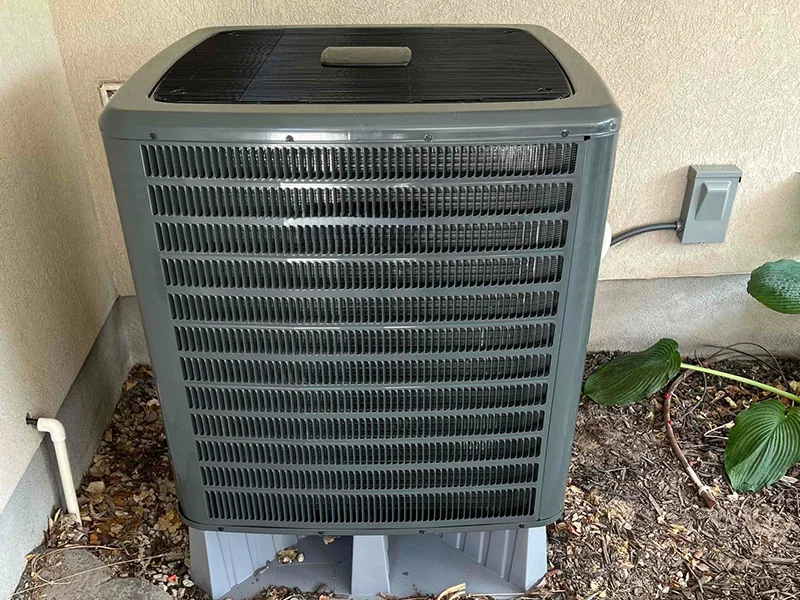
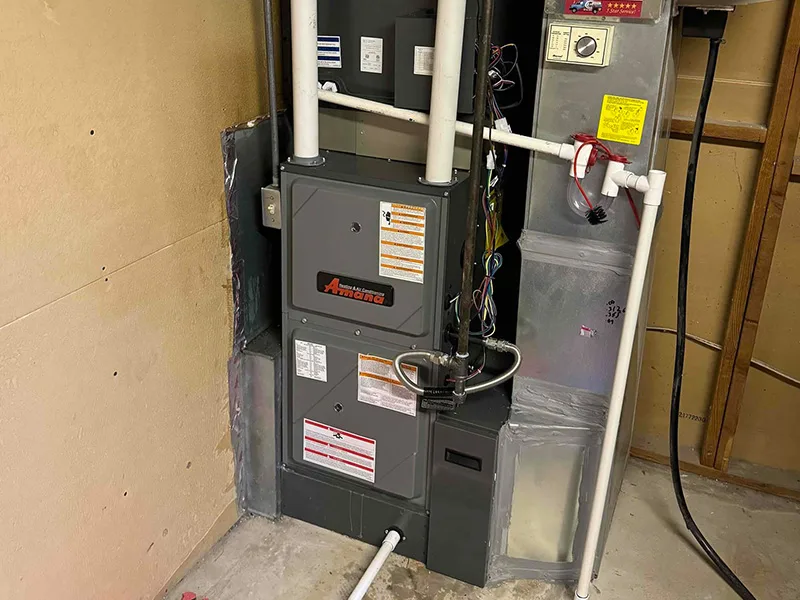
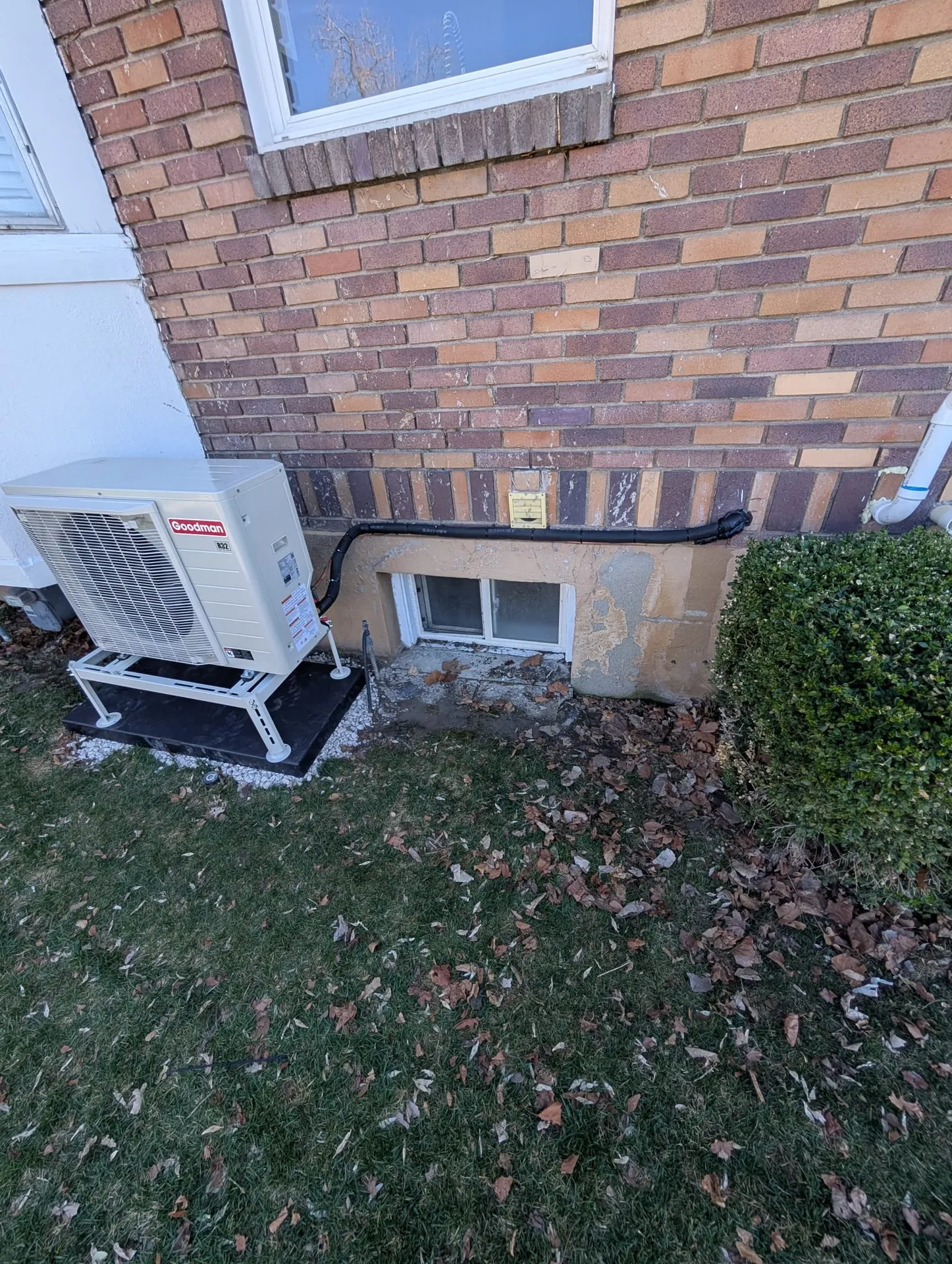
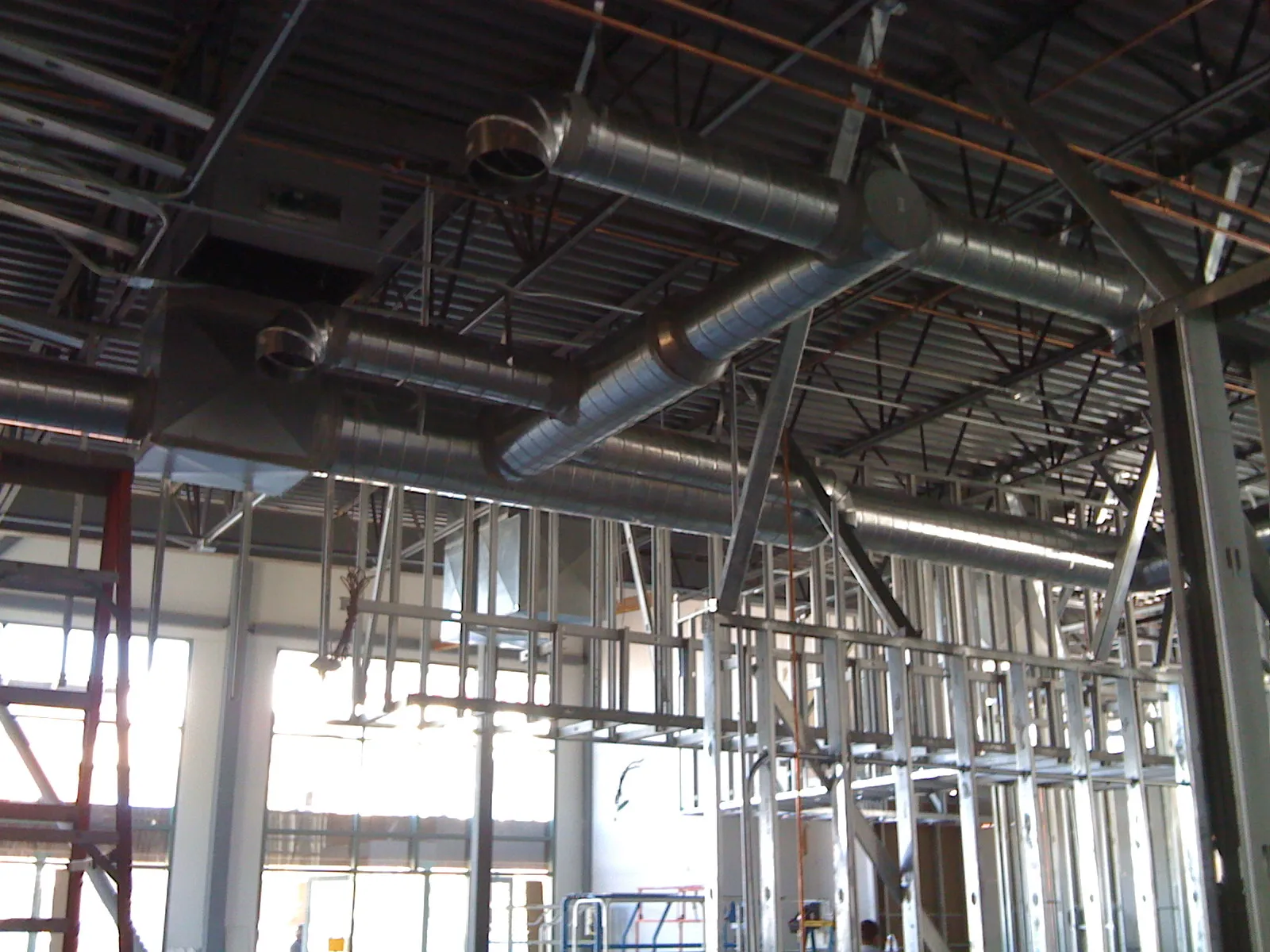
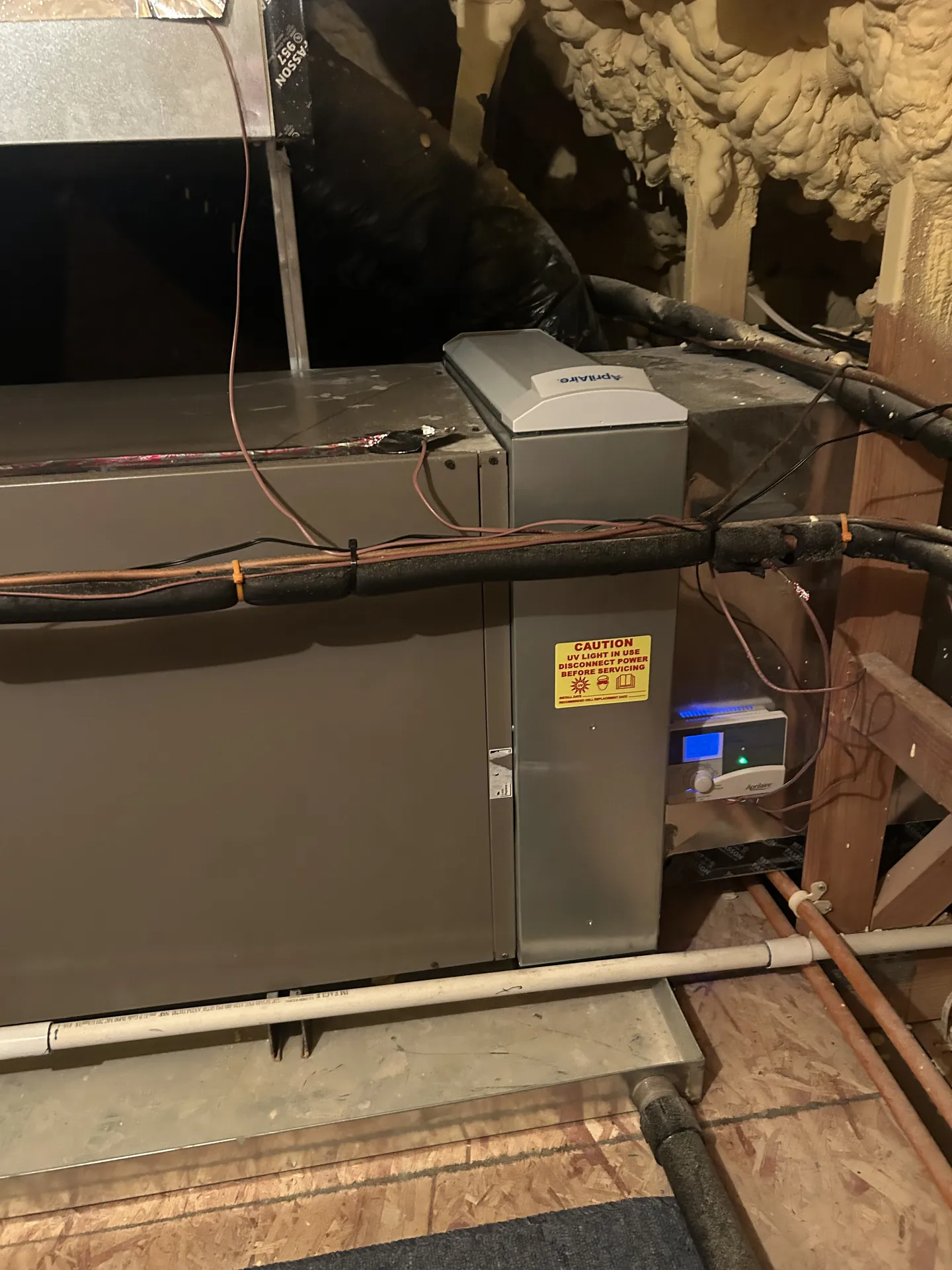
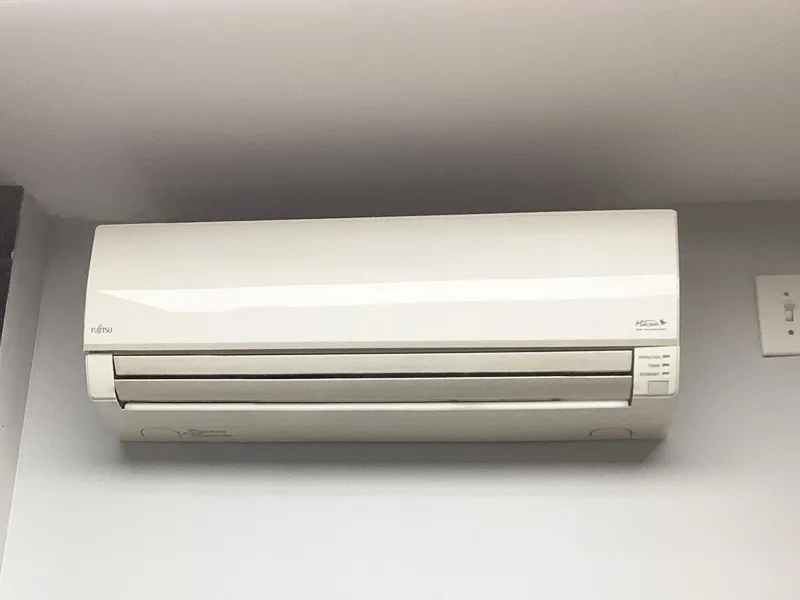
Recent HVAC work in Utah
A few installs and service calls from the AYSP crew.
Have a question we didn't answer?
Talk to a licensed tech — no charge for phone questions.