What is Electrical Grounding?
Plain-English explanation from a licensed Utah HVAC, plumbing, and electrical contractor.
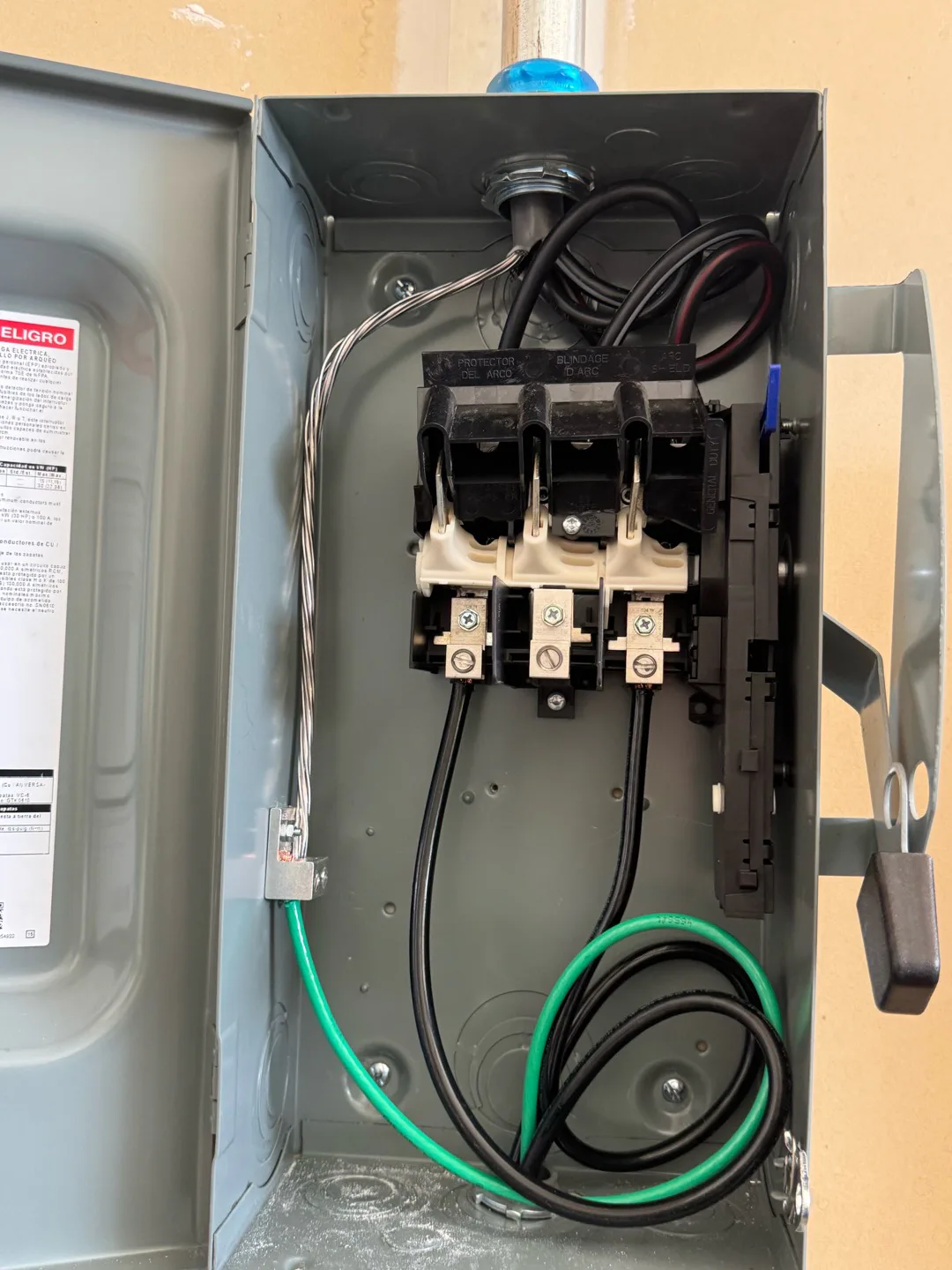
Grounding is the safety system that connects your electrical panel to the earth via ground rods, water pipe, or building steel — it provides a low-impedance path for fault current to trip a breaker fast during a short circuit.
Full Definition
Electrical grounding establishes a known-zero reference voltage between the electrical system and earth, and provides a path for fault current to return to source so an overcurrent device (breaker or fuse) trips quickly. The grounding electrode system per NEC can include: ground rods (typically two 5/8" × 8' copper-clad), metal water pipe (within 5' of entry), concrete-encased electrode (Ufer), or building steel. All electrodes are bonded together.
Many older Utah homes have grounding that fails modern code: single ground rod, ground rod to gas pipe (not allowed), or missing bonding to water pipe. Inadequate grounding is a major shock and fire hazard. We bring grounding up to current code during any panel upgrade.
Common Questions
How can I tell if my home is properly grounded?
A licensed electrician can confirm with a ground-impedance test (clamp-on meter). Visible signs of inadequate grounding include: only one ground rod, no rod-to-water-pipe bonding, GFCI outlets that don't trip on test, or shocks from metal appliances.
Does grounding protect against lightning?
Standard grounding protects against fault current, not direct lightning strikes. For lightning protection in Utah's storm season, a whole-home surge protector at the panel is much more effective and pairs with proper grounding.
Related Terms
Main Electrical Panel
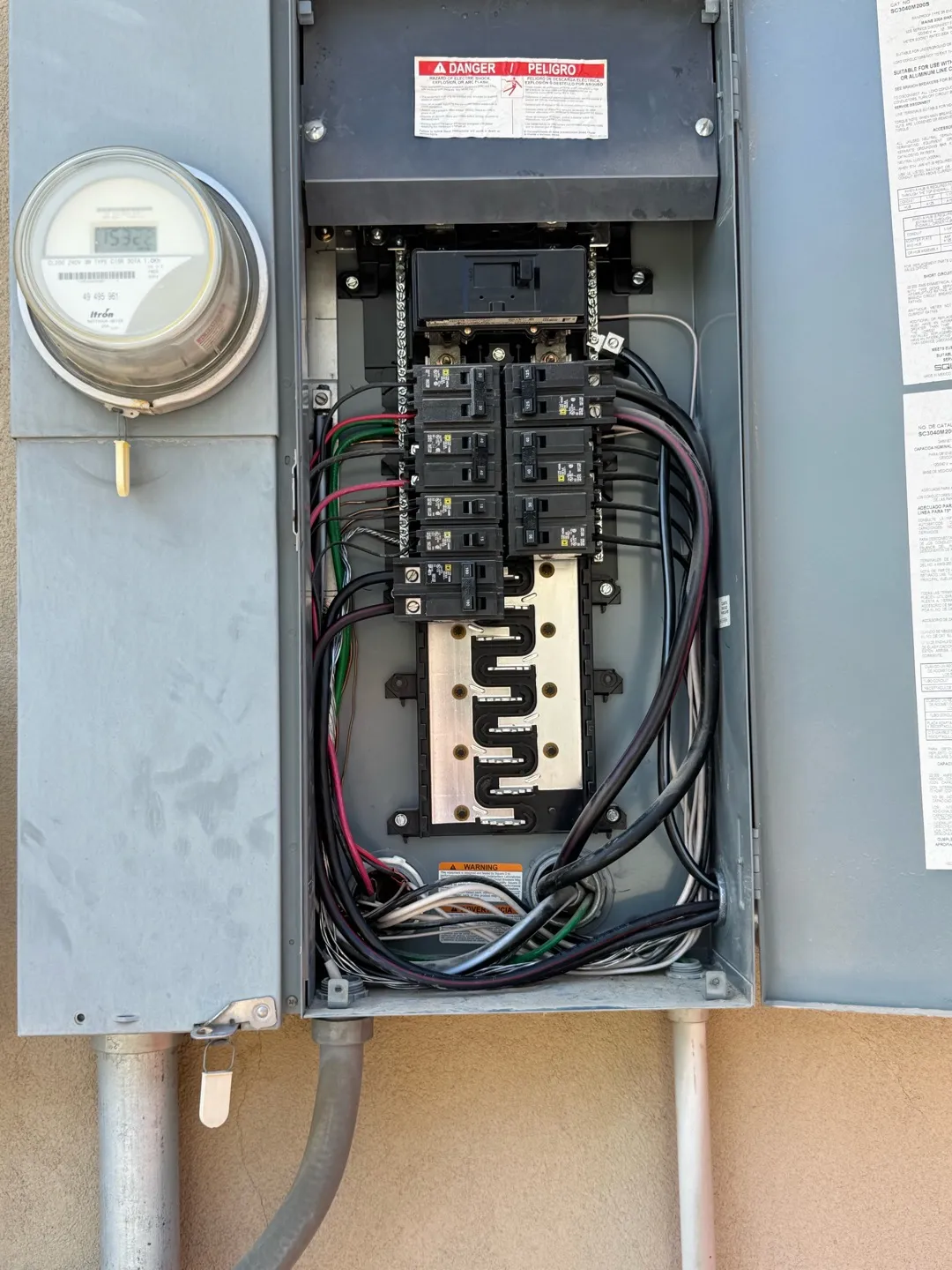
The main panel (or 'service panel,' 'load center,' 'breaker box') is the central electrical distribution point in your home — where utility power comes in, is metered, and is divided into the individual circuit breakers that protect each room and appliance.
Neutral Bar
The neutral bar is the metal bus inside your electrical panel where all the white (neutral) wires terminate — it must be bonded to ground only at the main service panel, never at a subpanel.
Subpanel
A subpanel is a smaller electrical distribution panel fed from your main panel — used to extend service to a garage, basement, addition, or detached shop without rerouting every circuit back to the main.
AFCI and GFCI Protection
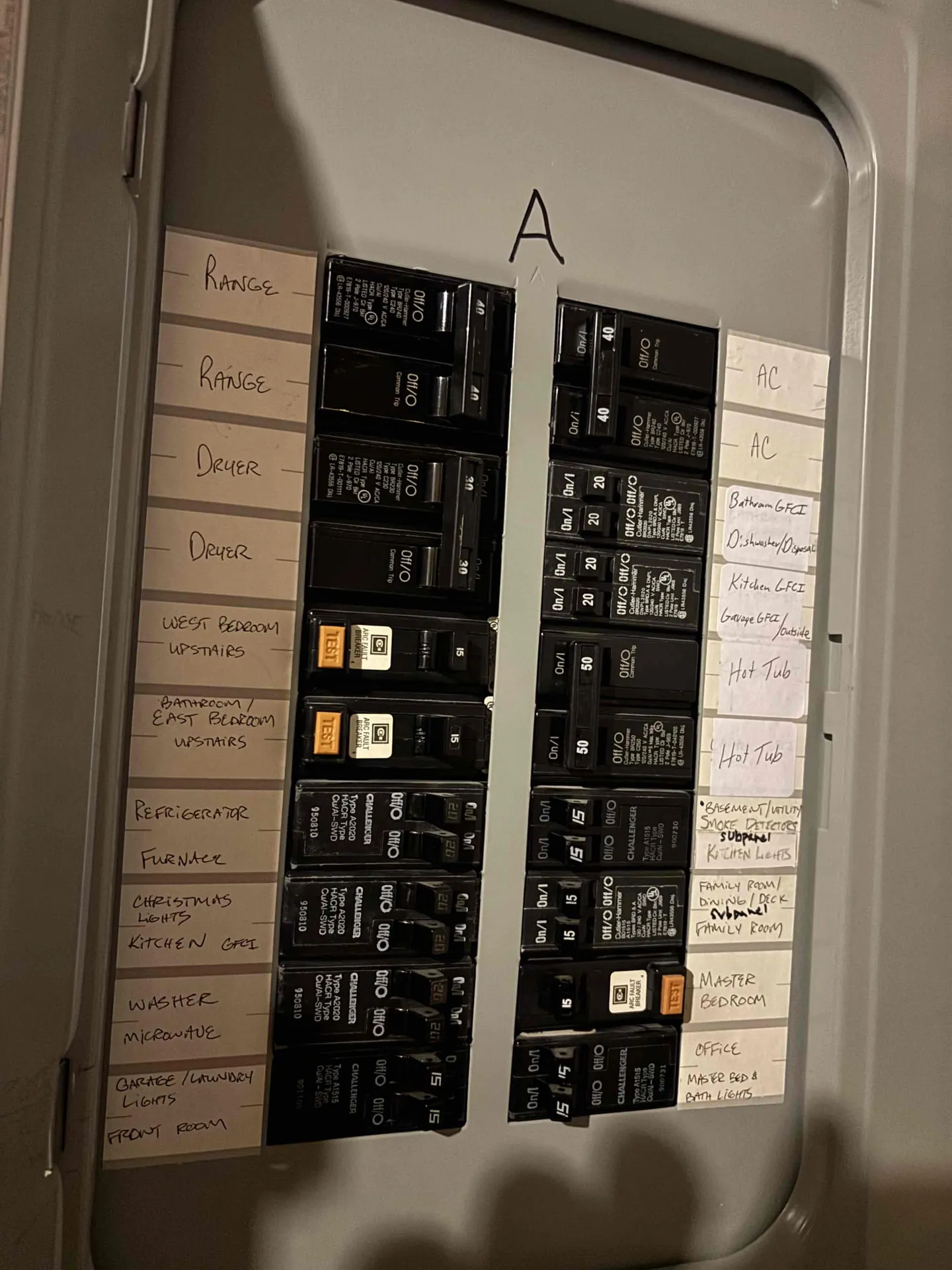
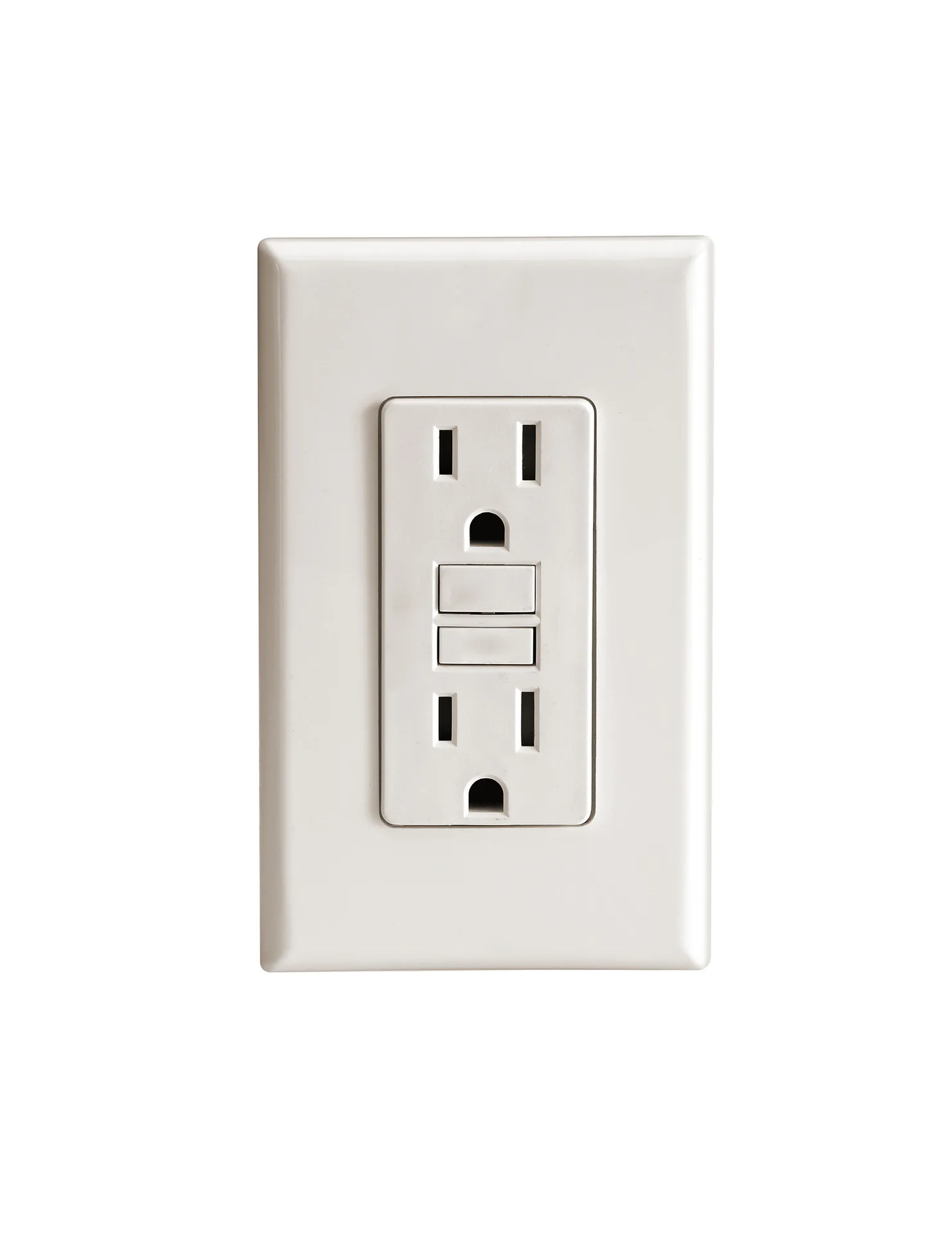
AFCI and GFCI are two types of advanced circuit breakers that protect against different electrical hazards — AFCI prevents fires from arcing wires, GFCI prevents shocks from ground faults.
Recent ELECTRICAL work in Utah
A few installs and service calls from the AYSP crew.


Have a question we didn't answer?
Talk to a licensed tech — no charge for phone questions.