What is Heat Pump?
Plain-English explanation from a licensed Utah HVAC, plumbing, and electrical contractor.
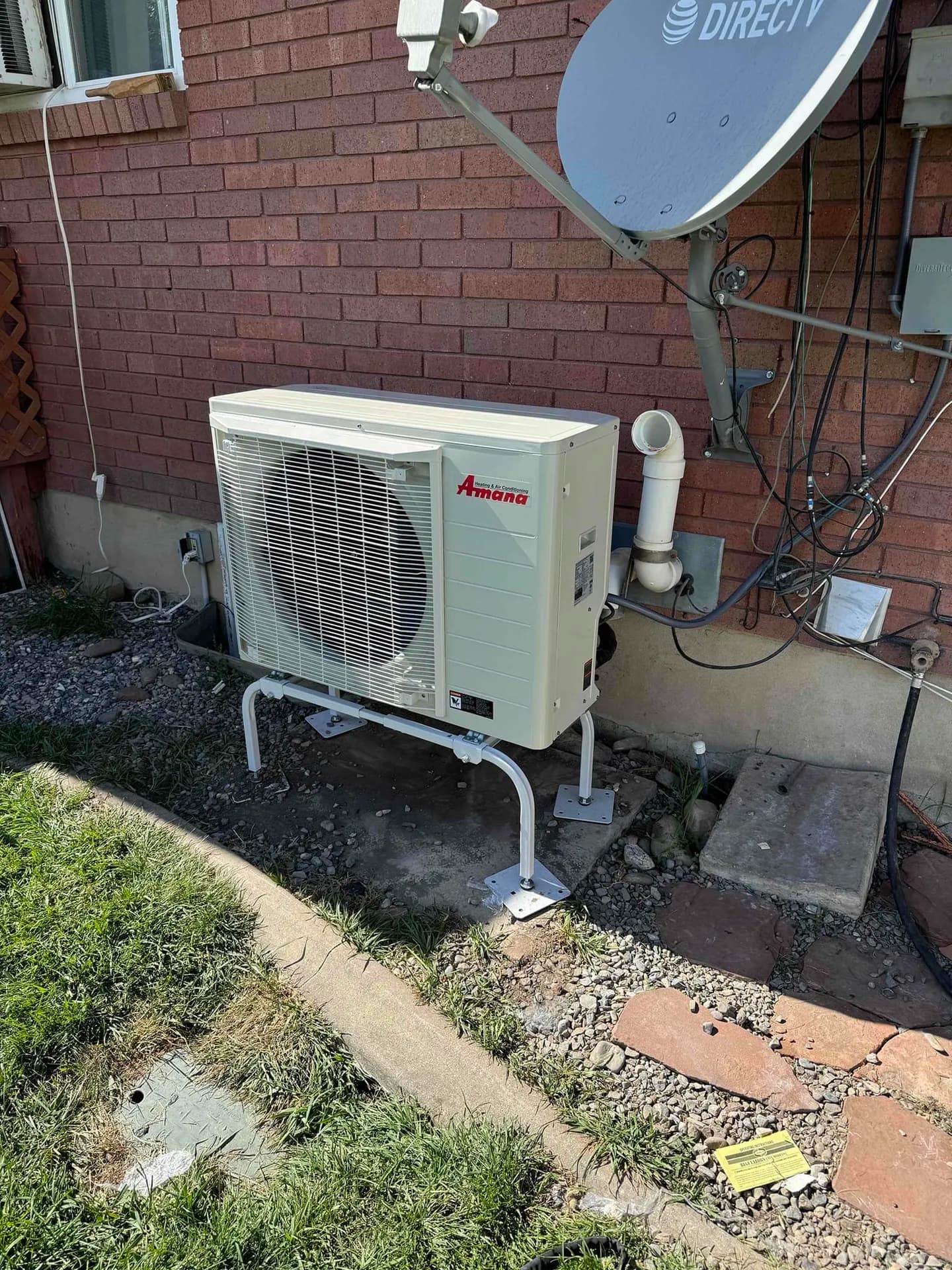
A heat pump is an electric HVAC system that moves heat instead of generating it — it cools your home in summer like an AC and heats it in winter by running the refrigerant cycle in reverse.
Full Definition
A heat pump uses the vapor-compression refrigerant cycle to transfer heat between indoor and outdoor air. In summer it absorbs heat from your home and rejects it outside (cooling). In winter a reversing valve switches the cycle direction so the outdoor coil absorbs heat from outdoor air — yes, even sub-freezing air contains usable heat — and the indoor coil releases it inside. Modern inverter-driven heat pumps maintain rated capacity down to 5°F and partial capacity to –15°F.
Heat pumps qualify for the federal 25C tax credit (up to $2,000) and Rocky Mountain Power rebates ($1,800+). They also eliminate the need for a separate AC condenser and gas furnace, freeing up garage or basement space.
Common Questions
Are heat pumps reliable in Utah?
Modern variable-speed cold-climate heat pumps are highly reliable in Utah's climate. The Wasatch Front sees only 10–15 days a year cold enough to need backup heat, and a dual-fuel setup handles those cleanly.
Do heat pumps work in older homes?
Yes, but the existing ductwork must be checked for static pressure and capacity. Some older homes need duct sealing or selective duct upsizing before a properly sized heat pump will perform well.
Related Terms
HSPF2
HSPF2 is the heating-efficiency rating of a heat pump — it measures how many BTUs of heat it delivers per watt-hour of electricity over a winter heating season.
SEER
SEER is the cooling-efficiency rating of an air conditioner or heat pump — the higher the SEER number, the less electricity it uses per ton of cooling delivered over a typical Utah summer.
Refrigerant
Refrigerant is the working fluid inside an AC or heat pump — it absorbs heat indoors and releases it outdoors as it cycles between liquid and gas states.
Recent HVAC work in Utah
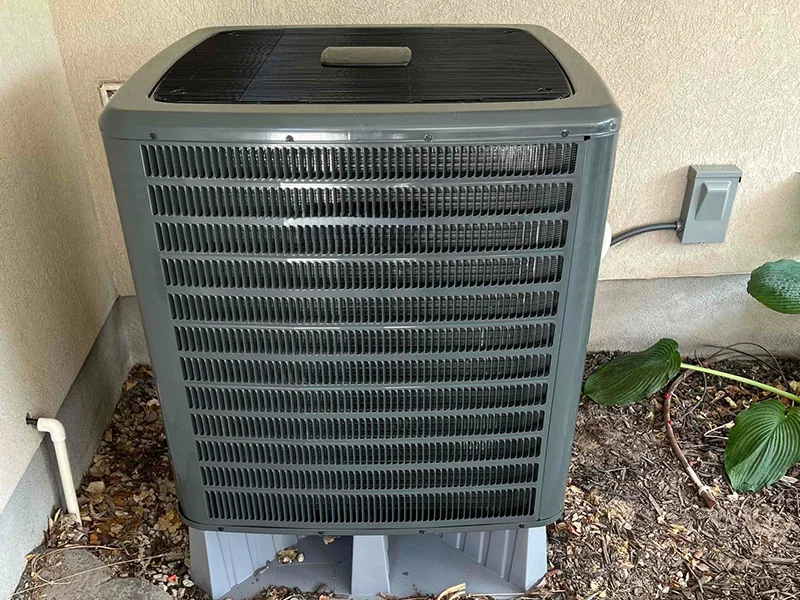
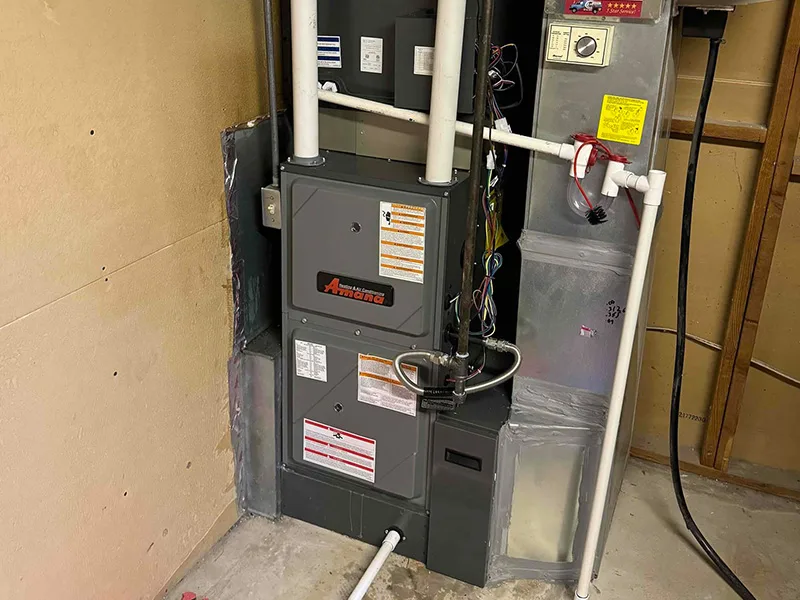
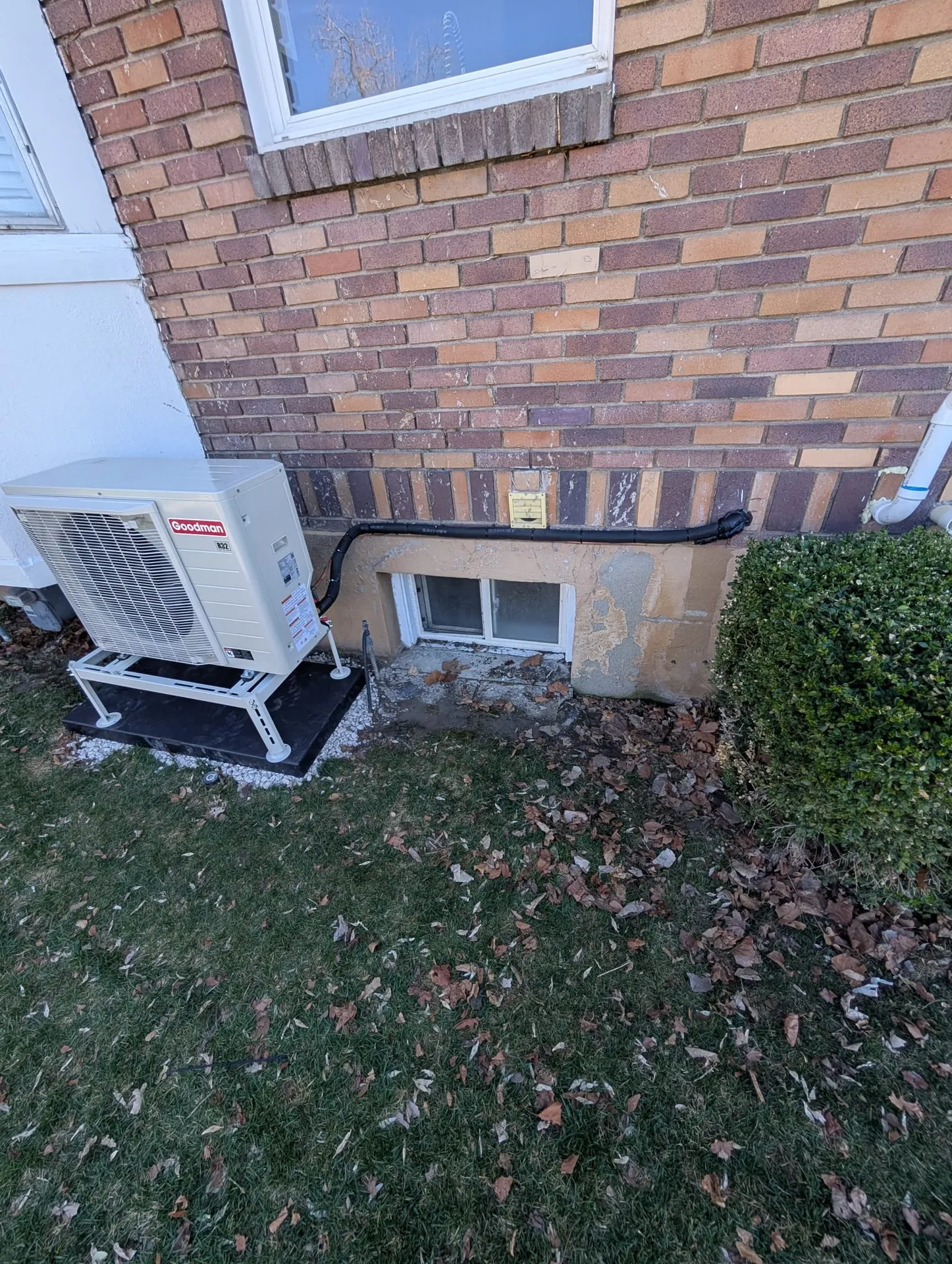
A few installs and service calls from the AYSP crew.
Have a question we didn't answer?
Talk to a licensed tech — no charge for phone questions.