What is HSPF2?
Plain-English explanation from a licensed Utah HVAC, plumbing, and electrical contractor.
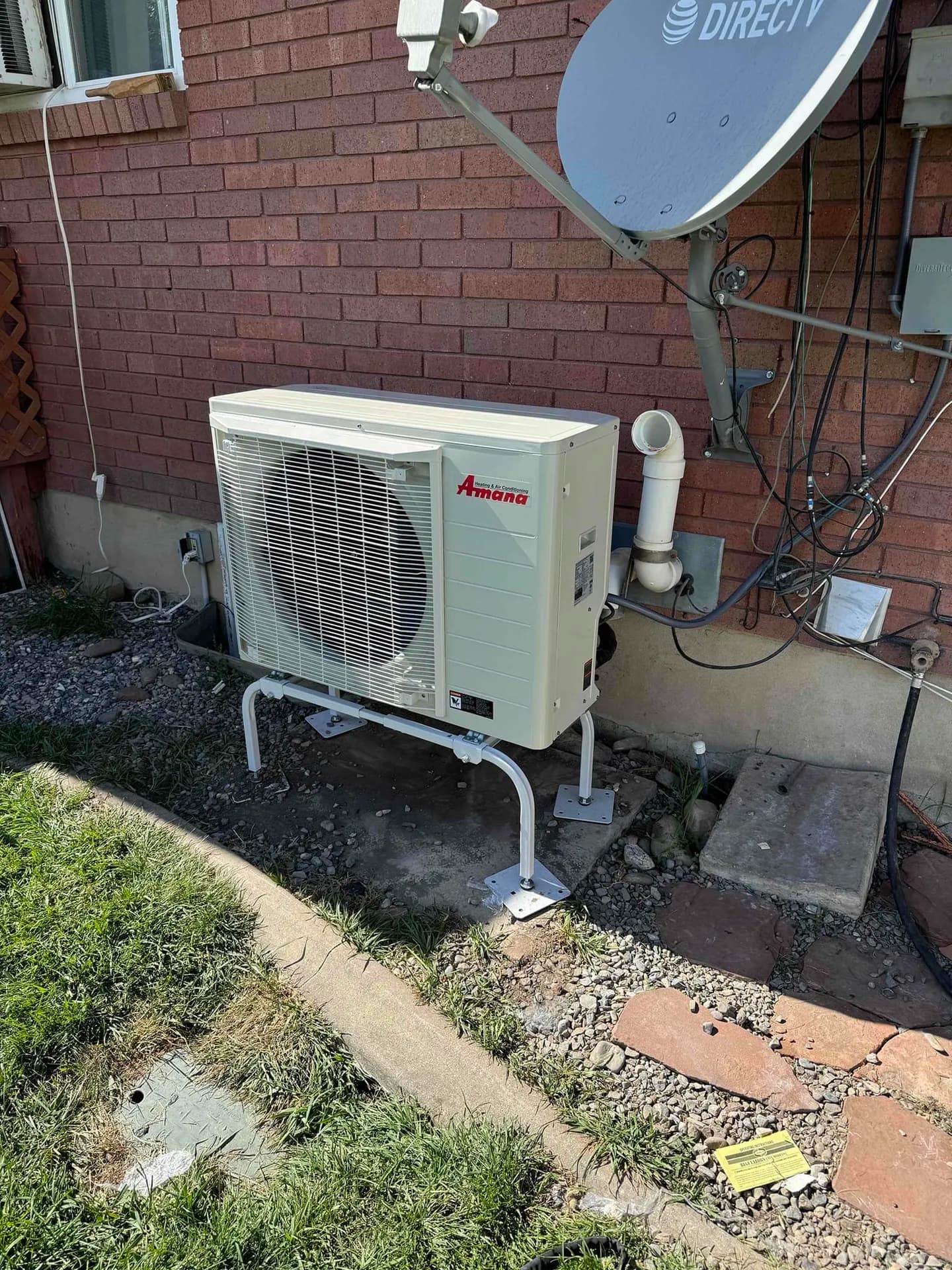
HSPF2 is the heating-efficiency rating of a heat pump — it measures how many BTUs of heat it delivers per watt-hour of electricity over a winter heating season.
Full Definition
HSPF2 (Heating Seasonal Performance Factor, version 2 test standard adopted in 2023) is the heating equivalent of SEER for heat pumps. It expresses total seasonal heating output in BTUs divided by total electric energy consumed in watt-hours. Federal minimum for new split-system heat pumps in Utah's northern zone is HSPF2 7.5. Cold-climate heat pumps rated for sustained operation below 5°F typically score HSPF2 8.5–10.
At Utah's electricity price (~$0.10/kWh) and natural gas price (~$0.85/therm), an HSPF2 9.0 cold-climate heat pump costs roughly the same per BTU of heat as a 96% AFUE gas furnace down to about 25°F. Below that, the gas furnace usually wins — which is why dual-fuel systems are common on the Wasatch Front.
Common Questions
Can a heat pump heat a home in Utah winters?
Yes — modern cold-climate (CCHP) inverter heat pumps maintain 75–80% of their nameplate capacity down to 5°F. Most Utah homes pair a heat pump with a backup gas furnace (dual-fuel) for the coldest 10–15 days a year.
What's the difference between HSPF and HSPF2?
HSPF2 uses higher external static pressure in testing, so the same equipment scores about 15% lower on HSPF2 than HSPF. An old 9.0 HSPF heat pump is roughly equivalent to a 7.65 HSPF2 unit under the new standard.
Related Terms
Heat Pump
A heat pump is an electric HVAC system that moves heat instead of generating it — it cools your home in summer like an AC and heats it in winter by running the refrigerant cycle in reverse.
SEER
SEER is the cooling-efficiency rating of an air conditioner or heat pump — the higher the SEER number, the less electricity it uses per ton of cooling delivered over a typical Utah summer.
Recent HVAC work in Utah
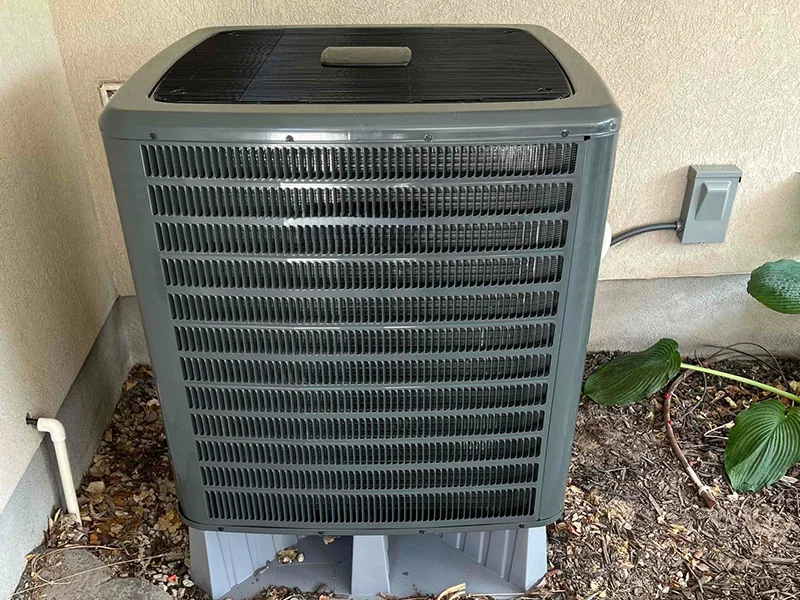
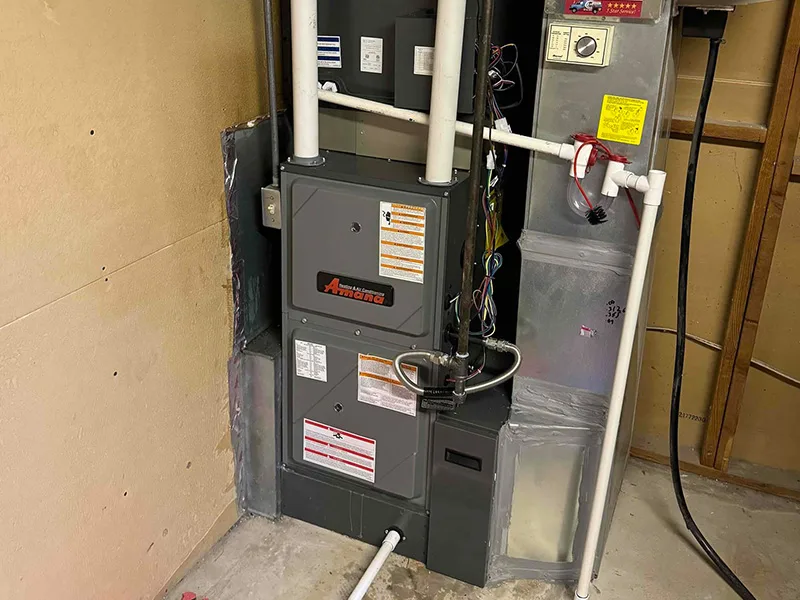
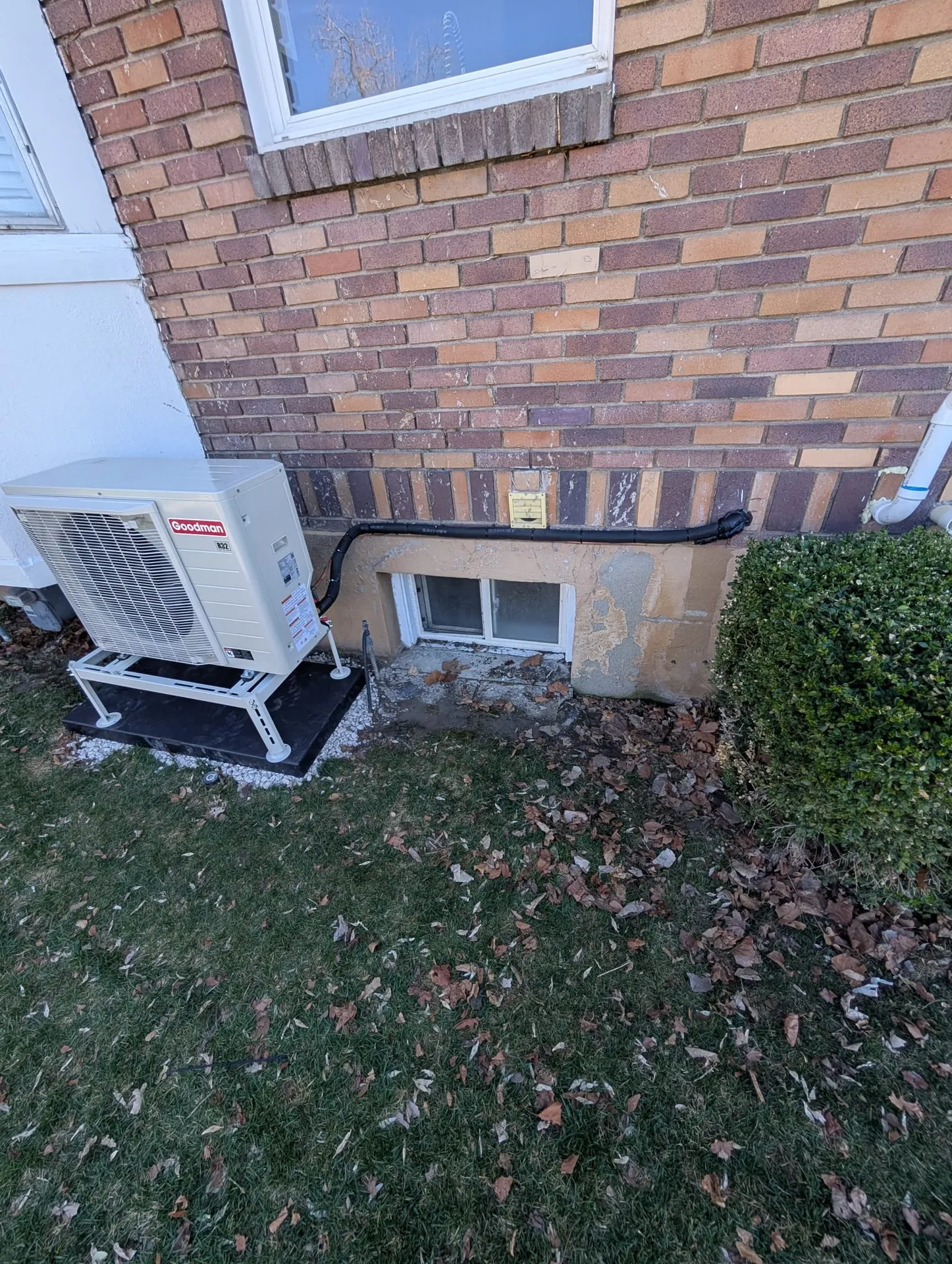
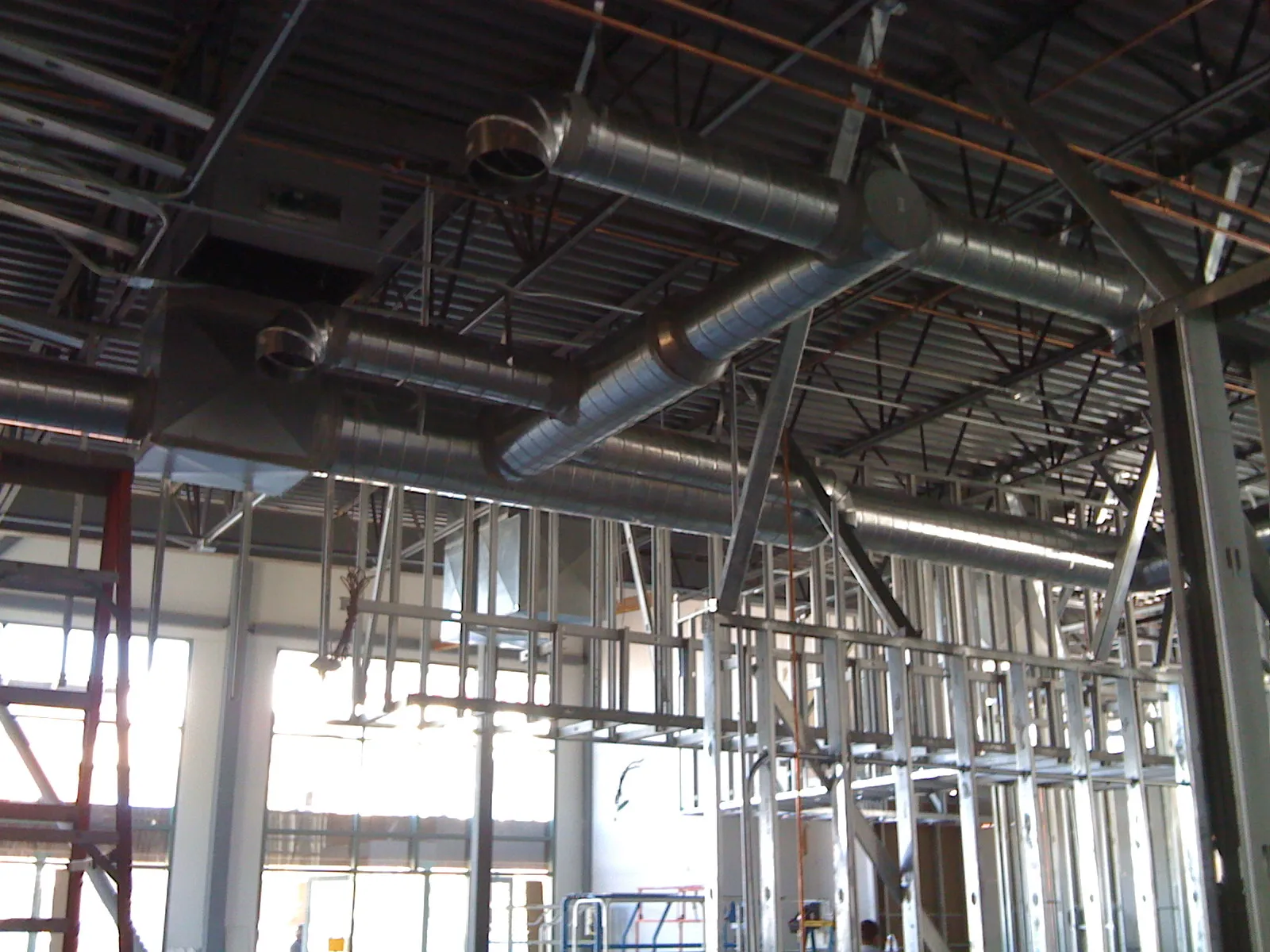
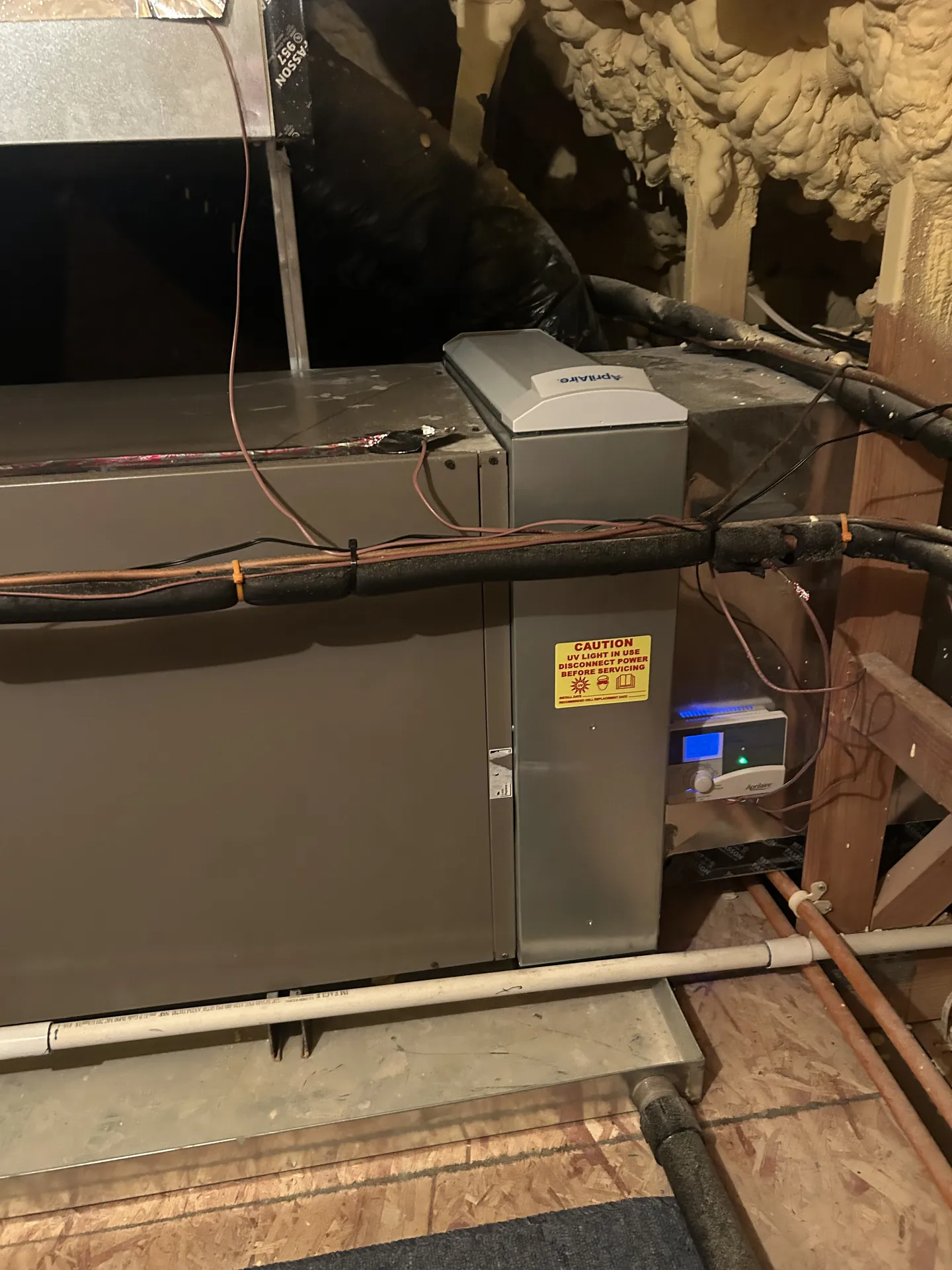
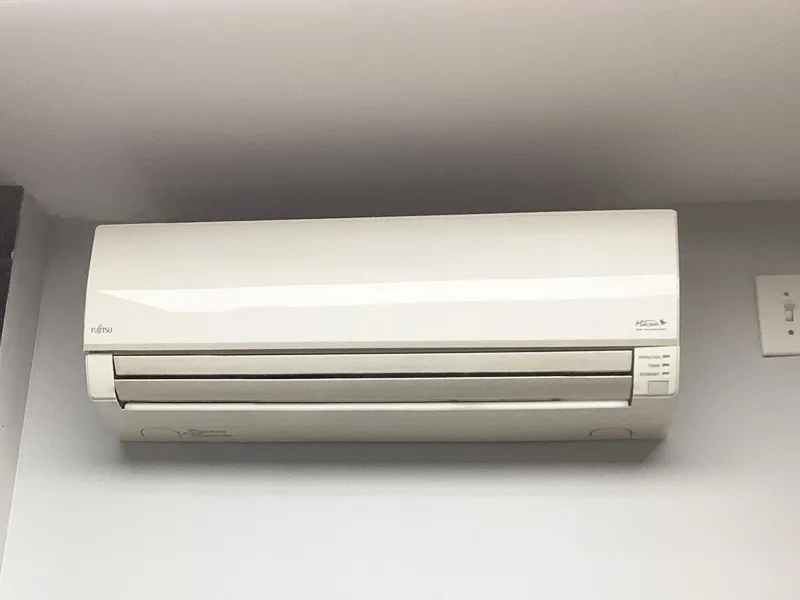
A few installs and service calls from the AYSP crew.
Have a question we didn't answer?
Talk to a licensed tech — no charge for phone questions.