What is SEER?
Plain-English explanation from a licensed Utah HVAC, plumbing, and electrical contractor.
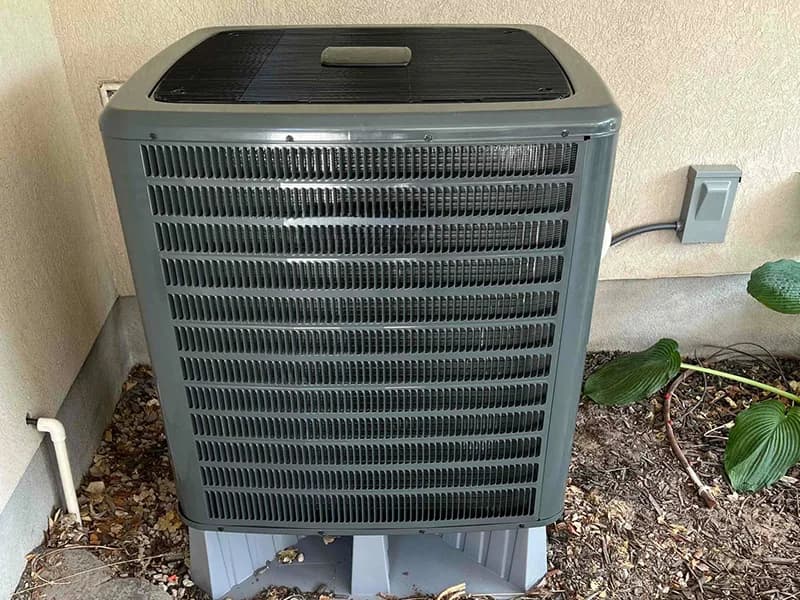
SEER is the cooling-efficiency rating of an air conditioner or heat pump — the higher the SEER number, the less electricity it uses per ton of cooling delivered over a typical Utah summer.
Full Definition
SEER stands for Seasonal Energy Efficiency Ratio. It measures the total cooling output (in BTUs) a system delivers across an entire cooling season divided by the total electric energy (in watt-hours) it consumes. As of 2023 the U.S. Department of Energy uses SEER2, a slightly stricter test method that runs at higher external static pressure to better reflect real-world ducted installations. New residential AC units sold in Utah must be at least SEER2 14.3 (equivalent to old SEER 15). Premium variable-speed systems reach SEER2 22–27.
A jump from SEER2 14 to SEER2 18 typically cuts summer electric bills 25–30% on a Wasatch Front home. Over a 15-year system life that's $2,000–$4,000 in savings depending on cooling load — often enough to make the premium worth it.
Common Questions
What's the difference between SEER and SEER2?
SEER2 is the post-2023 test standard that uses 0.5 inches water column external static pressure instead of 0.1, which better matches real installed ductwork. SEER2 numbers run roughly 4–5% lower than the equivalent SEER on the same equipment.
Is a higher SEER always worth it?
Not always. Above SEER2 ~18, payback time on the price premium can exceed 10 years for moderate cooling loads. Utah's dry, short cooling season makes mid-tier efficiency (SEER2 16–18) the typical sweet spot.
Related Terms
Heat Pump
A heat pump is an electric HVAC system that moves heat instead of generating it — it cools your home in summer like an AC and heats it in winter by running the refrigerant cycle in reverse.
Tonnage
Tonnage is the cooling-capacity measurement of an AC or heat pump — 1 ton equals 12,000 BTU/hr of heat removal, which is what one ton of melting ice would absorb in a 24-hour period.
Manual J Load Calculation
Manual J is the industry-standard whole-house heat-loss and heat-gain calculation that determines exactly how big your furnace and AC need to be — too big or too small both hurt comfort and efficiency.
AFUE
AFUE is the gas-furnace efficiency rating — it tells you what percentage of the fuel you pay for actually becomes usable heat in your home versus what escapes up the flue.
HSPF2
HSPF2 is the heating-efficiency rating of a heat pump — it measures how many BTUs of heat it delivers per watt-hour of electricity over a winter heating season.
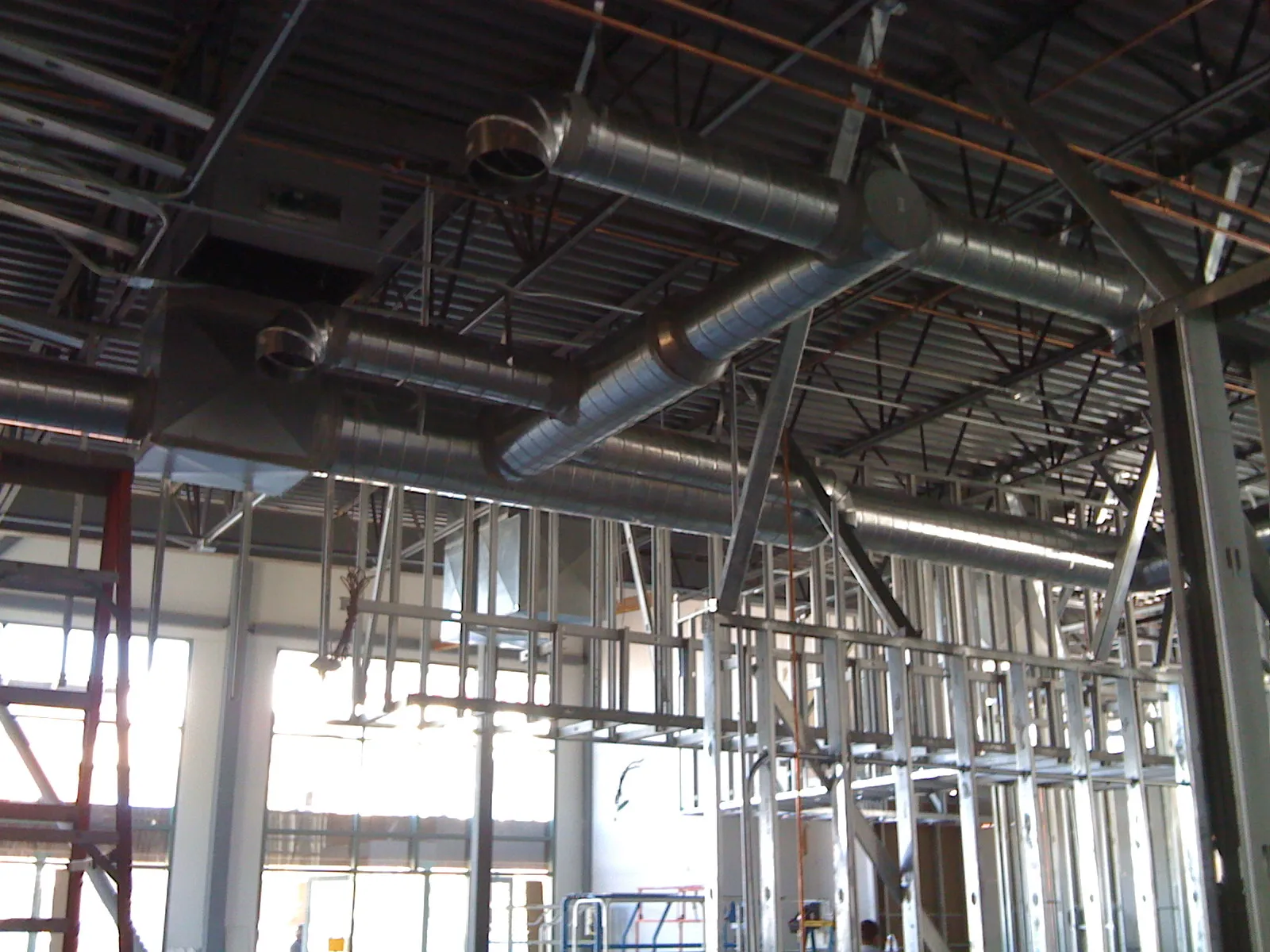
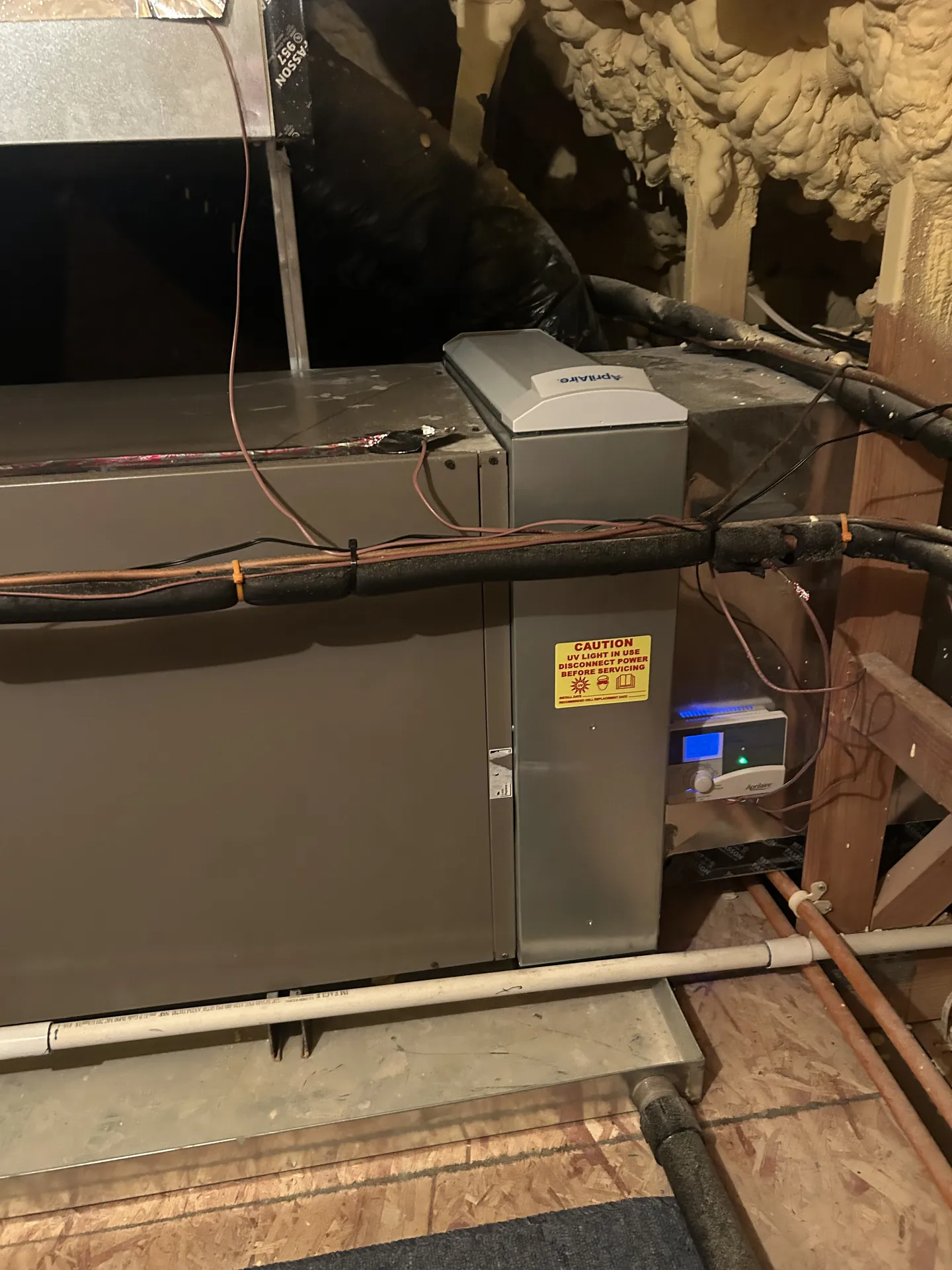
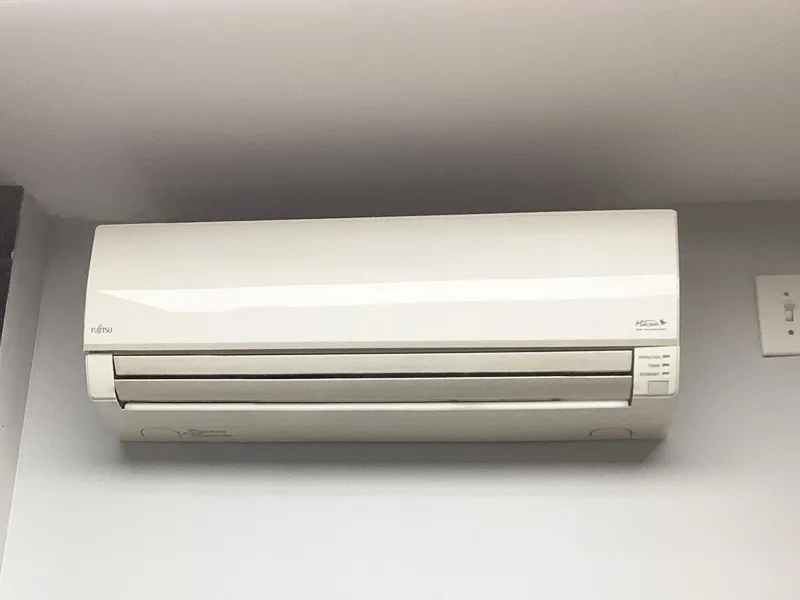
Recent HVAC work in Utah
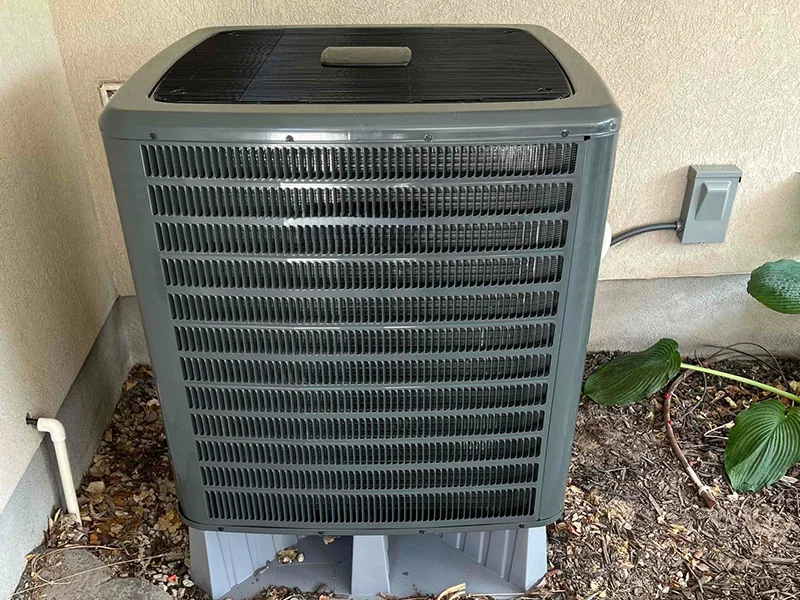
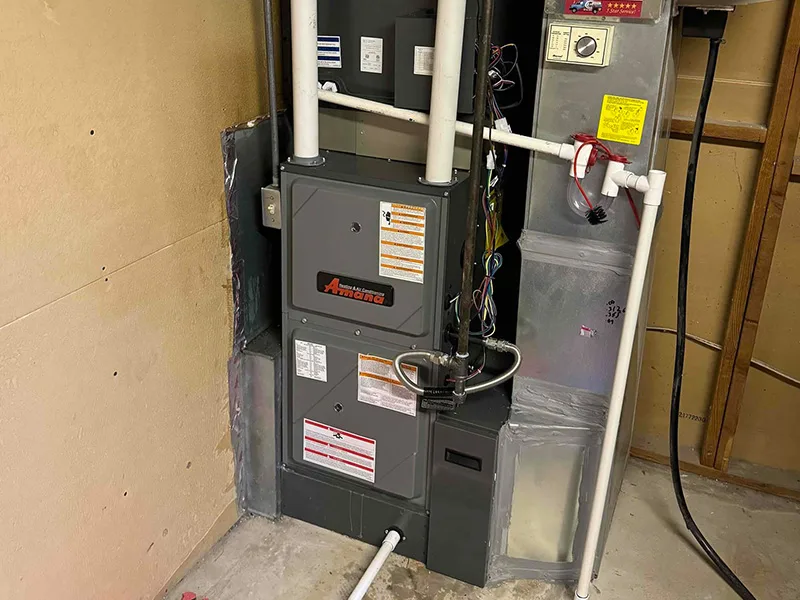
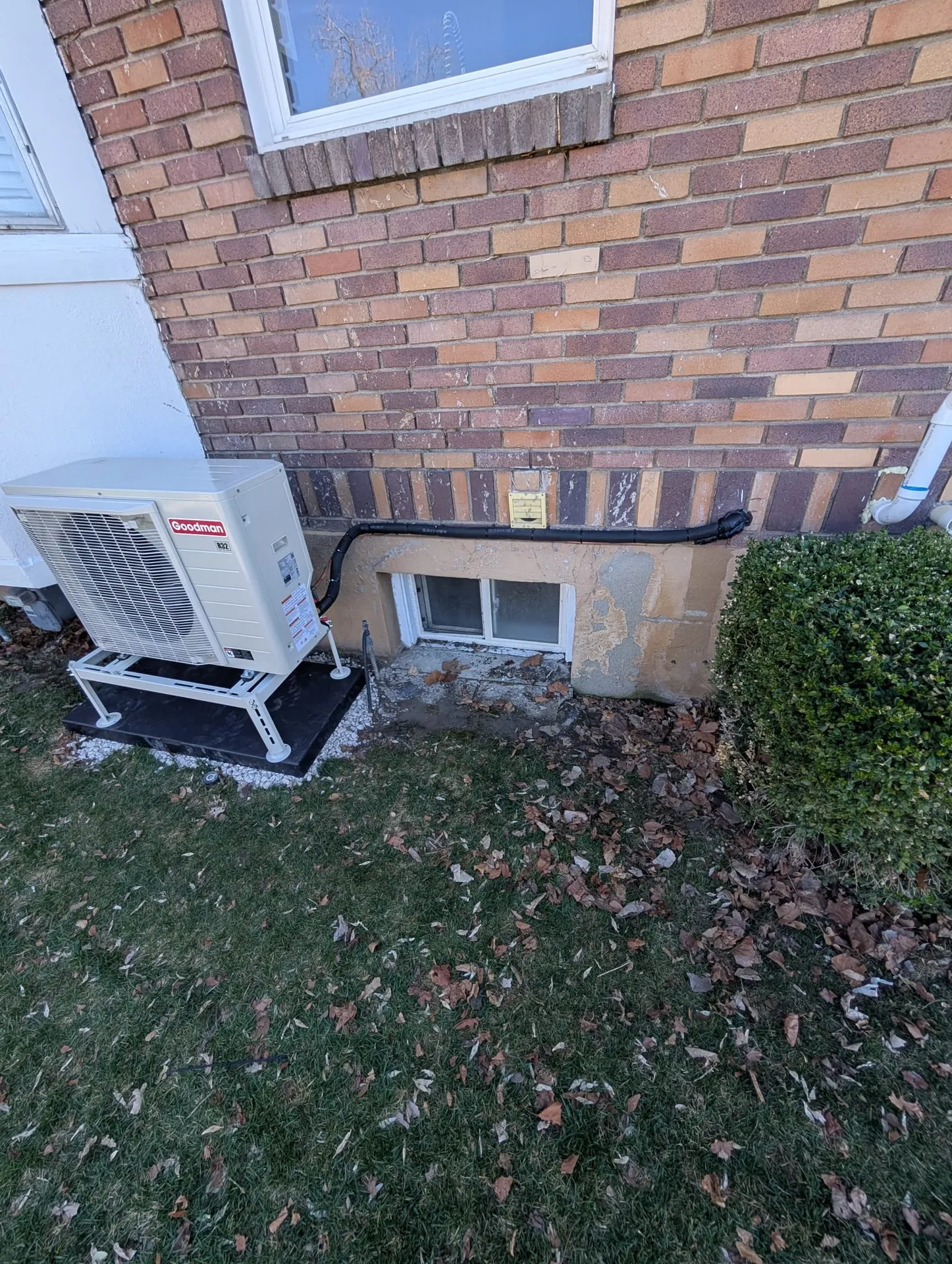
A few installs and service calls from the AYSP crew.
Have a question we didn't answer?
Talk to a licensed tech — no charge for phone questions.