What is Water Hardness?
Plain-English explanation from a licensed Utah HVAC, plumbing, and electrical contractor.
Water hardness is the amount of dissolved calcium and magnesium in your water, measured in grains per gallon (gpg) — most Utah cities deliver 12–28 gpg, well into the 'very hard' range.
Full Definition
Water hardness measures the concentration of multivalent cations — primarily calcium (Ca²⁺) and magnesium (Mg²⁺) — dissolved in water. The U.S. unit is grains per gallon (gpg); 1 gpg = 17.1 mg/L. The U.S. Geological Survey classifies water as: soft (0–3.5 gpg), moderately hard (3.5–7), hard (7–10.5), very hard (10.5+). Most of the Wasatch Front sits at 12–18 gpg, while Tooele and parts of Davis County run 22–28 gpg.
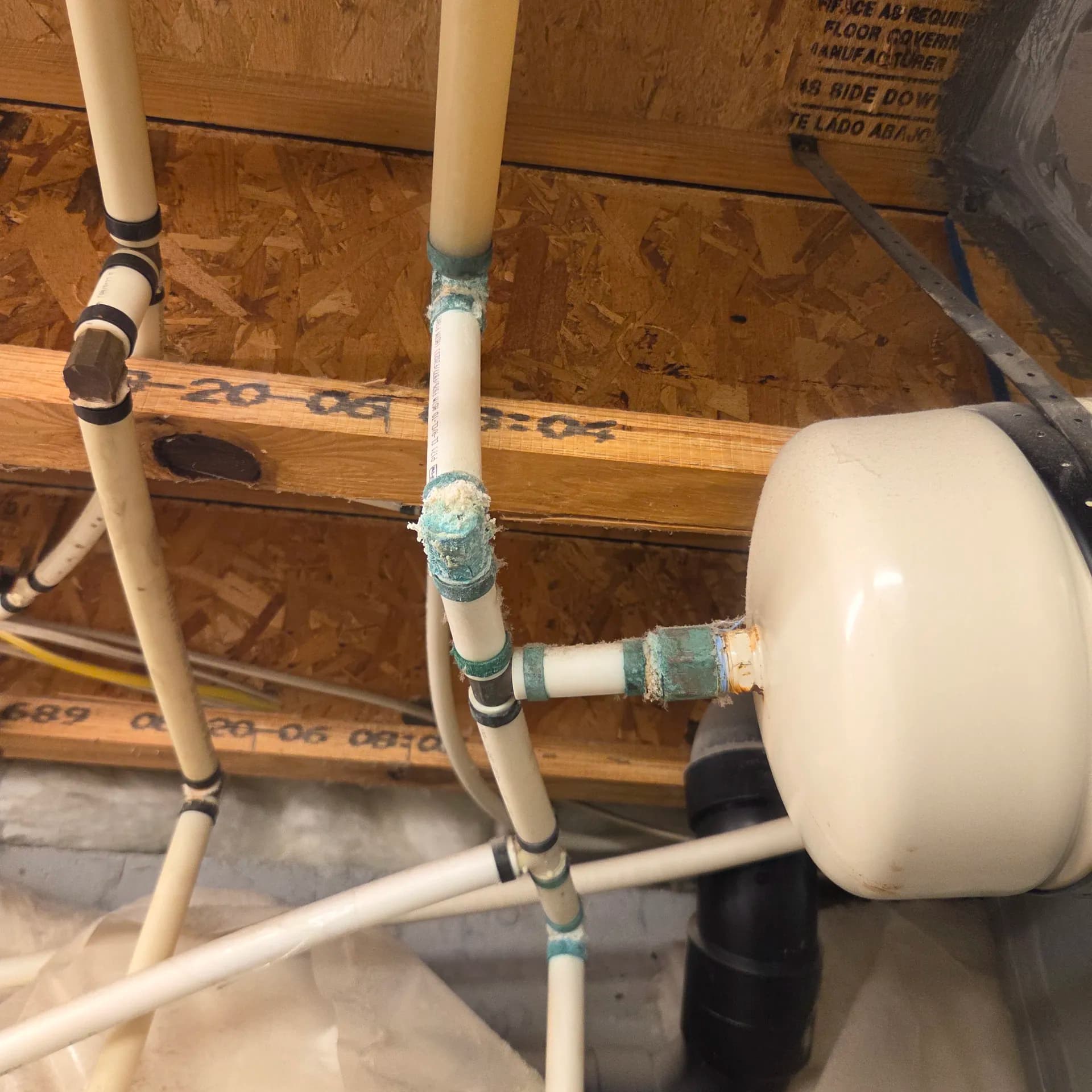
Very hard water leaves scale on faucets, water-heater elements, dishwashers, and shower glass. It can reduce water-heater lifespan by 30–40% and increase soap consumption. A whole-home softener is one of the highest-ROI plumbing investments in the Wasatch Front.
Common Questions
What is my city's water hardness?
Provo, Orem, and Lehi: 13–18 gpg. Sandy and South Jordan: 14–17 gpg. American Fork: 14–16 gpg. Tooele: 22–28 gpg. Utility water-quality reports list this each year.
Does a water softener waste water?
Modern demand-initiated regeneration softeners use 35–80 gallons per regen cycle, typically once or twice a week — far less than older time-clock units. Total annual usage is usually under 5,000 gallons (less than 2% of household total).
Related Terms
Water Softener
A water softener is a tank-based ion-exchange system that swaps calcium and magnesium in hard water for sodium, eliminating scale buildup throughout the plumbing.
Tankless Water Heater
A tankless water heater heats water on demand as you turn on a hot-water tap, instead of constantly keeping 40–80 gallons hot in a storage tank.
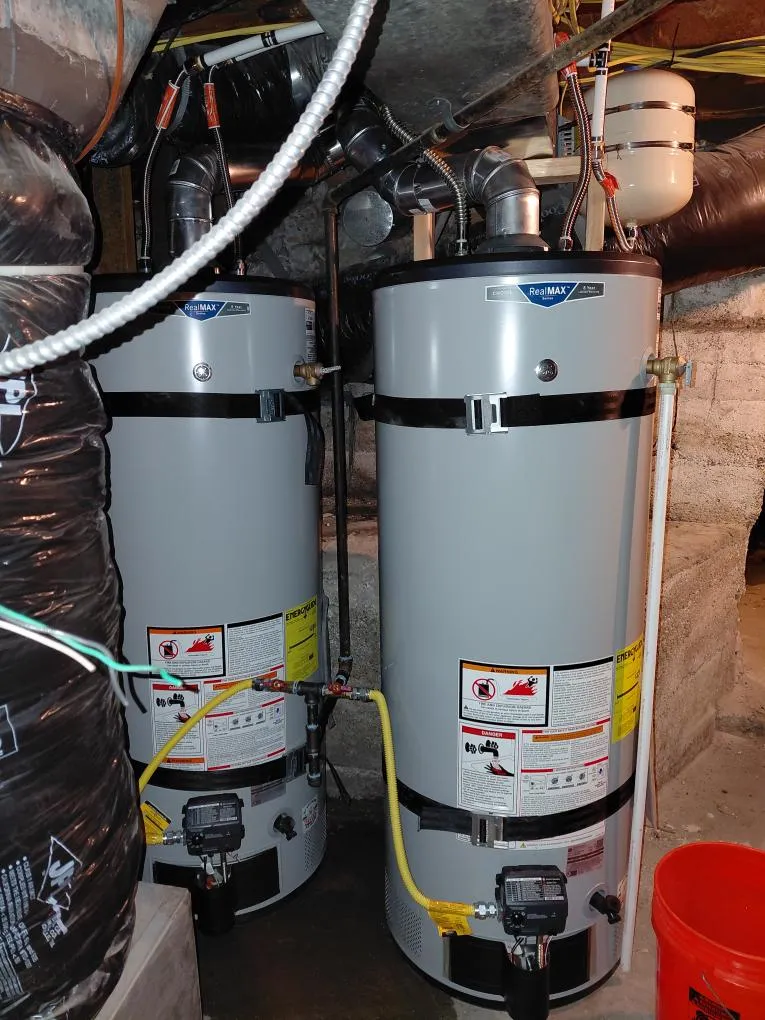
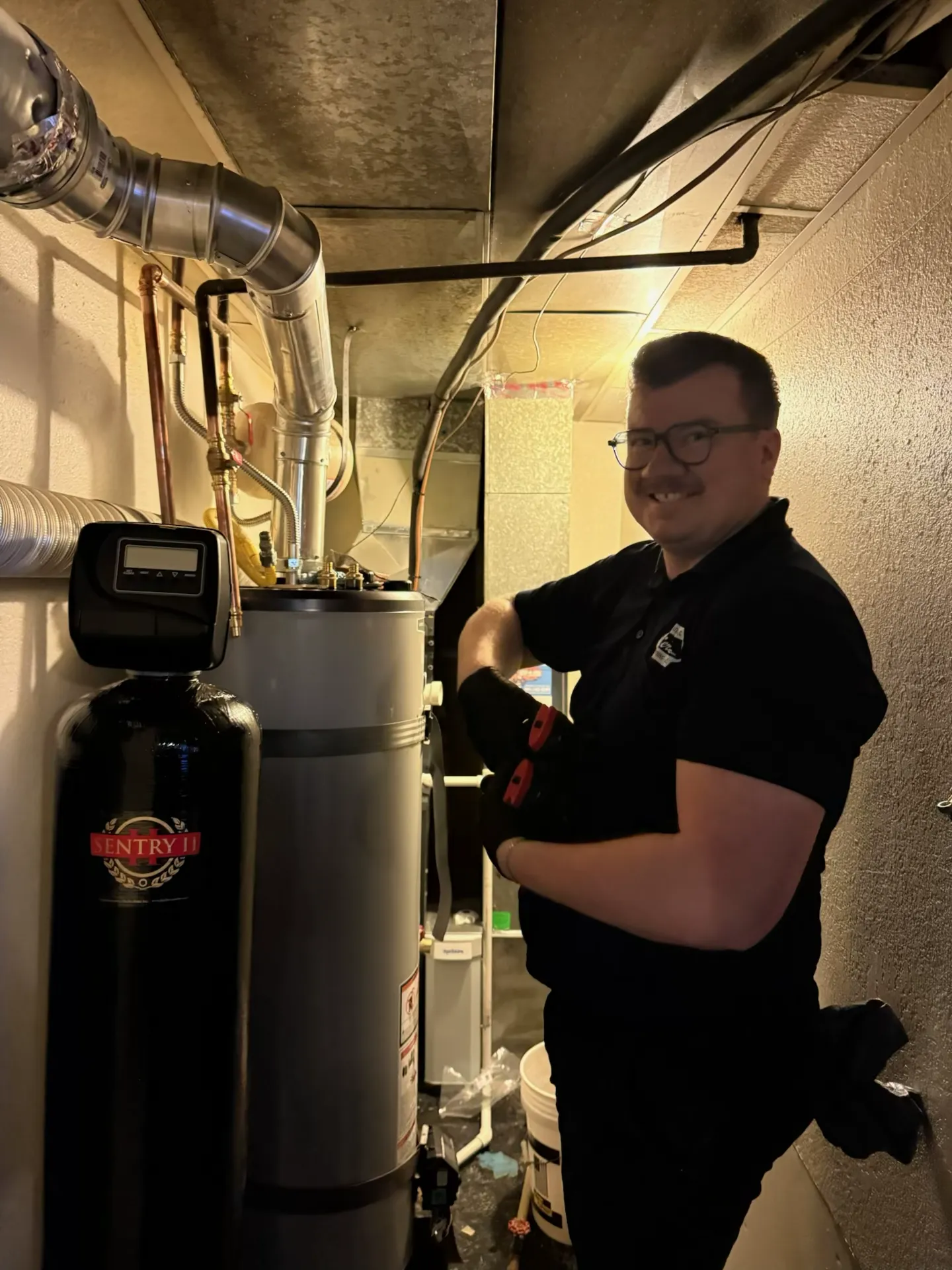
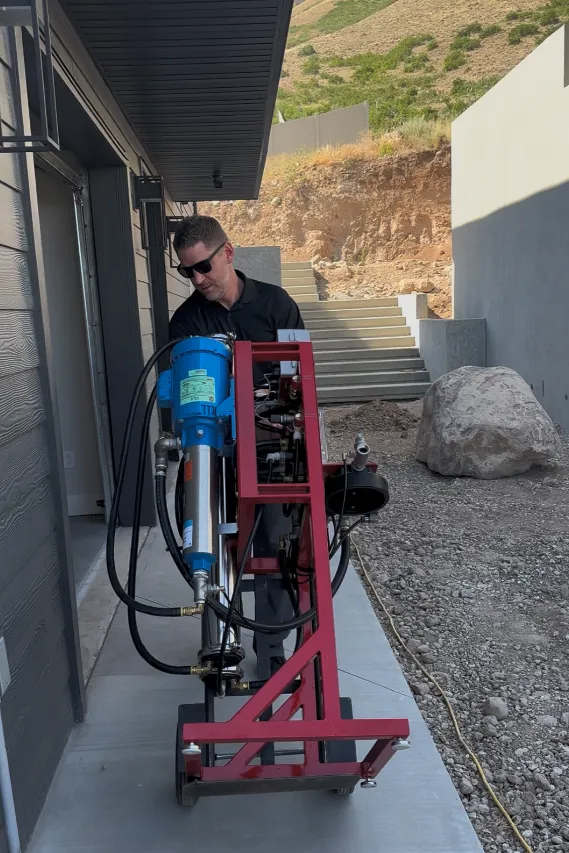
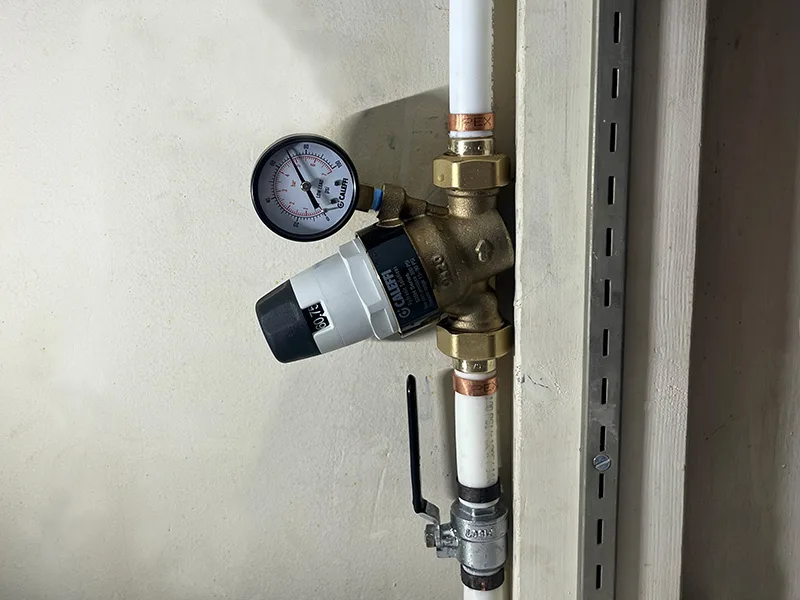
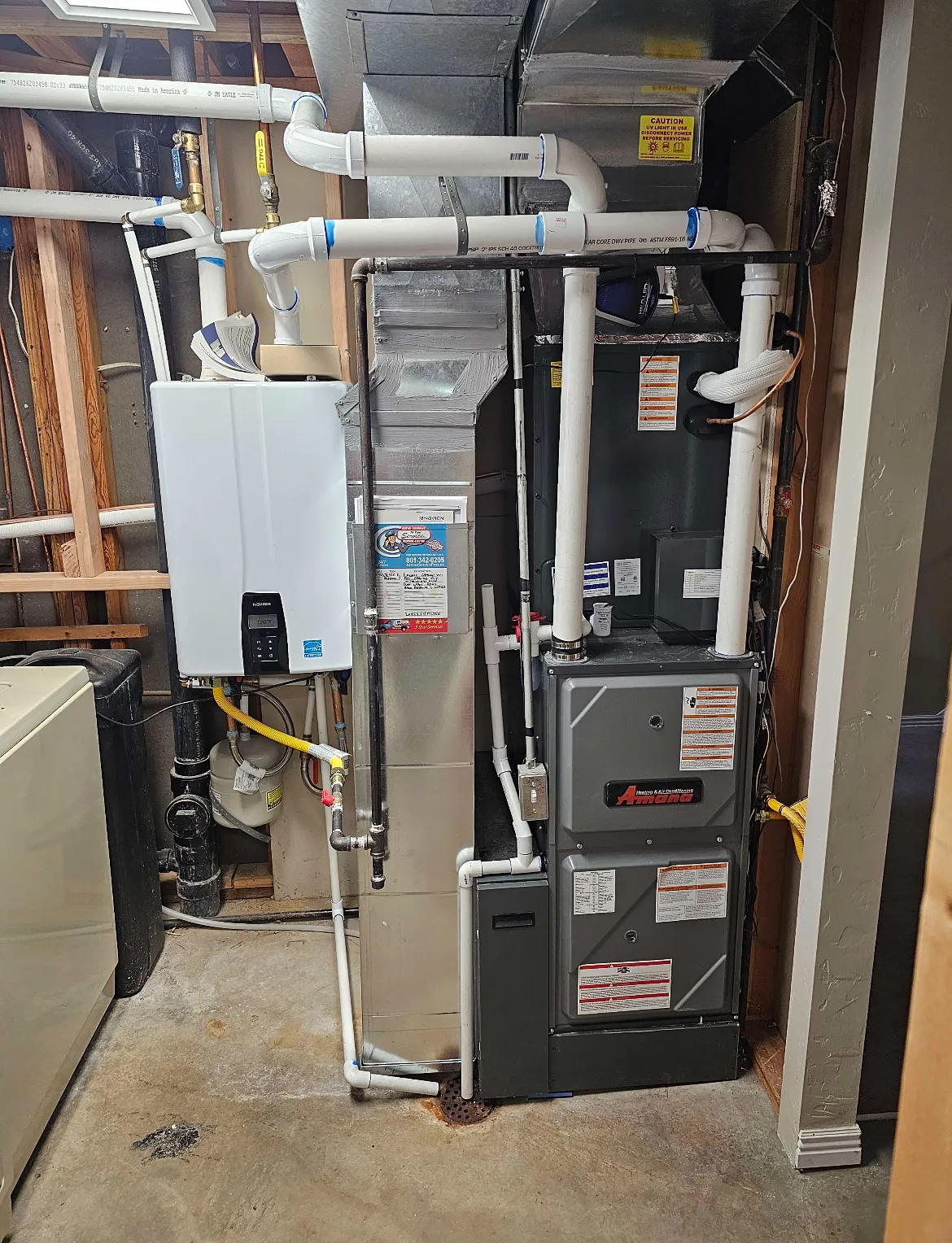
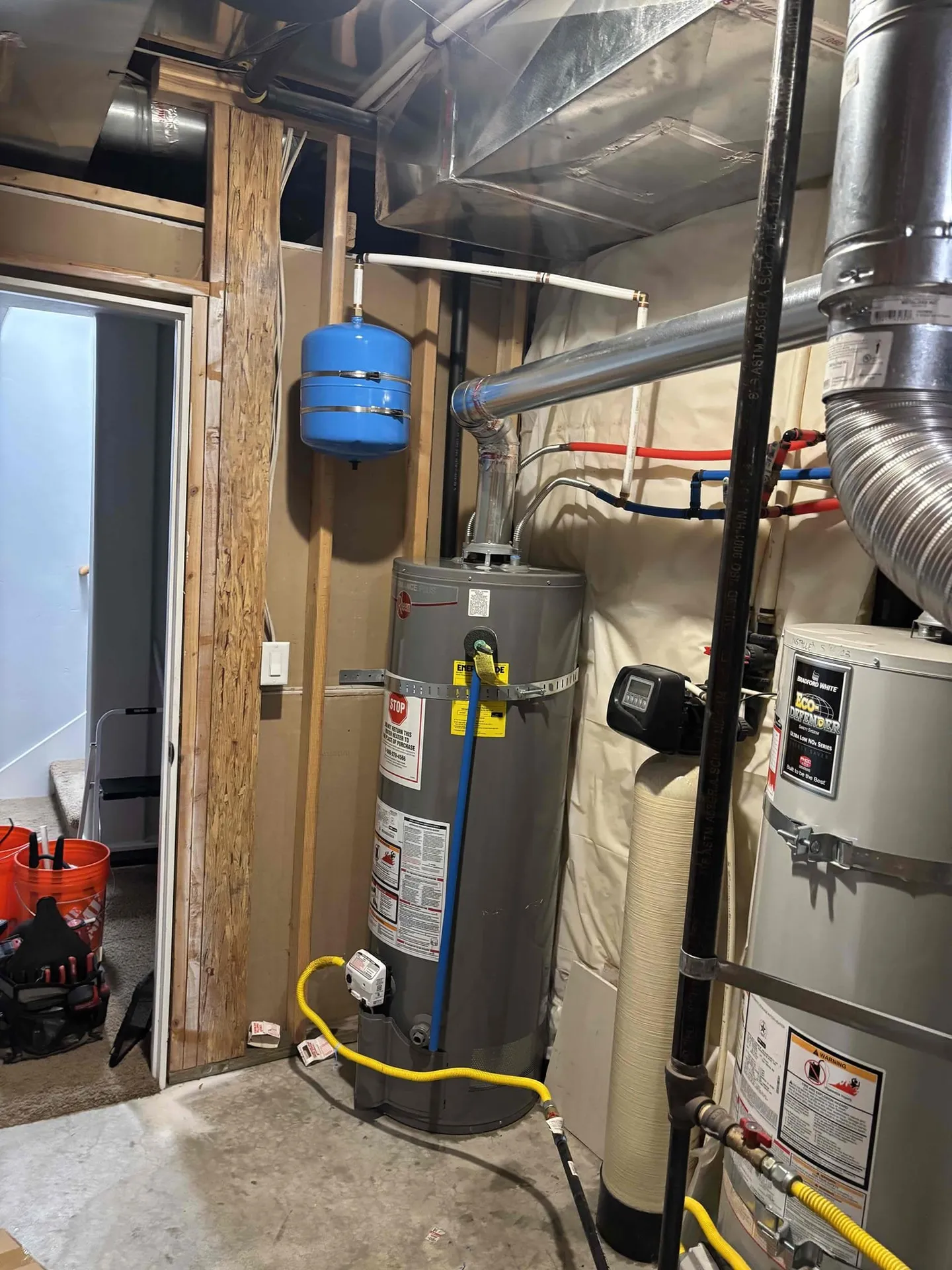
Recent PLUMBING work in Utah
A few installs and service calls from the AYSP crew.
Have a question we didn't answer?
Talk to a licensed tech — no charge for phone questions.