AC Leaking Water Inside the House? (Utah Diagnostic Guide)
Water around the furnace, a ceiling stain under the attic air handler, or a tripped safety switch: here's where AC water comes from, how to stop it today, and when the drain needs a pro.
Quick answer
Usually this is clogged condensate drain line, frozen coil thawing in a rush, or rusted or cracked drain pan, listed in the order we actually find them in Utah homes. 5-20 gal of water per day comes off a central AC coil in cooling season. When the drain clogs, all of it goes somewhere you don't want it. Run the safe checks below first; if the fix isn't one of them, a licensed tech can diagnose it on-site for a $79 dispatch and diagnostic fee, waived when you approve the repair.
Your AC doesn't make water by accident: pulling humidity out of the air is part of the job, and on a hot Utah day the evaporator coil sheds gallons of condensate that all leave through one small drain line. When that line clogs with algae and dust, or the coil ices up and then thaws in a rush, the water ends up in the drain pan, the furnace cabinet, or the ceiling. Here's how to tell which failure you have and stop the damage today.
Diagnostic
Most likely causes (in order)
Walk through the list top-to-bottom. The first cause matches roughly half of cases we see in Utah; if it doesn't fit your symptoms, move to the next.
Clogged condensate drain line
The number one cause. The drain is a small PVC line that grows algae and collects dust until it blocks. Water backs up into the pan and then overflows. If your system shut itself off, a float switch caught it in time.
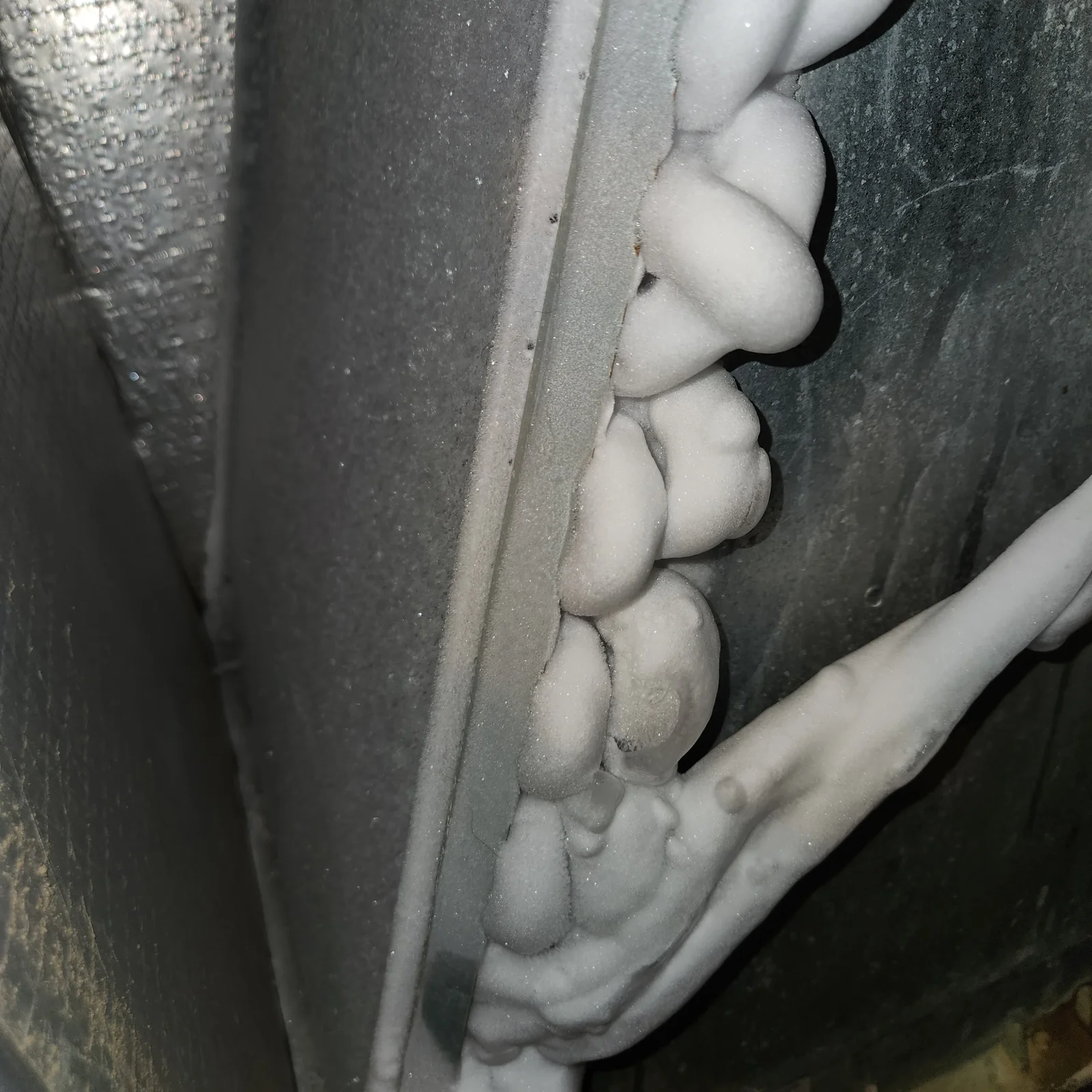
Frozen coil thawing in a rush
A clogged filter or low refrigerant freezes the indoor coil into a block of ice. When the system shuts off, all of that ice melts at once and overwhelms the pan. If you also had weak or warm airflow before the leak, suspect this one.
Rusted or cracked drain pan
Primary pans on systems 10+ years old rust through; plastic secondary pans crack. The drain is clear but water escapes before reaching it. Visible rust streaks under the coil are the tell.
Disconnected or badly sloped drain line
A drain that was bumped loose, or one installed with a rise in it, dumps or pools water instead of carrying it to the floor drain. Common after other work has been done around the furnace.
Failed condensate pump
Basement installs below the drain level use a small pump. When it dies or its float sticks, the reservoir overflows right where the pump sits. You'll usually hear the pump cycling when it's healthy.
DIY first
Safe checks you can do today
Each step is labeled by safety level. Stop at any “Pro only” step, that's where the diagnostic crosses into work that needs gauges, multimeters, or live electrical access.
Turn the cooling off at the thermostat
Safe DIYEvery minute the AC runs, it makes more water. Shutting cooling off stops the supply while you find the problem. Running just the FAN is fine and helps a frozen coil thaw.
Soak up standing water and protect the area
Safe DIYTowels around the furnace base, a bucket under an attic pan drip. Water sitting in the furnace cabinet finds circuit boards and gas valves, which turns a drain clog into a real repair.
Check the filter and look for ice on the coil
Safe DIYA gray, loaded filter plus ice on the copper lines means the freeze-thaw cause. Replace the filter, run fan-only for 4-6 hours, and see if the leak stops once the coil is dry.
Clear the drain line at its exit with a wet/dry vac
CautionFind where the white PVC drain exits near a floor drain or outside. Seal the shop-vac hose against it with a rag and pull for a minute or two. A satisfying slug of algae usually means you fixed it.
Stop here for pans, pumps, and repeat clogs
Pro onlyA rusted pan, a dead pump, or a drain that clogs again within weeks needs a proper fix: pan replacement, pump swap, or re-piping the drain with a cleanout. The diagnostic is $79, waived when you approve the repair.
Stop and call
When you should call us instead
- Water stain on a ceiling below an attic air handler: don't wait, water is pooling
- The coil keeps freezing after a filter change: refrigerant or airflow problem
- Drain pan shows rust-through or cracks
- The drain clogs again within a few weeks of clearing it
- Water reached the furnace cabinet, control board, or flooring
Not sure if it's a real problem?
Our AI walks you through the same triage a senior tech would, figures out whether you need a service call or whether it's something simpler you can handle yourself. Or skip ahead and book a diagnostic visit.
FAQ
Frequently asked questions
Can I keep running the AC if it's leaking a little?
+
It's risky. The water follows gravity into whatever sits below: furnace electronics, subfloor, or drywall. If a float switch hasn't already shut the system down, treat the leak as the warning it is, run fan-only, and get the drain cleared before cooling again.
Why does the drain line keep clogging?
+
Algae grows in any warm, wet, dark tube, and dust from the return air feeds it. Systems without a cleanout tee or with long flat drain runs clog fastest. The durable fix is re-piping with proper slope and a cleanout, then a tablet or vinegar flush at the start of each cooling season.
Is AC water dangerous or dirty?
+
Condensate itself is basically distilled water, but it picks up algae and whatever it flows through, and standing water breeds mold in a hurry. Treat soaked drywall, insulation, or carpet seriously; drying the area fast matters more than what's in the water.
Related
More diagnostic guides
Other common Utah-home symptoms with the same step-by-step diagnostic format.
Frozen AC Coil: What It Means and How to Fix It
Ice on the AC = airflow or refrigerant problem. Here's the fix.
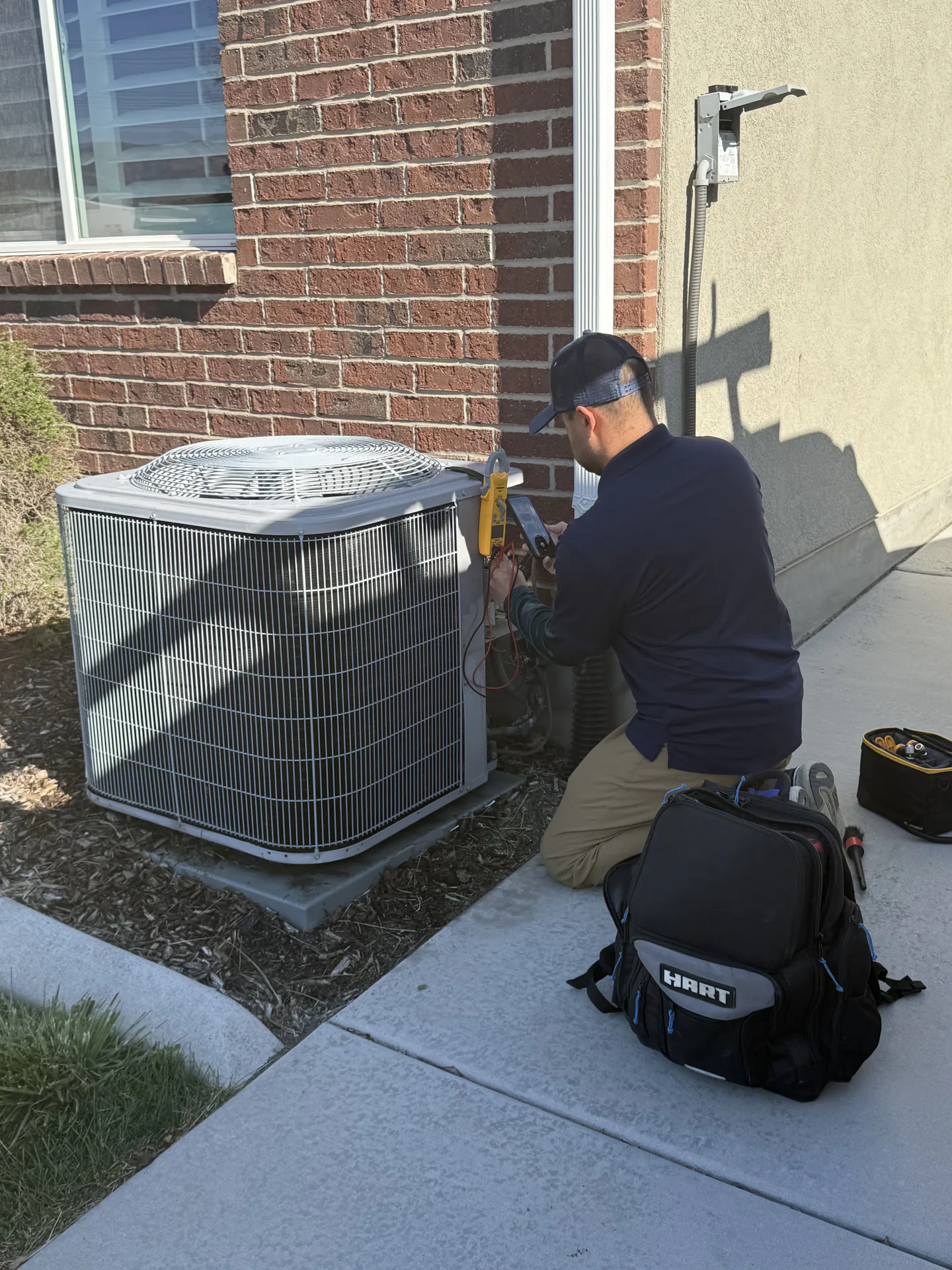
AC Won't Turn On At All? (Utah Diagnostic Guide)
System completely dead: the five checks that find it, and the parts that fail most.
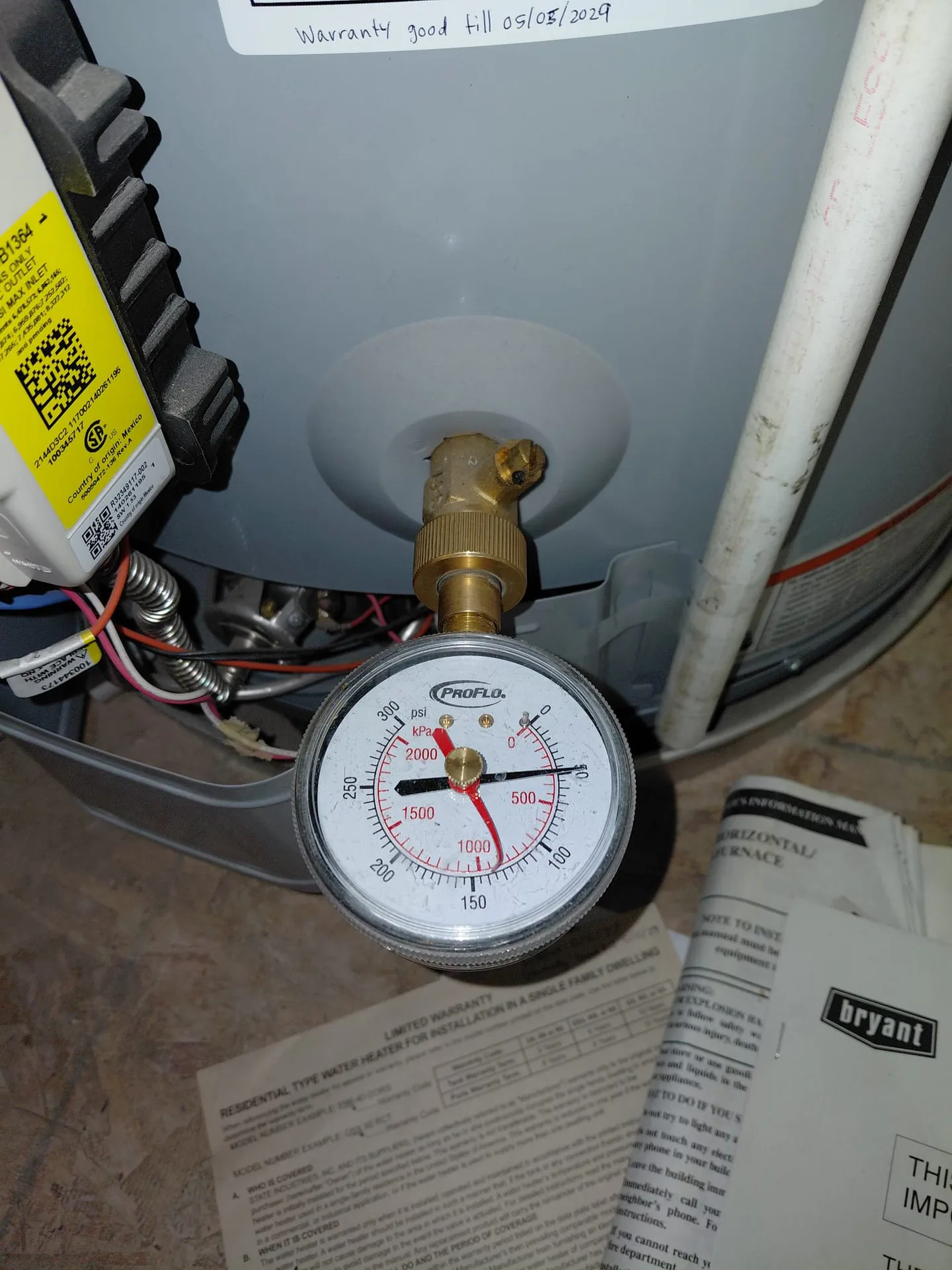
Water Heater Leaking? Where & Why It Matters
Tank leak vs. fixable leak, diagnostic + emergency triage.