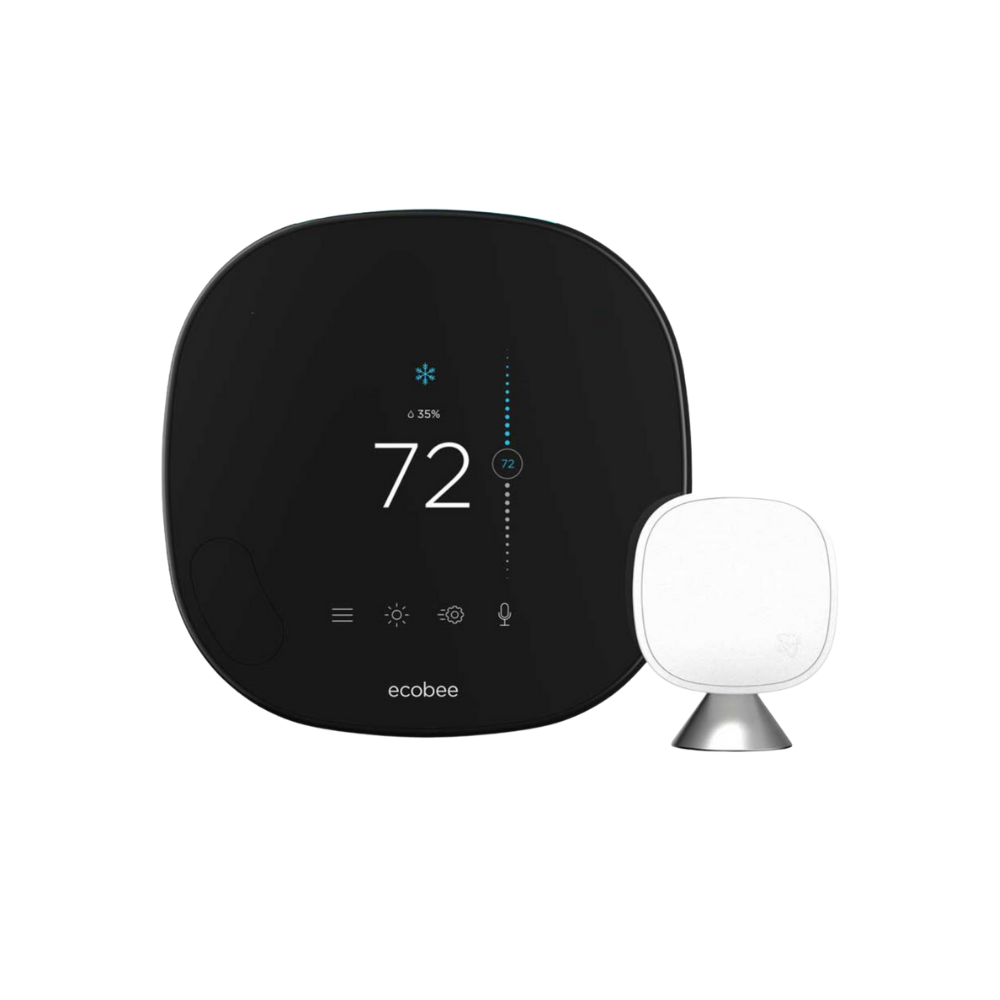
Thermostat Blank or Not Responding? (Utah Diagnostic Guide)
A blank or frozen thermostat usually isn't a broken thermostat. Here's the power chain behind that little screen, the checks that bring it back, and when the wiring needs a pro.
A thermostat is a small switch at the end of a 24-volt chain: furnace power, a transformer, a 3-amp fuse on the control board, safety switches, and finally the wire to the wall. A blank screen means the chain is broken somewhere, and replacing the thermostat is the right fix only about a quarter of the time. Walk the chain in this order and you'll usually find it.
Diagnostic
Most likely causes (in order)
Walk through the list top-to-bottom. The first cause matches roughly half of cases we see in Utah; if it doesn't fit your symptoms, move to the next.
Dead batteries (battery-powered models)
The obvious one, but worth stating: many stats run on AAs and give little warning. If yours takes batteries, this is check number one.
Tripped condensate float switch cutting the 24-volt circuit
Safety switches are wired to break thermostat power on purpose. A clogged AC drain trips the float switch, the screen goes blank, and homeowners replace thermostats that were never broken. In cooling season this is extremely common.
Blown 3-amp fuse on the furnace control board
A pinched thermostat wire, a shorted outdoor wire, or a miswired install pops the small automotive-style fuse on the board. Everything downstream, including the thermostat, goes dark.
Furnace power off (switch, door panel, or breaker)
The transformer that powers the thermostat lives in the furnace. If the furnace-side light-switch was flipped, the blower door isn't fully seated on its safety switch, or the breaker tripped, the thermostat dies with it.
Smart thermostat power or C-wire problems
Smart stats need constant power from a C-wire or an adapter. Marginal connections work for months, then drop out. Symptoms: random reboots, Wi-Fi dropouts, a battery warning in the app, then a blank screen.
DIY first
Safe checks you can do today
Each step is labeled by safety level. Stop at any “Pro only” step — that's where the diagnostic crosses into work that needs gauges, multimeters, or live electrical access.
Swap batteries or pull the stat off its base and reseat it
Safe DIYFresh batteries for battery models. For hardwired models, pulling the thermostat off the wall plate for 30 seconds and reseating it forces a reboot and re-seats the wire terminals.
Check the furnace switch, door, and breaker
Safe DIYFind the furnace. Make sure the switch beside it (looks like a light switch) is ON, the blower door panel is pushed fully closed, and the furnace breaker is on. Any of the three kills thermostat power.
Look for a tripped float switch on the AC drain
Safe DIYIn cooling season, check the drain pan and the small switch on the drain line. Standing water means the safety did its job: see our AC-leaking-water guide to clear the drain, and power returns when the water drops.
Reboot a smart thermostat from the app
Safe DIYFor Ecobee, Nest, and similar: check the app's device status, run a restart, and note any low-power or wiring alerts it reports. Those alerts name the failing wire more precisely than guesswork.
Stop here before opening the furnace board
Pro onlyTesting the transformer and replacing the 3-amp fuse means working inside the furnace cabinet with the power on at some points, and a fuse that blows again means a hidden short. The diagnostic is $39 to $79 by trade, waived when you approve the repair.
Stop and call
When you should call us instead
- The 3-amp fuse blows more than once: there's a short in the low-voltage wiring
- The screen is on but the system ignores every call for heat or cool
- A smart thermostat keeps rebooting or reporting low power: C-wire work needed
- No 24 volts at the thermostat wires with furnace power confirmed on
- You want a smart thermostat installed right, with the C-wire done properly
Not sure if it's a real problem?
Our AI walks you through the same triage a senior tech would — figures out whether you need a service call or whether it's something simpler you can handle yourself. Or skip ahead and book a diagnostic visit.
FAQ
Frequently asked questions
My thermostat went blank right after the AC was running. Coincidence?
+
Probably not. The most common summer pattern is a clogged condensate drain tripping the float switch, which cuts thermostat power on purpose to protect your home from an overflow. Clear the drain, let the pan empty, and the thermostat comes back. Our AC-leaking-water guide walks through it.
Will any smart thermostat work with my system?
+
Most single-stage and two-stage gas systems: yes, with a proper C-wire. Heat pumps, dual-fuel setups, and high-efficiency communicating systems need the right model and configuration. We install and configure them, and a mis-wired smart stat is one of the quiet causes of blown board fuses, so it's worth doing once, correctly.
Does a blank thermostat mean my furnace is broken too?
+
Not usually, but they share a power source. If the furnace runs a fan when you flip its switch and the thermostat is still dark, the fault is in the low-voltage side (fuse, wiring, or the stat itself). If the furnace is completely dead as well, look at the switch, door panel, and breaker first.
Related
More diagnostic guides
Other common Utah-home symptoms with the same step-by-step diagnostic format.
AC Won't Turn On At All? (Utah Diagnostic Guide)
System completely dead: the five checks that find it, and the parts that fail most.
AC Leaking Water Inside the House? (Utah Diagnostic Guide)
Where AC water comes from, how to stop it fast, and the drain fix that keeps it away.
Furnace Won't Ignite: 7 Most Common Utah Causes
Blower runs, burner won't light — top 7 causes in Utah furnaces.